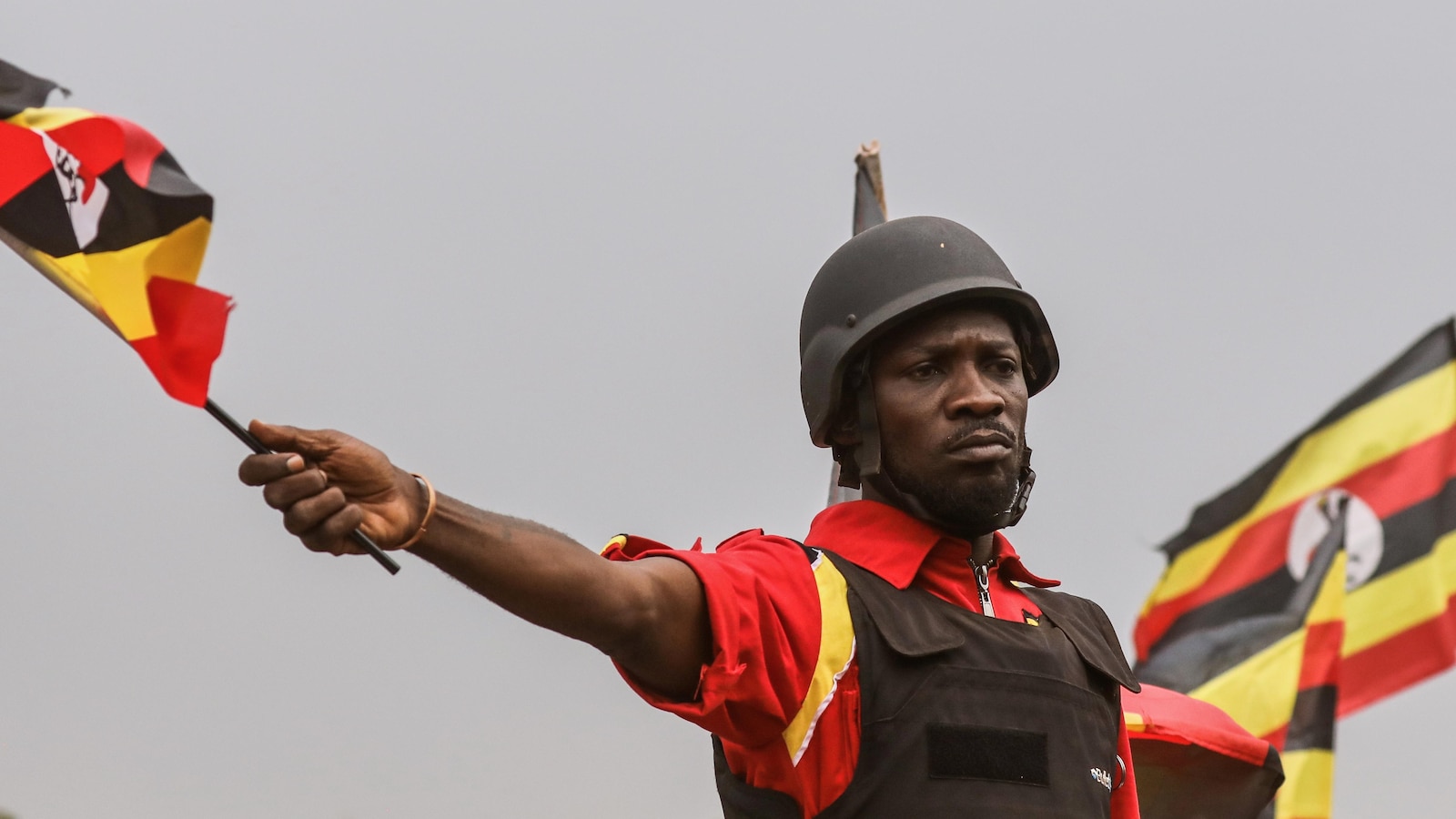
President Yoweri Museveni, in power since 1986, is seeking a seventh term in an election in a country of roughly 45 million people with 21.6 million registered voters, facing opposition from Bobi Wine and accusations of military interference led by Museveni’s son, Gen. Muhoozi Kainerugaba. In the two days before voting authorities ordered a nationwide internet and SIM-card sales shutdown and deployed troops in Kampala, actions that heighten political and operational risk, threaten transparency, and raise short-term investor concerns around sovereign stability, currency volatility and potential disruptions to local businesses and market access.
Market structure: The immediate winners are security providers and short-term safe-haven assets while telecoms and consumer-facing sectors in Uganda face direct revenue hits from the internet/SIM restrictions. Expect Ugandan sovereign USD bond spreads to widen vs. U.S. Treasuries by 150–400 bps if unrest persists beyond weeks; FX (UGX) should weaken 5–15% in a stress scenario as remittances and tourism flows slow. Regional bank and payments volumes will contract short-term, pressuring NIMs and increasing NPL risk if commerce is disrupted for >30 days.
Risk assessment: Tail scenarios include a sustained crackdown or targeted sanctions (EU/US), a coup attempt, or major oil/energy project delays (Tilenga/EACOP) — any would push yields materially wider and FDI down 20–40% over 12–24 months. Immediate (days) risks: liquidity flight and FX illiquidity; short-term (weeks–months): sovereign curve repricing/credit downgrades; long-term: structural governance risk that raises country risk premia persistently. Hidden dependencies: multinational contractors (oil, telecom infrastructure) can pause capex within 30–90 days, amplifying upstream supply chain effects.
Trade implications: Tactical risk-off moves are warranted: hedge EM beta and seek USD cash; selectively short Uganda-specific exposures and telecoms with large Uganda revenue share (via MTN / Airtel Africa). Use options to cap cost: buy 1–3 month puts on EEM/EMB and/or buy USD/UGX forwards; consider 6–12 month overweight to global defense primes if regional procurement ramps. Entry/exit should be signal-driven: exit hedges if political calm for 14 consecutive days and spreads tighten >100 bps from peak.
Contrarian angles: The market may overprice permanent dislocation — if Museveni consolidates control quickly (within 1–2 weeks) and counting proceeds without violence, a sharp snap-back is likely; sovereign spreads could retrace 50–70% of their widening. That creates a mean-reversion trade: accumulate selective Uganda risk on spread >300 bps vs. UST 10Y with tight stop-losses, and avoid structural long-term exposure if governance metrics don’t improve within 12 months.
AI-powered research, real-time alerts, and portfolio analytics for institutional investors.
Request DemoOverall Sentiment
moderately negative
Sentiment Score
-0.60
