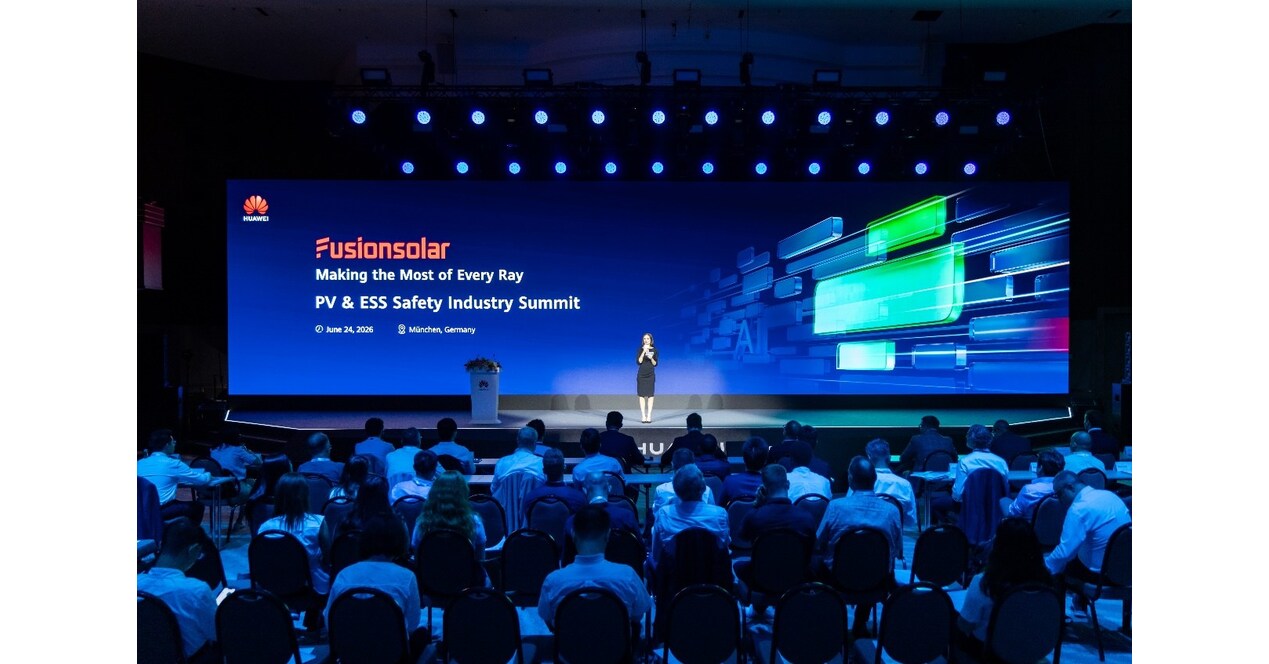
Huawei Digital Power, Intersolar Europe 2026 kapsamında Münih’te düzenlenen PV+ESS Güvenlik Zirvesi’nde ölçekli enerji depolama büyürken güvenlik/standart uyumsuzluklarını ele aldı. Çalıştaylarda BVES verisi olarak Almanya’daki BESS kapasitesinin ~19 GW seviyesinde olduğu belirtilirken, sektörün önümüzdeki 3 yılda yeni güvenlik kurallarına uyum sağlaması ve “ticari arbitrajdan sistem varlığına” geçişini tamamlaması gerektiği vurgulandı. Ayrıca UL 9540A test verilerinin (ör. termal kaçak süresi) paylaşımı, yaşam döngüsü boyunca nicel güvenlik değerlendirmesi ve yangın için “pasif koruma + proaktif uyarı” yaklaşımı gibi somut yönlendirmelerle güvenlik standartlarının yükseltilmesi hedeflendi.
This is less a near-term demand story than a pricing-power story in the risk stack. When storage safety becomes a gating item for financing, the economic winner is the party that can quantify, underwrite, and certify risk; that favors brokers/consultants with technical depth and the large integrators that can prove repeatable test data. Smaller ESS vendors and project developers that rely on cheap packs but lack bankable field evidence should see higher insurance friction, tighter covenant terms, and a wider cost of capital gap over the next 6-18 months.
For WTW, the upside is real but incremental: more complex loss modeling, more placement work, and potentially higher advisory fees as insurers and developers need better data before writing large tickets. The bigger second-order effect is not premium volume, but project delay and vendor consolidation; if insurers start demanding full-scale test disclosure and continuous monitoring, marginal projects will slip or be redesigned, which slows deployment without killing the category. That shift tends to reward the highest-quality names and punish the long tail.
The contrarian miss is assuming this is just ESG theater. Safety standardization can be a durable moat: once one or two major losses reset underwriting terms, the market bifurcates into insurable and non-insurable hardware. Falsifier: if loss activity stays contained and insurers refuse to reprice, the effect fades quickly. If a major storage fire or a regulator hard-codes new testing requirements in the next 1-3 months, the thesis gets stronger fast.
AI-powered research, real-time alerts, and portfolio analytics for institutional investors.
Request DemoOverall Sentiment
mildly positive
Sentiment Score
0.12
Ticker Sentiment
