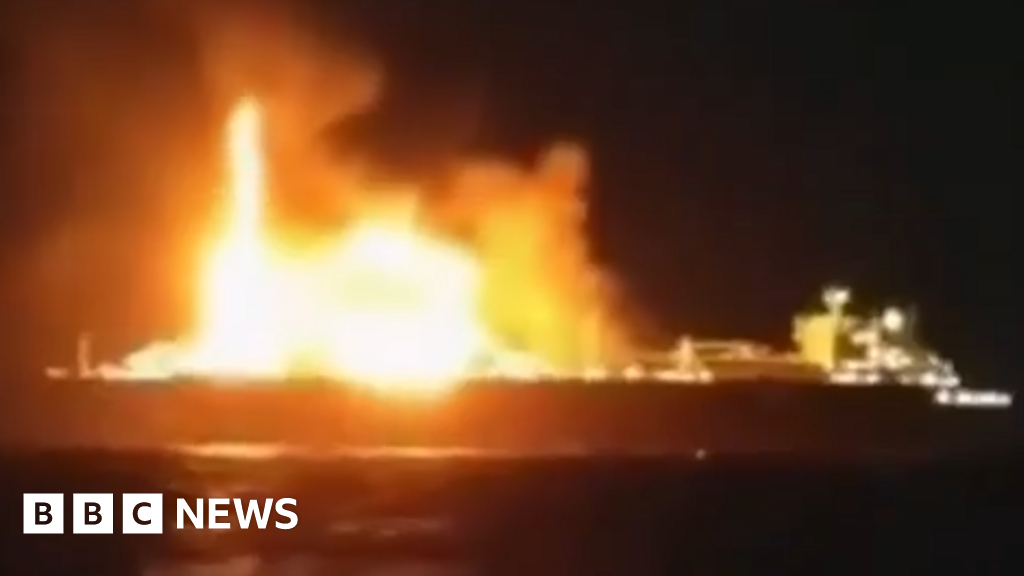
A Russian LNG tanker, the Arctic Metagaz, sank in the central Mediterranean after explosions and fire; Libyan officials say it was carrying about 62,000 tonnes of LNG and went down ~130 nautical miles north of Sirte, with all 30 Russian crew rescued. Moscow accused Ukrainian 'uncrewed sea drones' launched from Libya, but provided no evidence and Libyan authorities called the cause unclear; the ship — part of Russia's sanctioned 'shadow fleet' used to evade export controls — had been en route from Murmansk to Port Said. The incident raises geopolitical and insurance/operational risks for energy shipping, could add risk premia to LNG transport and shadow-fleet operations, and may complicate enforcement of sanctions and maritime security in the Mediterranean.
Market structure: The sinking removes one sanctioned LNG tanker and ~62kt of cargo — immaterial to annual global LNG (~350–400 Mtpa) but meaningful to a constrained ‘‘shadow fleet’’ corridor. Expect immediate localized spikes in spot LNG/TTF (3–8% intraday) and a 5–15% rerating of insurance premia/charter rates for older/sanctioned tonnage over weeks, benefiting owners of compliant modern LNG carriers and US liquefaction sellers.
Risk assessment: Tail risks include escalation (series of attacks → insurance market withdrawal for certain routes) that could force rerouting and raise freight/insurance costs 15–40% and lift TTF spreads materially; probability is low-medium but impact high. Timeline: immediate (days) = volatility in spot gas and freight; short-term (weeks–months) = insurance repricing and charter rate normalization; long-term (quarters) = structural reallocation of shipping capacity and increased defense spending on ASW/unmanned systems.
Trade implications: Favor liquid exposure to commodity sellers with flexible offtake (Cheniere LNG, ticker LNG) and owners of modern LNG tonnage (Golar LNG, GLNG) as short-term beneficiaries of higher spreads/charter rates; consider selective exposure to tanker owners (FRO) if BDTI/BCTI for LNG-related routes rises >20%. Use options to buy downside-protected upside (3-month call spreads) rather than outright high-delta buys because volatility will be elevated.
Contrarian angles: The market may overreact — one vessel loss is small vs global supply and similar maritime shocks (2019 Gulf incidents) normalized in 2–6 months; the true long-run winners are firms that replace unsafe/old capacity, not opportunistic owners of sanctioned tonnage. Monitor verification and EU policy changes — if investigations don’t implicate wider state actors within 30–60 days, fade initial commodity/freight rallies by taking profits.
AI-powered research, real-time alerts, and portfolio analytics for institutional investors.
Request TrialOverall Sentiment
moderately negative
Sentiment Score
-0.45
