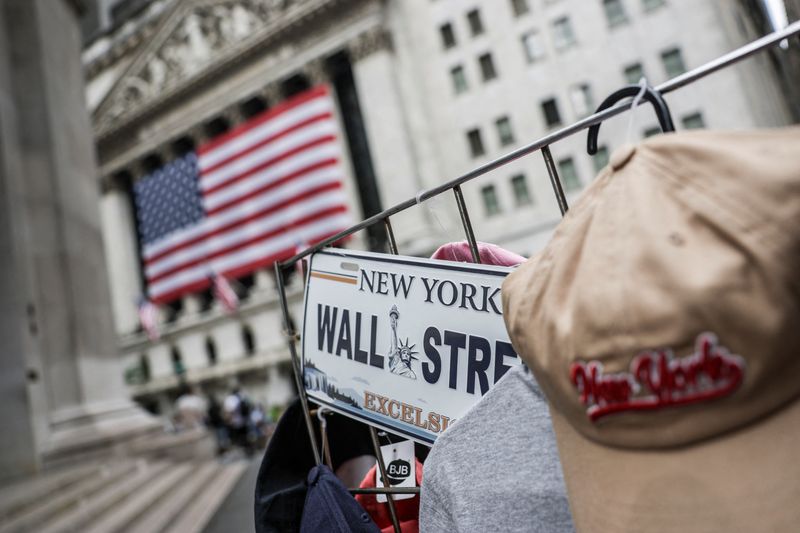
Goldman Sachs now expects 100 IPOs totaling $160 billion in 2026, versus a prior 120-IPO forecast, as volatility and geopolitical uncertainty weigh on issuance. The average 2026 IPO is up 19% on its first trading day, and 53 companies have filed to go public year to date, more than double last year’s comparable period. The article is broadly constructive on the IPO pipeline, though it flags software-heavy backlog risk and emphasizes mega-IPO uncertainty, including SpaceX’s potential $75 billion debut.
The first-order read is that the market is rewarding scarcity and complexity: when IPO windows open, capital crowds into the names with the cleanest growth narratives and the shortest path to profitability. That setup favors the “picks-and-shovels” beneficiaries more reliably than the largest prospective listings themselves, because the real monetization often comes from the ecosystem trade around underwriting, execution, hedging, and index inclusion rather than from the IPO event alone. Goldman’s data also implies a supply/demand imbalance in issuance: if the pipeline stays heavy but software-heavy backlog keeps slipping, the market may continue to bid up a narrower set of high-quality tech/AI exposure while punishing lower-quality issuers on debut.
The bigger second-order effect is that a successful mega-IPO calendar can become a liquidity drain on adjacent high-beta tech. New issuance tends to absorb marginal risk capital for several weeks, which can pressure secondary multiples even when the headline market is bullish. That makes the current enthusiasm for AI-linked memory and compute names more interesting: these are the likely operating leverage beneficiaries if the market keeps paying up for AI infrastructure, but they are also the most vulnerable if sentiment rotates from “own the enablers” to “fund the new issue.”
The contrarian miss is that strong first-day pops do not necessarily validate long-only ownership of the IPO class; they often signal that private-market pricing is still too conservative and that public-market demand is chasing a near-term squeeze. In that environment, the highest expected value trade may be to own the infrastructure and execution beneficiaries while fading late-cycle enthusiasm in the most crowded momentum names. For the names in scope, SMCI has the clearest second-order upside from AI capex intensity, APP is the cleaner expression of monetized ad-tech AI momentum, and GS is a more defensive way to own the issuance and deal-flow uptick without taking single-name IPO risk.
AI-powered research, real-time alerts, and portfolio analytics for institutional investors.
Request DemoOverall Sentiment
mildly positive
Sentiment Score
0.25
Ticker Sentiment
