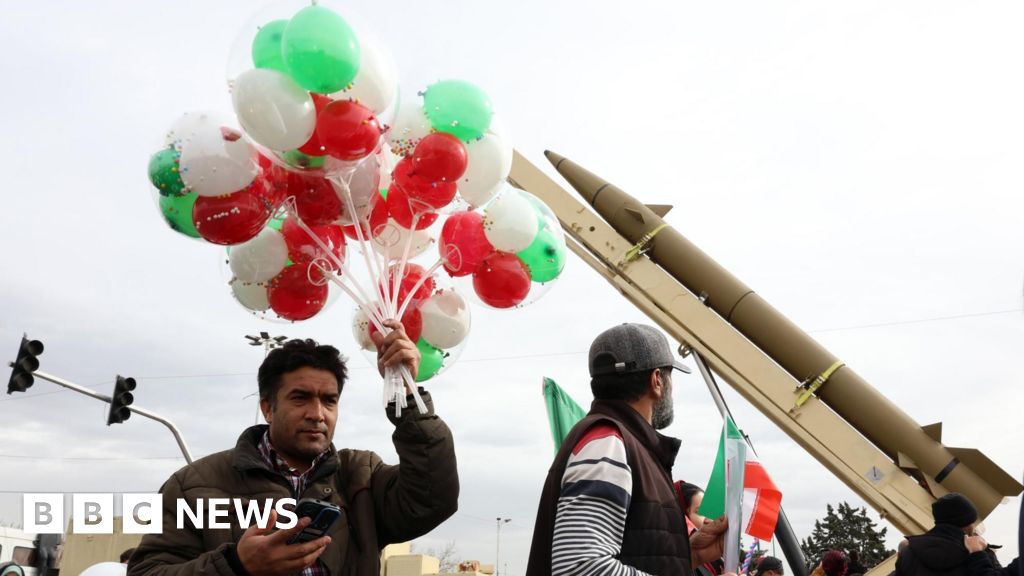
Tehran's 47th revolution anniversary was marked by regime rallies but overshadowed by widespread protests over a collapsing currency and surging living costs (notably cooking oil prices reportedly quadrupling) that followed a shopkeepers' strike on 28 December. Authorities have partially lifted a prolonged internet blackout and deployed loyalist crowds while vowing crackdowns amid reports of heavy protester casualties; combined with US warnings of possible strikes and enduring international sanctions, the situation raises heightened geopolitical and emerging‑market risks with potential knock‑on effects for regional stability and commodity markets.
Market structure: Iran's domestic unrest and the risk of wider regional escalation reallocates near-term pricing power to oil producers and insurers while crushing domestic consumer demand in Iran. Expect short, sharp oil volatility (0.2–1.0 mb/d effective disruption scenario) that benefits integrated majors (XOM/CVX) and raises marine insurance and freight costs, while EM sovereign spreads likely widen +50–150 bps and risk assets reprice lower.
Risk assessment: Low-probability/high-impact tails include US strikes or Strait of Hormuz attacks (probability 5–20% over 3 months) that would push Brent >$95 and gold >$2,200; a prolonged internal crackdown risks capital flight and currency collapse in weeks. Hidden dependencies: China’s covert Iranian crude purchases and the shadow tanker fleet can limit a supply shock, muting price moves; catalysts include US military actions, expanded sanctions, or an Iranian retaliatory campaign against shipping.
Trade implications: Tactical trades should favor convexity — short-duration oil calls or defined-risk call spreads, small long positions in XOM/CVX and defense names (LMT/RTX), and hedges in USD/Treasuries (UUP/TLT). Act fast on headline spikes (24–72h) for volatility plays, hold strategic energy/defense positions 3–12 months, and pare EM equity exposure if EMB widens >100 bps.
Contrarian angles: Consensus expects a persistent oil shock; history (2019 tanker attacks, 2011 uprisings) shows initial spikes often mean-revert within weeks as buyers adapt. If clandestine exports and Chinese demand persist, oil upside is limited — creating a window to fade intraday spikes and accumulate beaten-up EM credit after 10–20% dislocations.
AI-powered research, real-time alerts, and portfolio analytics for institutional investors.
Request DemoOverall Sentiment
strongly negative
Sentiment Score
-0.65
