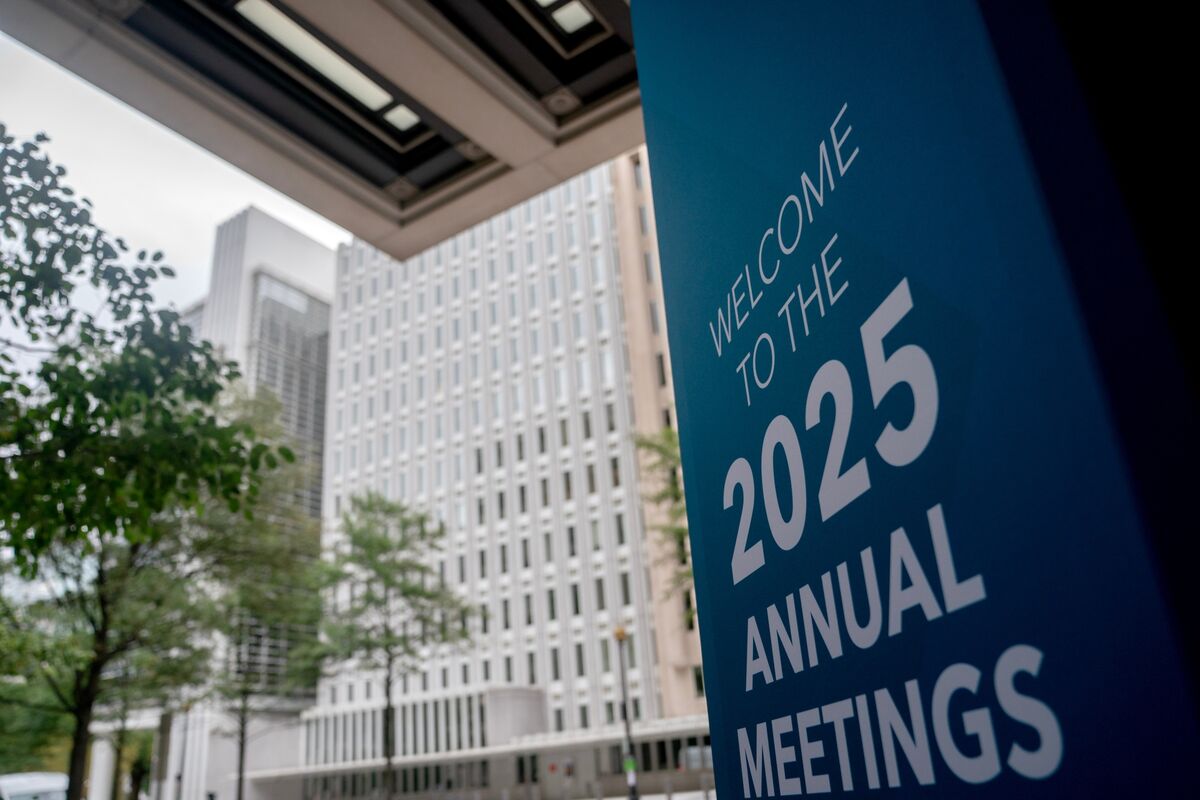
Discussions at the World Bank and IMF meetings are highlighting stablecoins as a potential "systemic threat," despite their promise for monetary efficiency due to their fiat-anchored, asset-backed structure. The debate underscores the inherent risks of financial innovations, prompting calls for proactive mitigation strategies to address these concerns.
Discussions at the World Bank and International Monetary Fund (IMF) annual meetings indicate a significant and moderately negative sentiment (-0.5) towards stablecoins, with warnings of a potential "systemic threat." Despite their design to offer monetary efficiency by being anchored to fiat currencies and backed by liquid assets like Treasuries, these digital assets are now drawing comparisons to earlier, risk-laden financial innovations such as derivatives. The prevailing tone is cautious, emphasizing the need for mitigation strategies, even if reactive, to address these inherent risks.
The article highlights that the stablecoin era, ushered in by the US GENIUS Act, is now under intense scrutiny from global financial institutions. This focus underscores the complex balance between innovation and financial stability, particularly within the Crypto & Digital Assets and Fintech sectors. The identified themes of Regulation & Legislation, Monetary Policy, and Banking & Liquidity confirm the broad implications of stablecoin proliferation.
The market impact score of 0.55 suggests that these high-level discussions are not merely academic; they carry a moderate potential for influencing policy and market dynamics. The emphasis on mitigating future problems indicates an evolving regulatory landscape that could significantly reshape the operational environment for stablecoins and the broader digital asset ecosystem.
AI-powered research, real-time alerts, and portfolio analytics for institutional investors.
Overall Sentiment
moderately negative
Sentiment Score
-0.50
