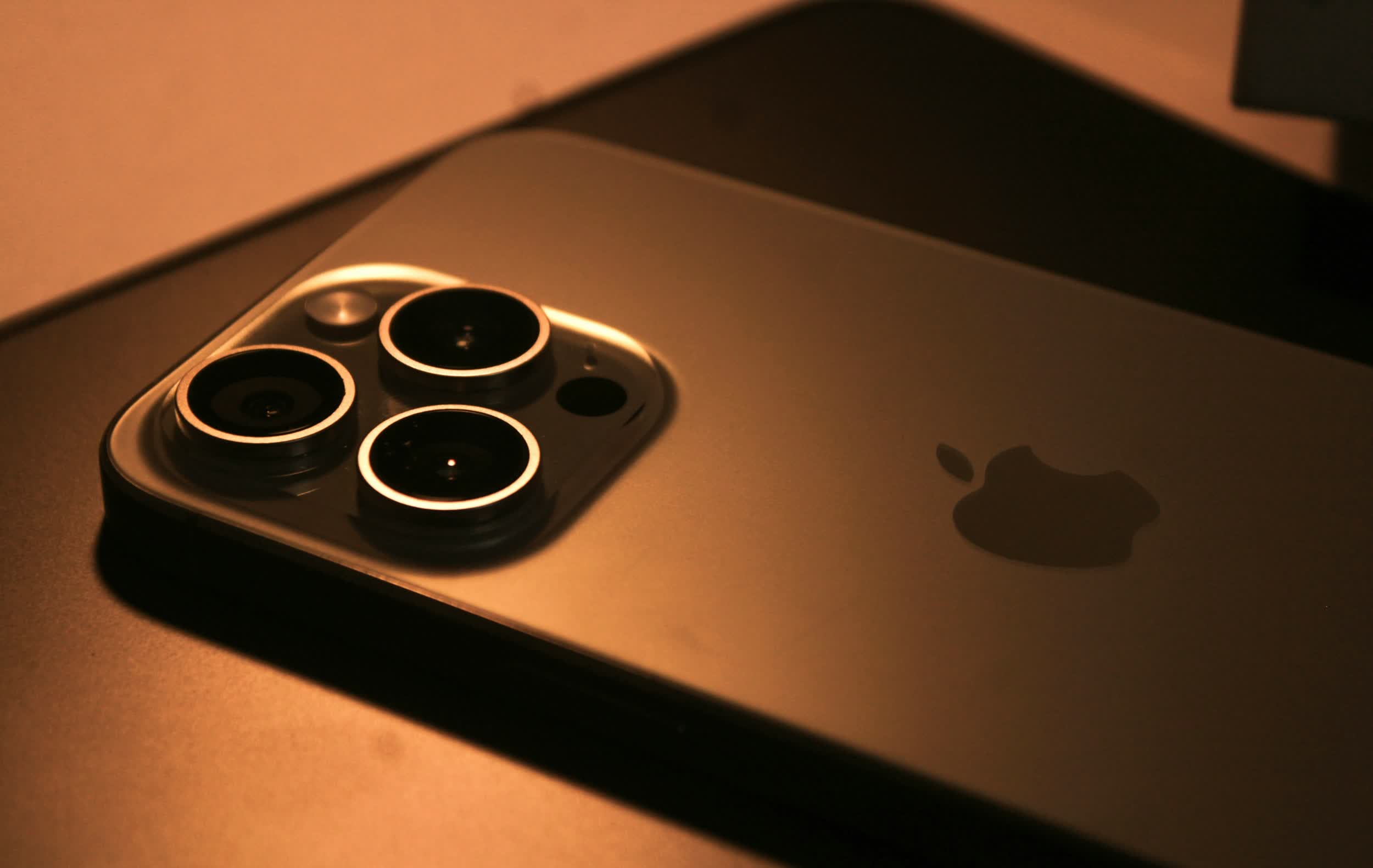
Apple and Samsung accounted for nine of the top 10 best-selling smartphones globally in Q1 2026, led by the iPhone 17, which captured 6% of worldwide sales. The iPhone 17 series continued to outperform expectations despite being an incremental upgrade, while Apple said demand was strong and supply constraints were the limiting factor. Xiaomi’s Redmi A5 took the only non-Apple/Samsung slot, and Counterpoint expects premium smartphones to keep gaining share even as the overall market declines.
Apple’s outperformance looks less like a one-off launch cycle and more like a proof point that the premium installed base can still expand even in a flat-to-down handset market. The second-order effect is mix: if the base model is getting closer to the Pro experience, Apple is monetizing consumers who would previously have delayed upgrades or traded down, which supports gross margin resilience even if unit growth stays muted. The immediate beneficiary is AAPL, but the bigger implication is that the competitive gap is widening in customer retention, not just brand share.
The supply-chain comment is the key tell: demand is running ahead of Apple’s ability to convert it, which means the constraint is operational rather than macro. That tends to defer revenue recognition into later quarters instead of destroying demand, so the near-term risk is less about a demand air pocket and more about timing volatility around component availability and shipment mix. If that bottleneck persists into the next two quarters, the market may misread delayed revenue as slowing demand and compress the multiple unnecessarily.
Samsung’s value-led volume position is a reminder that the bottom end of the market is still under pressure, but those wins are strategically defensive rather than economically accretive. Xiaomi’s lone entry suggests the low-end is fragmented and highly price elastic, which limits pricing power for everyone outside the premium tier. Over the next 6-12 months, the most important catalyst is whether the premiumization trend holds while total market units continue to soften; if so, the earnings power of the category becomes more concentrated in Apple even without unit share gains.
The contrarian view is that consensus may be too focused on unit rankings and not enough on mix durability. If high-end share keeps rising in a declining market, investors should favor the company with the best ecosystem lock-in and services attach, not the vendor with the most visible launch-cycle noise. The risk to that thesis is a broader consumer downgrade cycle or faster-than-expected component easing, either of which could normalize Apple’s mix advantage and reduce the scarcity premium currently embedded in the stock.
AI-powered research, real-time alerts, and portfolio analytics for institutional investors.
Request DemoOverall Sentiment
mildly positive
Sentiment Score
0.18
Ticker Sentiment
