The Federal Reserve injected $29.4 billion into the U.S. banking system via overnight repurchase operations on October 31, marking the largest such liquidity infusion in over five years, as bank reserves plunged to a four-year low of $2.8 trillion. This action signals deepening strain in short-term funding markets, effectively counteracting quantitative tightening and Treasury issuance, and suggests a pragmatic shift by the Fed to prioritize financial stability despite its hawkish rhetoric. The injection immediately eased short-term rates, such as the 13-week Treasury bill yield, and raises questions among institutional investors about the sustainability and alignment of the Fed's tight monetary policy stance with its operational actions.
The Federal Reserve executed a significant $29.4 billion overnight repurchase operation on October 31, marking the largest single-day liquidity injection in over five years. This action directly addresses deepening strain in short-term funding markets, evidenced by U.S. bank reserves plummeting to a four-year low of $2.8 trillion, a recent $102 billion decline, amid ongoing quantitative tightening and surging Treasury issuance.
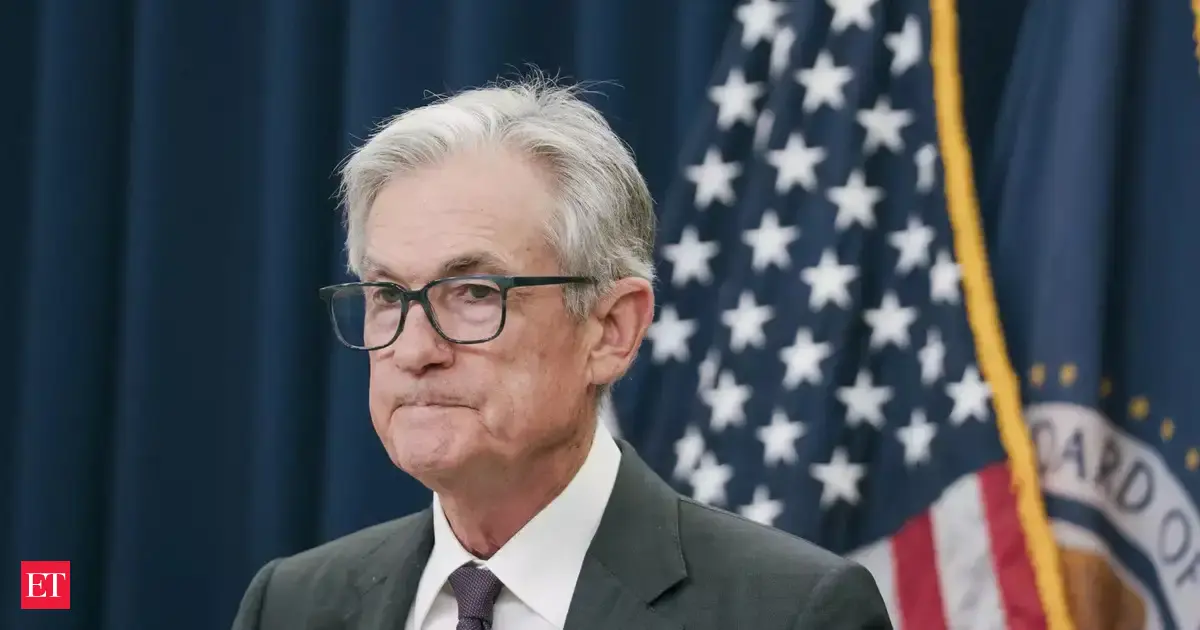
This liquidity infusion highlights a growing divergence between the Fed's hawkish rhetoric and its operational reality. Despite Chair Powell's persistent tough stance on inflation, the central bank's move, coupled with its recent announcement to end balance-sheet runoff on December 1, signals a pragmatic prioritization of financial stability over strict tightening, effectively acting as a "quiet pivot" or "preemptive damage control."
The market immediately reacted, with the 13-week Treasury bill yield (^IRX) slipping from 3.76% to 3.72% on October 31, reflecting eased short-term borrowing pressures. Analysts anticipate short-term yields may remain stable or drift lower, as the injection temporarily expands bank reserves and fosters expectations of a more supportive liquidity environment, challenging the sustainability of the Fed's hawkish stance.
AI-powered research, real-time alerts, and portfolio analytics for institutional investors.
Overall Sentiment
moderately negative
Sentiment Score
-0.50
Ticker Sentiment
