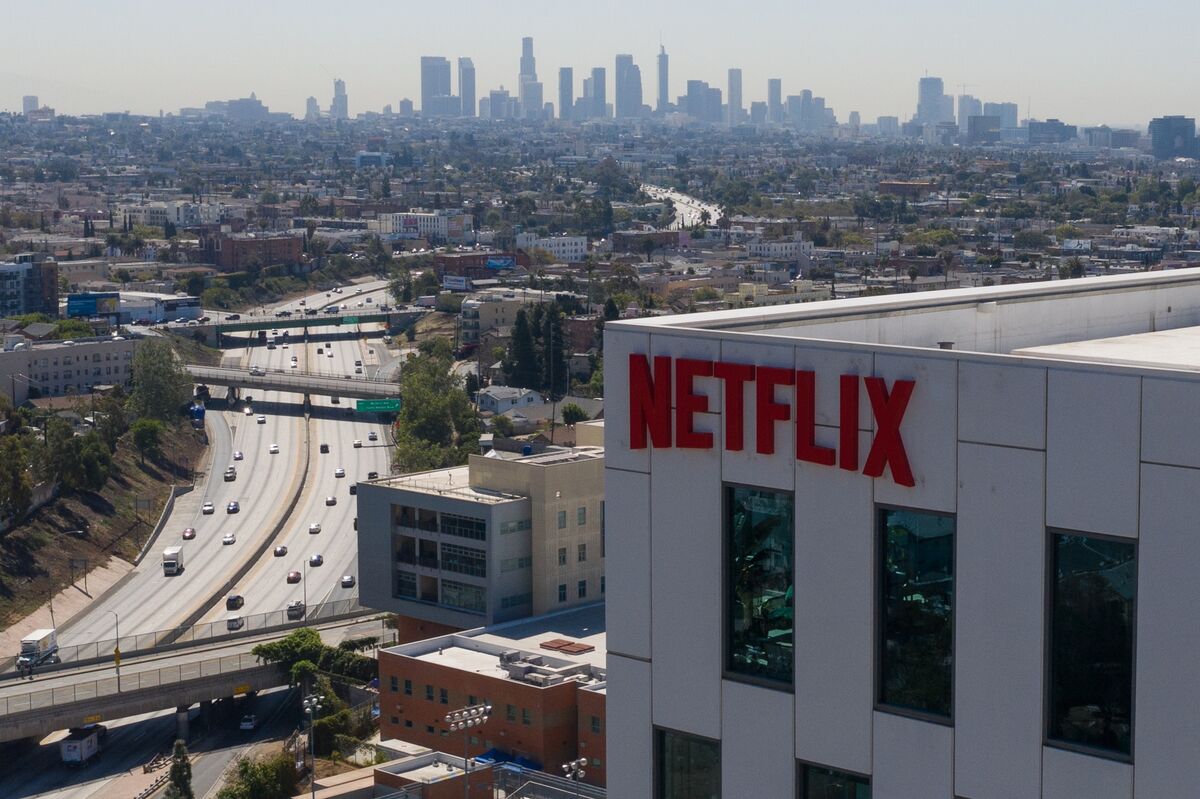
A proposed deal between Netflix and Warner Bros. sets up what Bloomberg characterizes as a roughly $72 billion antitrust test that could draw intensive regulatory scrutiny; the arrangement would reshape content licensing and competitive dynamics in streaming. Regulators could demand remedies or limitations that affect distribution windows, exclusivity and revenue pools, creating valuation and execution risk for both companies; investors should monitor filings, potential conditions and any market reaction as the review unfolds.
Market structure: A Netflix–Warner alignment increases Netflix's content control and gives it near-term pricing/leverage optionality — plausible scenario: Netflix could capture +2–5 percentage points of US streaming share and push ARPU +5–10% within 12–18 months if exclusives stick. Direct losers are smaller streamers (CMCSA/Peacock, PARA, niche AVOD players) facing content scarcity and margin pressure; upstream studios may see lump-sum licensing gains but long-term bargaining power loss. Cross-asset: expect NFLX equity IV to rise 20–60% versus peers, media corporate bond spreads to widen 25–75bp on headline risk, and USD/FX effects to be immaterial.
Risk assessment: Tail risks include a DOJ/FTC lawsuit or EU blocking/remedies that could force divestiture or costly restrictions — market-implied downside 20–40% for NFLX in a full-block scenario. Time horizons split: immediate (days) = volatility and flow-driven moves; short-term (30–180 days) = filings/second request and analyst revisions; long-term (6–24 months) = structural market-share and pricing resolution. Hidden dependencies: legacy licensing windows, international rights, and ad-revenue covenants; catalysts are DOJ filings, EU decisions, WBD shareholder commentary, and next-quarter subs guidance.
Trade implications: Expect elevated options vol and dispersion trades to pay; short-term protection via puts is efficient while event risk resolves. Relative-value: content sellers (WBD) could outperform if deal generates cash; incumbents with ad revenue exposure and weaker catalogs (CMCSA, PARA) are vulnerable. Sector rotation into diversified media (DIS, T) versus pure-play streamers reduces idiosyncratic risk.
Contrarian angles: The market may overprice a permanent block — historical precedent (Comcast–NBCU) shows remedies are likelier than outright bans, implying a >50% chance of settlement-based outcome over 6–18 months. If IV spikes >20ppt above realized vol, selling premium (structured) is attractive. Unintended risks: protracted litigation could raise content licensing costs, paradoxically boosting niche AVOD margins and M&A activity among smaller studios.
AI-powered research, real-time alerts, and portfolio analytics for institutional investors.
Request DemoOverall Sentiment
moderately negative
Sentiment Score
-0.25
Ticker Sentiment
