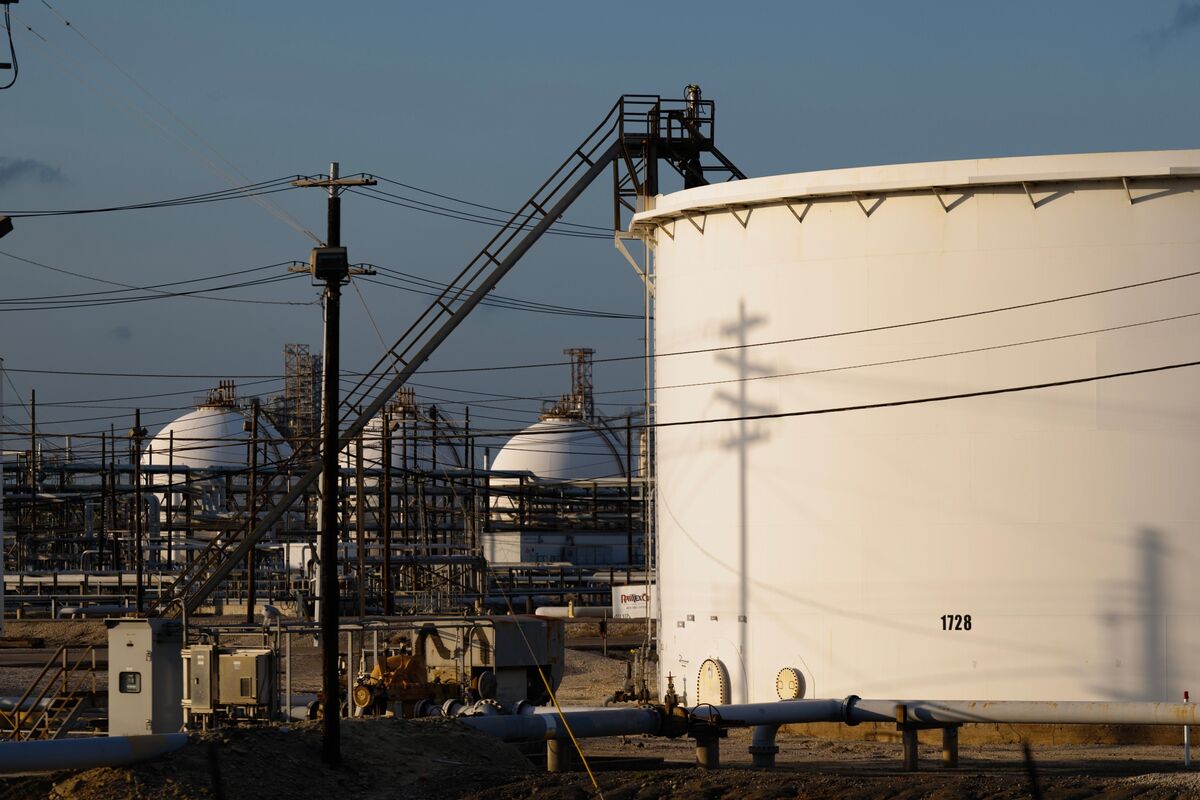
US natural gas futures rose as producers cut output over the holiday weekend and more gas flowed to Gulf Coast LNG export terminals, tightening near-term balances. Some LNG facilities had previously reduced capacity for seasonal maintenance, redirecting supply back into the domestic market. Gains may be capped by cooler-than-normal weather forecasts in Eastern US population centers, which could reduce cooling demand and leave more gas available for storage.
This looks like a near-term squeeze rather than a durable regime shift. The price support comes from a temporary tightening of the balance between domestic supply, LNG feedgas, and holiday-weekend production discipline, but the macro brake is still weather: if cooling-degree days disappoint, the market can quickly lose the bid because incremental demand from power burn is highly elastic week to week. In other words, the move is more about timing mismatch than a structural deficit.
The second-order winner is the LNG export complex and midstream bottlenecks that can monetize every uptick in feedgas draw. The loser is the storage overhang story: weaker early-summer air-conditioning load would push more molecules into injections, which can cap the front of the curve and flatten the prompt spread even if outright futures hold up. That matters because the market often prices the headline front-month move, while the real signal is whether prompt-month strength bleeds into later contracts or just accelerates storage refill.
Contrarian read: the market may be underpricing how quickly maintenance completions can reverse the current tightness. If production snaps back and weather stays mild, the same supply that is now supporting LNG exports will re-enter domestic balance and pressure prices within 1-3 weeks. The upside tail is a surprise hot July/August pattern; absent that, rallies should fade into strength rather than trend materially higher.
For positioning, the best risk/reward is to express a short-vol view rather than outright directional long gas. The setup favors selling strength in front-month nat gas while keeping a tail hedge for weather risk, because the current catalyst mix is supportive but fragile and prone to reversal on forecast updates.
AI-powered research, real-time alerts, and portfolio analytics for institutional investors.
Request DemoOverall Sentiment
mildly positive
Sentiment Score
0.15
