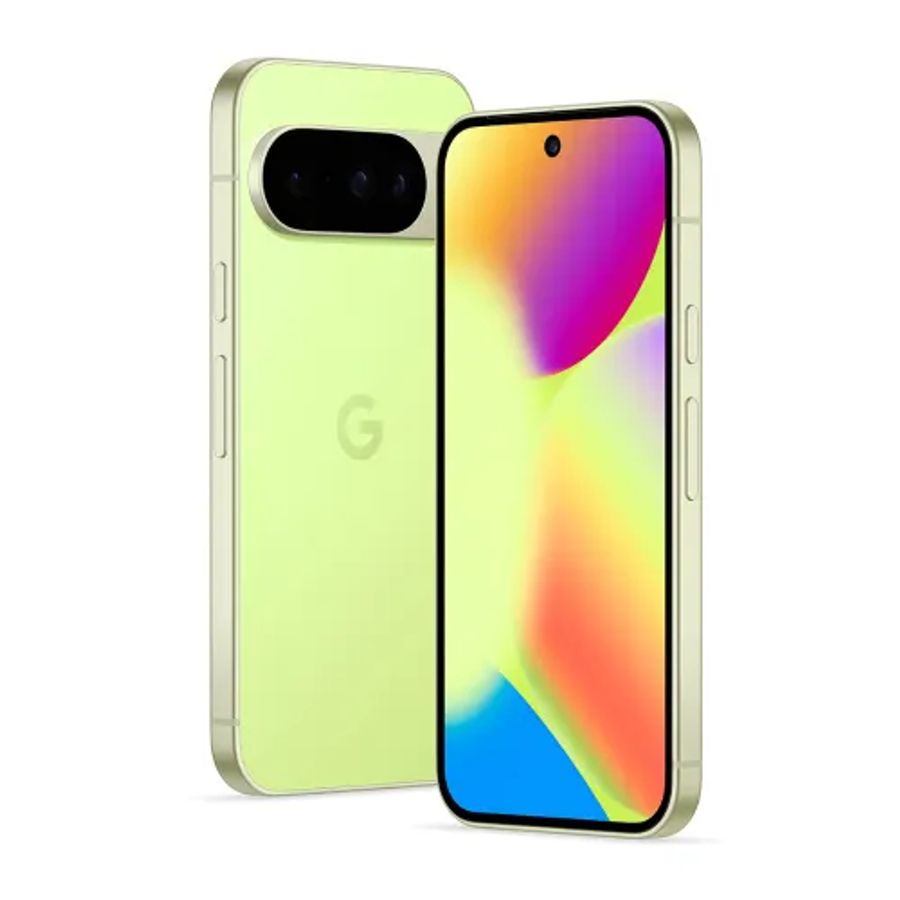
Vijay Sales has cut the Google Pixel 10 (12GB+256GB) price to Rs 74,999 from Rs 79,999, with additional bank offers lifting potential instant discounts to as much as Rs 7,500. The article highlights Google’s Tensor G5 chipset, AI-powered features, and a strong camera setup, reinforcing the device’s premium positioning. The news is positive for consumer demand at the retail level but is unlikely to have a broad market impact.
This is more important for Google than the headline discount suggests: it is evidence that Pixel is being used as a strategic wedge to monetize AI differentiation rather than purely to drive hardware profit. In other words, the handset matters less as a P&L line item and more as a distribution node for Gemini, search, and services engagement—so any success here can have a convex effect on downstream usage, retention, and ad targeting quality over the next 6-18 months.
The immediate winner is Google’s ecosystem narrative, but the competitive read-through is to mid-premium Android OEMs, which face tighter price-pressure without comparable software moat. If Pixel gains share at the expense of aspirational Android brands, the second-order impact is margin compression in the category, especially for players that lack pricing power and rely on channel incentives. Component suppliers may see near-term unit support, but that is likely offset by weaker ASPs if promotions become the new baseline.
For the card issuers, the event is not about interchange revenue so much as affluent-category engagement. AmEx and HDFC are using selective discounts to defend share in high-value EMI spends, but the risk is that these offers simply subsidize purchases that would have occurred anyway; the true signal is whether conversion rises enough to justify the promo burn. Over the next few weeks, watch whether these offers broaden beyond a single SKU—if they do, it would imply weaker-than-expected consumer elasticity and more aggressive retailer-led inventory support.
The contrarian view is that this is less a demand inflection than a tactical clearance mechanism disguised as an AI story. If the discounting persists, it can actually cheapen the premium perception of the device and reduce the premium multiple investors should pay for hardware-led growth claims. That makes the setup attractive only if the market is underestimating the durability of Google’s software attach; otherwise the trade should stay tactical, not structural.
AI-powered research, real-time alerts, and portfolio analytics for institutional investors.
Request DemoOverall Sentiment
mildly positive
Sentiment Score
0.28
Ticker Sentiment
