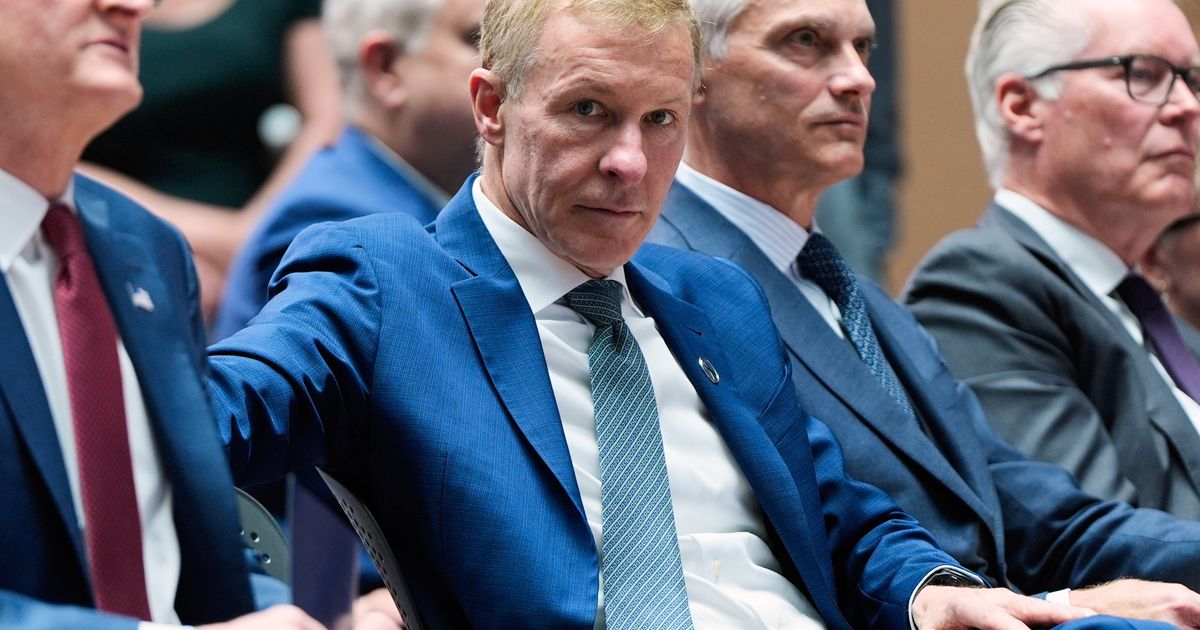
United CEO Scott Kirby said a merger with American could create a larger, customer-friendly airline and argued it could win regulatory approval, but American publicly rejected any discussions and said the deal would be negative for competition and consumers. President Trump also said he opposed a merger, adding a political headwind. United shares fell 1.4% to $91.72 and American shares slipped 2% to $11.84, even as both names had rallied on earlier merger speculation.
The market is treating the merger headline as a valuation event, but the more important signal is that both carriers are being forced to trade on strategic optionality rather than fundamentals. For UAL, the upside from a tie-up is mostly multiple expansion, not near-term earnings accretion, and that makes the stock vulnerable if the deal narrative fades before summer capacity/pricing data can re-rate the airline group. For AAL, the bid rumor highlights how little standalone strategic flexibility remains; it becomes the weaker half of any industry-consolidation story, especially when leverage and execution credibility are already constraints.
The second-order effect is on the rest of the airline ecosystem: if consolidation talk persists, network carriers may temporarily support domestic capacity discipline to defend yields, but low-cost and ultra-low-cost carriers could become the real beneficiaries if majors get distracted by antitrust theater. Aircraft OEMs and lessors are another subtle winner over a multi-quarter horizon because any merger thesis implies fleet rationalization, deferred retirements, and more bargaining power for large airlines over delivery schedules rather than outright order cuts.
The key risk is that geopolitics, not M&A, remains the dominant short-term driver. Fuel is still the clearest swing factor over the next 1-2 quarters, so even a credible strategic narrative cannot fully offset margin compression if crude stays elevated; that keeps earnings revisions biased lower unless pricing power improves into the peak travel season. If regulators or the White House signal active opposition, the merger premium can disappear in days, while operational data will take months to prove whether the stock selloff has already discounted that outcome.
Consensus seems too focused on whether this deal happens and not enough on what the attempt implies: both management teams are signaling that organic growth is harder than expected. That usually precedes more aggressive capital allocation, network pruning, or balance-sheet actions across the sector. In that sense, the headline may be less about a specific combination and more about a coming phase of airline self-help and selective consolidation pressure that could outlast the current rumor cycle.
AI-powered research, real-time alerts, and portfolio analytics for institutional investors.
Request DemoOverall Sentiment
neutral
Sentiment Score
-0.05
Ticker Sentiment
