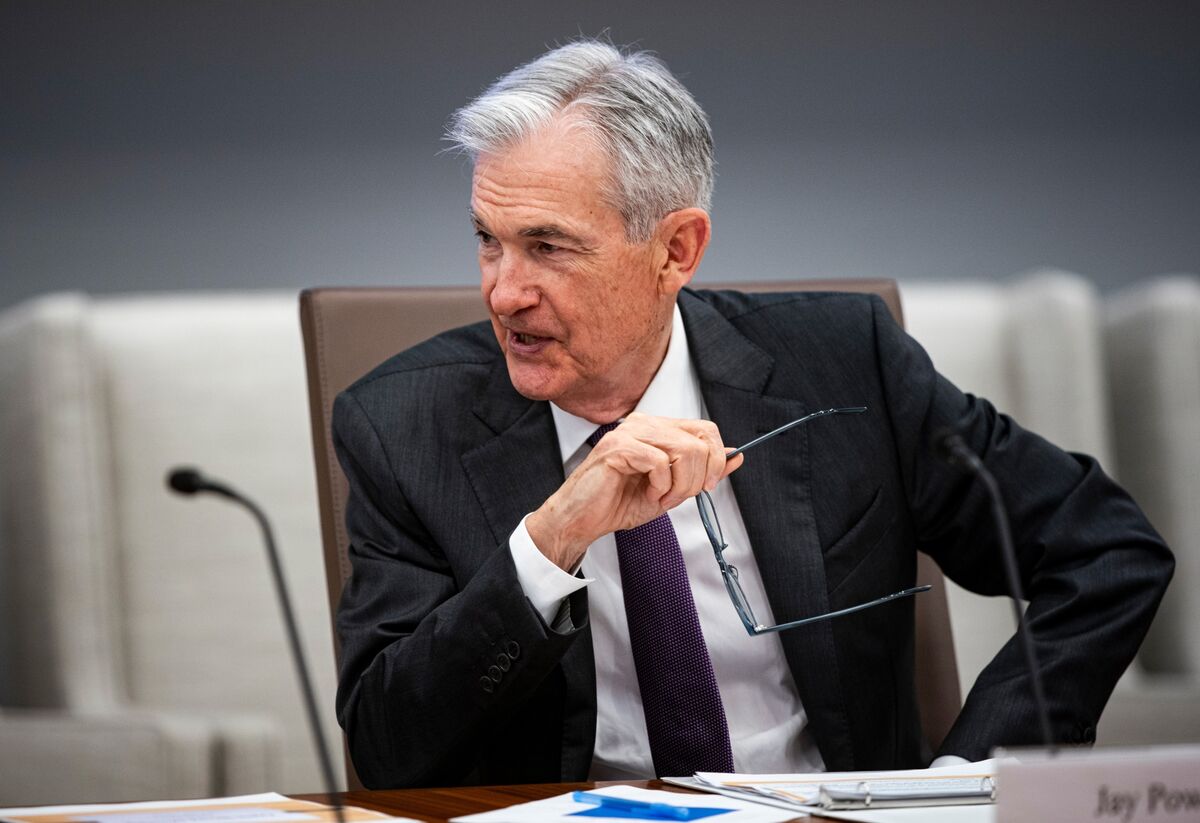
The article warns that markets may be overly complacent regarding inflation, despite a broad view that prices are largely under control and central banks are expected to gradually lower interest rates. It suggests that new, unexpected pricing pressures could emerge globally, potentially challenging current market assumptions and the outlook for monetary policy.
The prevailing market sentiment appears to be one of complacency regarding inflation, anchored by a broad consensus that pricing pressures are sufficiently contained to allow for a gradual reduction in central bank interest rates over the next year. However, this outlook faces a notable risk from potential, unforeseen inflationary shocks originating from global sources. The current market positioning, which anticipates a continued disinflationary trend and subsequent monetary policy easing, is therefore vulnerable to a significant repricing event. A re-acceleration in inflation would directly challenge the narrative of controlled prices, potentially forcing central banks to delay or reverse expected rate cuts, thereby introducing volatility into fixed income and equity markets that are priced for a more benign environment.
AI-powered research, real-time alerts, and portfolio analytics for institutional investors.
Request DemoOverall Sentiment
moderately negative
Sentiment Score
-0.30
