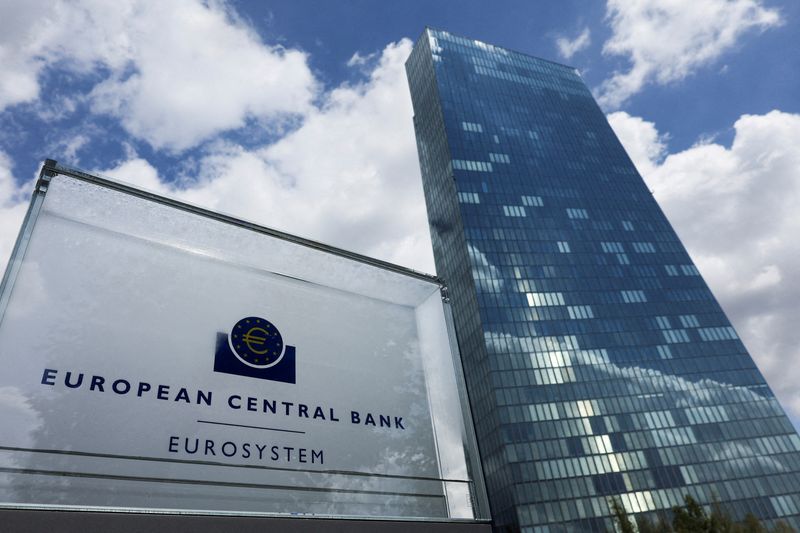
The ECB is increasingly weighing a June 10-11 rate hike as Iran-related energy shocks are expected to keep eurozone inflation above prior forecasts. ECB Governing Council member Martin Kocher said policymakers are now essentially deciding between holding and raising rates, with fresh projections due next month likely to be decisive. The article also notes oil prices had risen on conflict risks, while markets are reassessing European policy expectations amid elevated uncertainty.
The market is beginning to price an inflation regime shift in Europe, but the first-order move is likely less about the ECB hiking next month and more about the path-dependence of expectations. If policymakers conclude the energy shock is temporary, they can look through it; if not, the ECB risks being forced into a defensive stance just as growth is already softening, which is bearish for cyclicals and long-duration assets. The key second-order effect is that higher front-end European yields can tighten financial conditions even if policy rates only move marginally, pressuring leveraged real estate, utilities, and small-cap domestic demand names.
Energy is the transmission channel, but the biggest beneficiaries are not necessarily oil producers; they are firms with pricing power and short working-capital cycles that can reprice quickly before wage negotiations catch up. In Europe, that favors defensives with input-cost passthrough and hurts transport, chemicals, and consumer discretionary. A less obvious loser is the broad euro-zone industrial complex: even a modest rise in rates layered on top of higher freight and fuel costs can compress margins twice, via both financing expense and demand elasticity.
The contrarian risk is that the market may be overestimating how persistent the inflation impulse is if a peace deal meaningfully restores shipping normalcy. If crude retraces and freight bottlenecks ease over the next 2-6 weeks, ECB hawkishness could fade fast, creating a relief rally in rate-sensitive European equities and a reversal in the euro. Conversely, if energy markets stay bid into the June projections, the ECB may be forced to signal a bias toward tightening, which would keep the front end under pressure even without a formal hike.
The setup favors tactical relative-value expressions rather than outright beta. The most interesting trade is long European banks versus short European consumer/discretionary or real estate: banks benefit from a steeper front end and better net interest margins, while rate-sensitive sectors absorb the financing shock. This is a cleaner expression than shorting rates outright because it captures both higher-yield and growth-dispersion effects over the next 1-3 months.
AI-powered research, real-time alerts, and portfolio analytics for institutional investors.
Request DemoOverall Sentiment
neutral
Sentiment Score
-0.05
