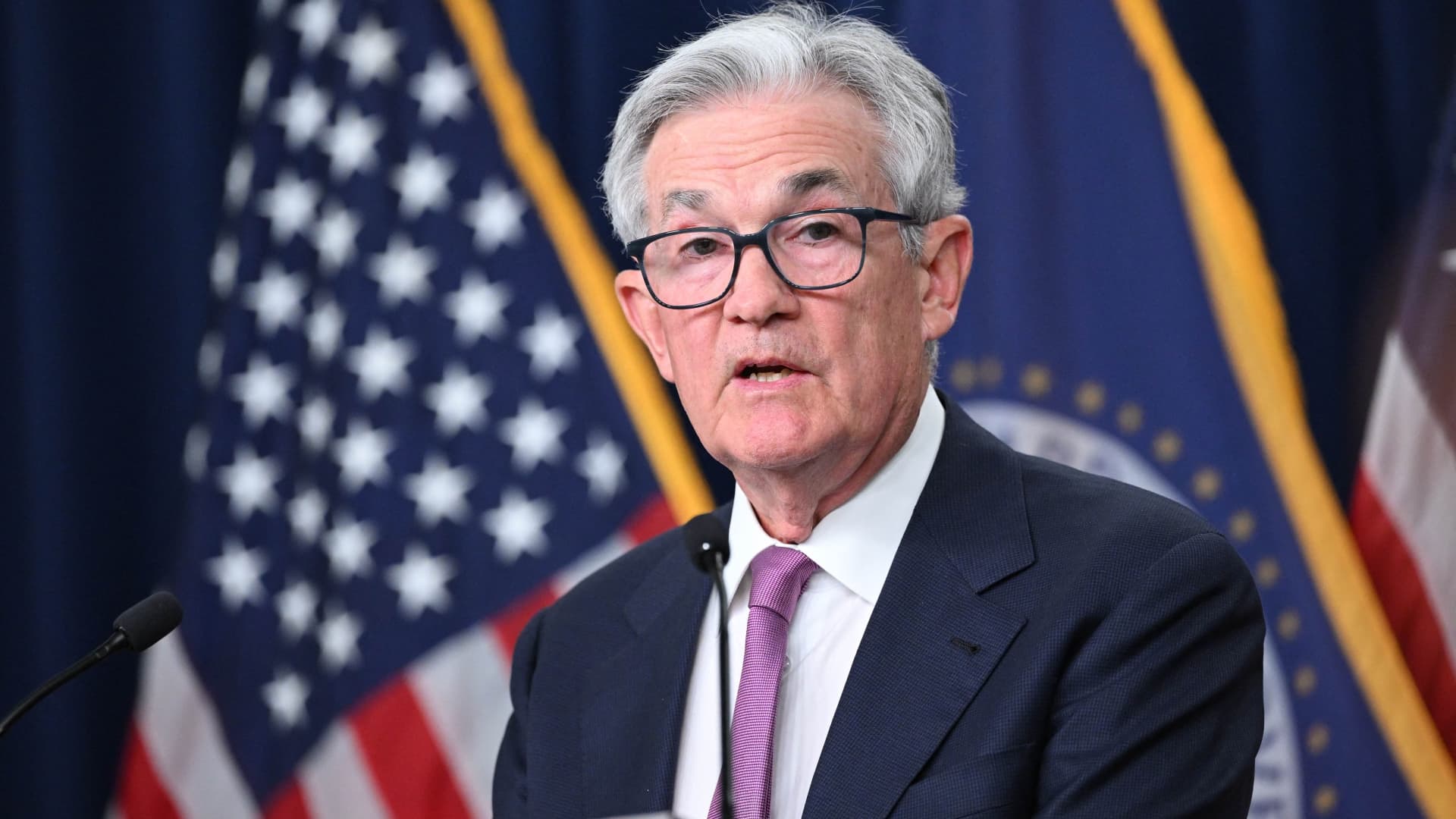
U.S. Treasury yields were little changed, with the 10-year at 4.358%, the 2-year at 3.848%, and the 30-year at 4.946%, as markets awaited the Fed's policy decision. The FOMC is widely expected to hold rates at 3.50% to 3.75% amid sticky 3% inflation and a resilient labor market. The article also signals a likely leadership transition at the Fed, with Kevin Warsh moving closer to confirmation as Jerome Powell's successor.
The market is pricing a benign hold, but the real signal is that the front end is no longer reacting to each Fed meeting as a regime-change event. That matters because when policy is sticky at restrictive levels while growth remains resilient, duration becomes less about cut expectations and more about the inflation path’s persistence premium. In other words, the next leg in rates is more likely to come from upside inflation surprises or fiscal supply pressure than from an imminent policy pivot.
If the incoming chair is perceived as more politically aligned or less institutionally anchored, the curve should cheapen at the long end before the front end reacts. That is a second-order tightening channel: term premium can rise even if the policy rate is unchanged, which hurts rate-sensitive equity duration, levered balance sheets, and segments that depend on low refinancing costs. Watch the 5s30s and 2s10s as the first tell — a bear-steepener would imply markets are starting to price more inflation tolerance or more issuance risk.
The contrarian angle is that a “pause forever” narrative is usually most fragile when labor remains firm; it gives the Fed cover to stay restrictive longer than consensus wants to believe. The surprise is not a cut, but a slower disinflation path that keeps real rates elevated into growth-sensitive pockets of the economy. That favors cash-generative, short-duration equities over long-duration duration proxies, and argues for hedging any crowded rate-cut positioning into the next few months.
AI-powered research, real-time alerts, and portfolio analytics for institutional investors.
Overall Sentiment
neutral
Sentiment Score
0.00
