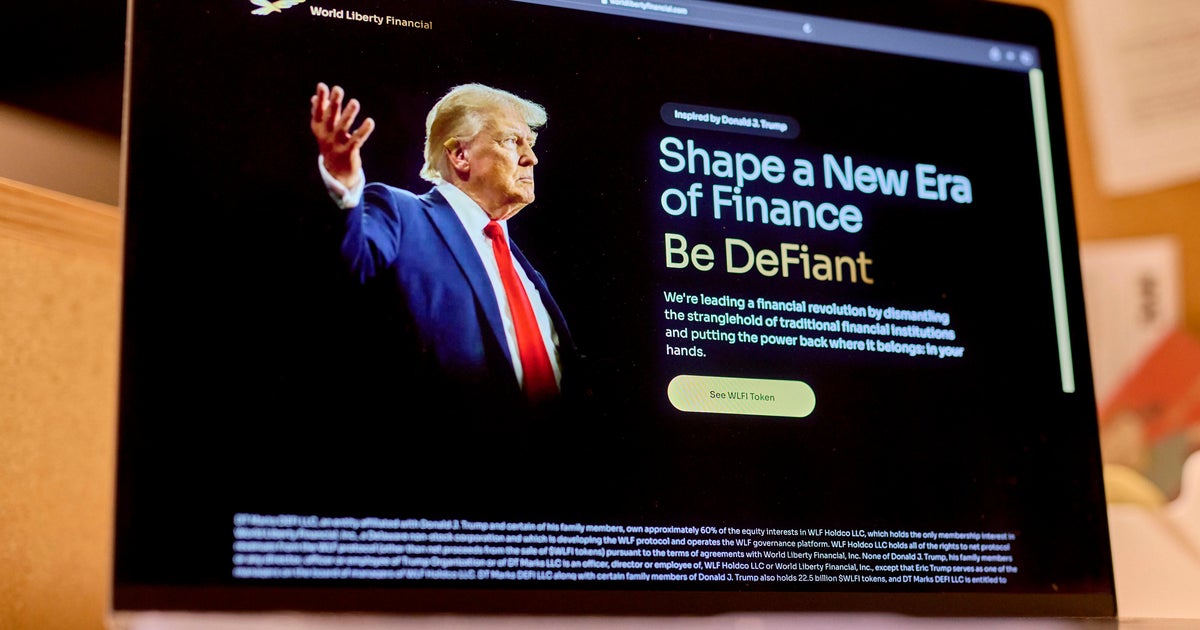
World Liberty Financial has sued major investor Justin Sun for defamation, alleging a "public smear campaign," straw purchases, token-betting against the project, and use of fake social-media accounts. The suit seeks unspecified damages and a public retraction, while Sun separately sued the startup in April over alleged token-sale restrictions tied to up to $1 billion of digital assets. The dispute adds legal and reputational overhang to a crypto venture whose tokens are down about 81% over the past year and trade near 6 cents.
This is less a reputational skirmish than an on-chain control fight over who gets to define liquidity, governance, and redemption rights around a highly diluted token. When a flagship token is already in a deep drawdown, litigation becomes a leverage tool: it can freeze secondary market activity, widen spreads, and deter market makers from warehousing inventory, which mechanically pressures price and turnover over the next several weeks. The real economic damage is not the lawsuit itself but the prospect of exchange counterparties, token holders, and OTC desks demanding tighter KYC/eligibility checks on anything linked to the issuer.
The second-order winner is likely the broader crypto ecosystem’s risk-off beneficiaries, not the parties in the dispute. Any perception that a politically connected token can be encumbered by legal claims and governance allegations increases the discount rate on other celebrity- or venture-backed token launches, especially those with concentrated insider ownership and opaque lockups. That should support relative outperformance in higher-quality BTC/ETH proxies versus smaller-cap alt exposure, as capital rotates toward assets with deeper liquidity and lower headline-specific idiosyncratic risk.
Near term, the catalyst path runs through discovery, injunction requests, and whether either side escalates with evidence that can be framed as market manipulation or improper token control. The key tail risk is an adverse court filing that validates any of the more serious allegations, because that could trigger exchange reviews, wallet-level restrictions, or tokenholder redemption fears over a 1-3 month horizon. Conversely, if the case is dismissed or quietly settled, the bounce may be sharp but likely brief because the underlying issue is governance credibility, which is harder to repair than headline sentiment.
The market is probably underestimating how much this bleeds into TRON-related sentiment even without direct legal exposure: Sun’s personal brand is a major part of the ecosystem’s distribution and deal flow, so reputational damage can translate into slower partner onboarding and weaker speculative bid for adjacent assets. The bearish setup is therefore broader than one token; it argues for a cleaner expression in the highest beta, lowest-quality crypto basket rather than trying to front-run any single legal outcome. The more asymmetric trade is to fade rallies in politically or founder-concentrated tokens while maintaining core exposure to liquid majors.
AI-powered research, real-time alerts, and portfolio analytics for institutional investors.
Request DemoOverall Sentiment
strongly negative
Sentiment Score
-0.55
Ticker Sentiment
