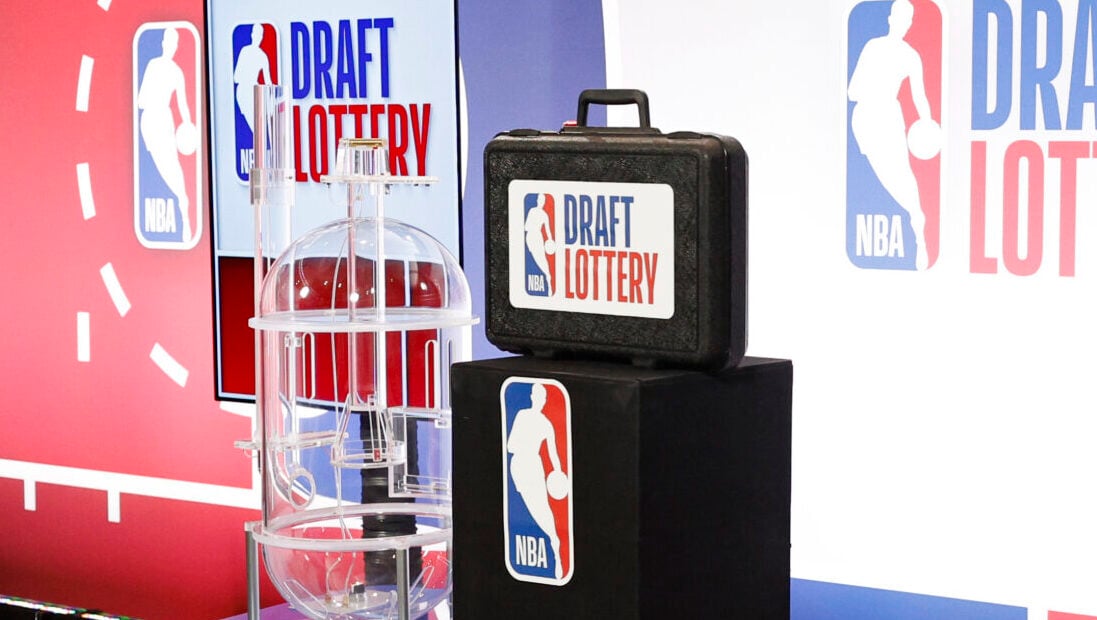
The NBA Board of Governors approved a new 3-2-1 Draft Lottery system beginning with the 2027 NBA Draft, expanding the lottery to 16 teams and flattening odds to reduce tanking incentives. The league also added pick floors, pick restrictions, tighter protections on traded picks, and expanded disciplinary authority. The rule changes will apply to the 2027-2029 drafts, with selection-order rules for 2030 onward to be decided later.
This is a structural governance change, not a one-off rule tweak, and the market should treat it as a slow-burn shift in talent allocation rather than an immediate earnings event. The biggest second-order effect is on the marginal value of losing: by compressing the reward for the very bottom teams while adding penalties and pick-floor constraints, the league is trying to reduce the option value of a deliberate rebuild. That should modestly raise the expected usefulness of late-season competitive games, but only after teams see real enforcement; until then, the credibility of discipline matters more than the written rule.
The likely winners are the franchises that can convert competence into mid-table outcomes and the players on those rosters, because the downside of accidentally finishing bottom-tier becomes less attractive while the upside of staying in the play-in range improves. The losers are organizations whose current strategy depends on multi-year asset accumulation through high lottery variance; their path to elite talent becomes more expensive and slower. A subtle beneficiary is the ecosystem around competitive teams — ticketing, local media, and sponsors — since fewer intentional shutdowns and more meaningful games should improve home-date quality, especially in smaller markets where engagement is more fragile.
The contrarian risk is that the reform may actually concentrate dysfunction rather than eliminate it. If the biggest penalty is a floor at a still-useful pick range, some teams may simply re-optimize around being bad enough to stay out of the play-in but not so bad that they trigger the harshest restrictions. That creates a narrower band of tanking incentives, which is harder to police and may increase variance in outcomes rather than lower it. The real catalyst is the first season where a low-record team gets visibly punished in draft order; without that precedent, this may remain more signaling than deterrence.
AI-powered research, real-time alerts, and portfolio analytics for institutional investors.
Request DemoOverall Sentiment
neutral
Sentiment Score
0.05
