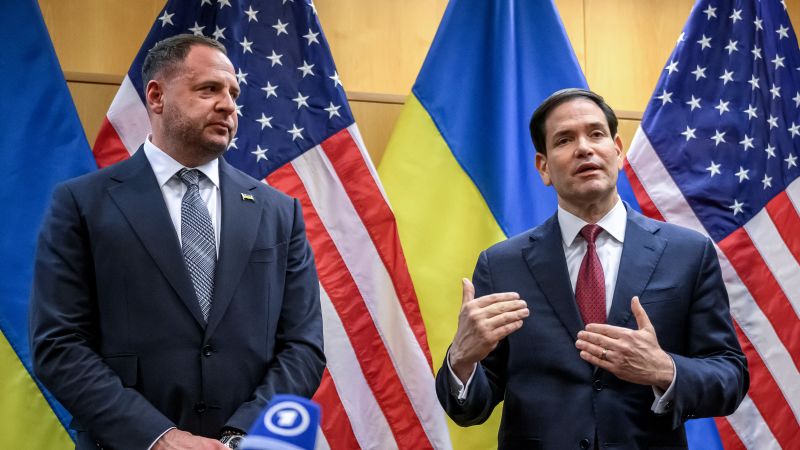
US-led negotiations in Geneva produced a draft peace proposal that would require Ukraine to cede contested territory (including a proposed Russian demilitarized zone in parts of the Donbas) and accept limits on its armed forces (a cap discussed at around 600,000), while the White House says Ukraine’s principal security and economic concerns were addressed. Secretary of State Marco Rubio signaled progress but declined to provide details, and Washington has reportedly threatened to withdraw military support if Kyiv refuses, raising the risk that Kyiv could be pressured into concessions that favor Russia — a dynamic likely to keep markets and defense exposures sensitive to further diplomatic developments.
MARKET STRUCTURE: A negotiated settlement that materially reduces kinetic risk will likely compress risk premia across energy and defence: expect oil and gold to fall 8-18% from stressed levels within 2–8 weeks, while select defence names could see 5–15% downward re-rating if US aid is curtailed. Conversely, a breakdown drives USD safe‑haven flows, higher oil (+10–25% in 1–3 months on supply‑risk spikes), and a re‑pricing of European gas/utility spreads as winter demand uncertainty returns.
RISK ASSESSMENT: Tail risks include a rapid US funding cutoff for Ukraine (political tail) producing a 20–40% drawdown in niche munitions suppliers within days, or expanded sanctions on Russia that disrupt energy flows for quarters. Time windows: immediate (48–72 hours) for volatility shocks; 1–3 months for budget and procurement repricing; 6–24 months for structural NATO defence spending shifts. Hidden dependencies: Congressional calendar, munition inventory burn rates, and winter gas storage levels in Europe — each can flip the direction fast.
TRADE IMPLICATIONS: Treat near‑term moves as volatility-driven opportunities; prefer option structures and pairs rather than outright directional cash positions. Liquidity and regulatory risk argue for traded liquid names/ETFs (RTX, LMT, XOM, GLD, BNO, USO) with tight entry triggers tied to Brent, VIX, and a Congressional vote within 30–60 days. Scale in over 2–4 tranches, size conservative (1–3% allocations) and horizon 6–12 weeks for tactical trades, 6–24 months for structural rotates.
CONTRARIAN ANGLES: Market consensus will overprice binary outcomes; a compromise that leaves Ukraine with security guarantees but limited territory may produce an initial rally in cyclicals followed by a multi‑quarter defence rebound as NATO shifts to modernization and stockpile replenishment. History (post‑Korean War/Cold War resets) suggests defence OEM revenue can reaccelerate 9–18 months after ceasefires when procurement refocuses — don’t fully exit core defence exposure on early peace headlines.
AI-powered research, real-time alerts, and portfolio analytics for institutional investors.
Request DemoOverall Sentiment
moderately negative
Sentiment Score
-0.35
