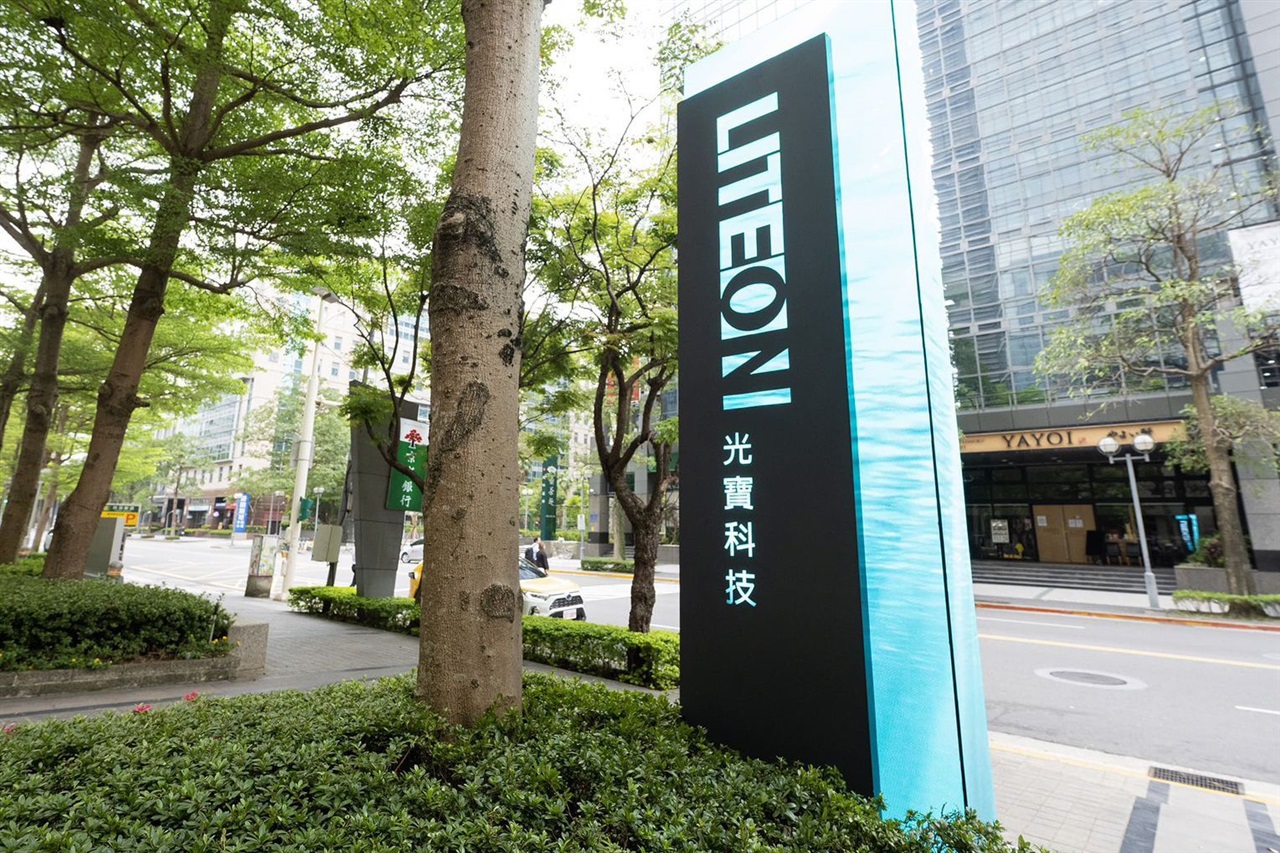
LITEON will showcase a cloud-to-edge AI infrastructure portfolio at COMPUTEX 2026, including a liquid-cooled 800 VDC Power Rack, a 110kW power shelf for NVIDIA Vera Rubin NVL72, and a 280kW in-rack CDU. The company is also highlighting 5G AI-RAN, open O-RU small cells, and smart city solutions through LEOTEK, signaling broader AI deployment across data centers, edge networking, and urban infrastructure. The announcement is strategic and supportive of the AI infrastructure theme, but appears to be a product showcase rather than a near-term financial catalyst.
The incremental bullish read is not on LITEON alone, but on the broader AI infrastructure stack shifting from chip-centric capex to system-level bottlenecks. That favors the vendor layer with credible power-delivery, liquid-cooling, and rack integration content, and it subtly extends the AI monetization window for NVDA because each new generation of accelerators now pulls more spend into adjacent thermal and power subsystems rather than collapsing into pure ASP competition. The second-order effect is that adoption at the deployment layer becomes less about compute scarcity and more about power density, grid interconnect, and commissioning speed — all areas where ecosystem partners with manufacturing depth in Taiwan can capture share.
The most relevant near-term market implication is that NVDA’s platform strategy gains optionality, but the better trade may be the picks-and-shovels suppliers exposed to high-voltage power and thermal management. If megawatt-scale racks become the default design point, the winners are firms that can ship validated reference architectures, while losers are slower, discrete-component vendors that lack integration credibility. A less obvious beneficiary is any upstream supplier tied to power electronics, liquid-cooling subsystems, and connectorization; a less obvious loser is traditional data center infrastructure players whose product cycles assume air-cooled, lower-density environments.
The contrarian angle is that this narrative may already be partially priced into the AI infrastructure complex, while execution risk remains high over the next 6-12 months. The technical challenge is not demand generation but field reliability, serviceability, and customer qualification, which often delay revenue conversion by 2-4 quarters after flashy product launches. If hyperscalers slow deployment to de-risk liquid cooling or if capex gets re-phased after initial pilot programs, the order-book enthusiasm could fade quickly even if the long-term thesis remains intact.
AI-powered research, real-time alerts, and portfolio analytics for institutional investors.
Request DemoOverall Sentiment
mildly positive
Sentiment Score
0.35
Ticker Sentiment
