
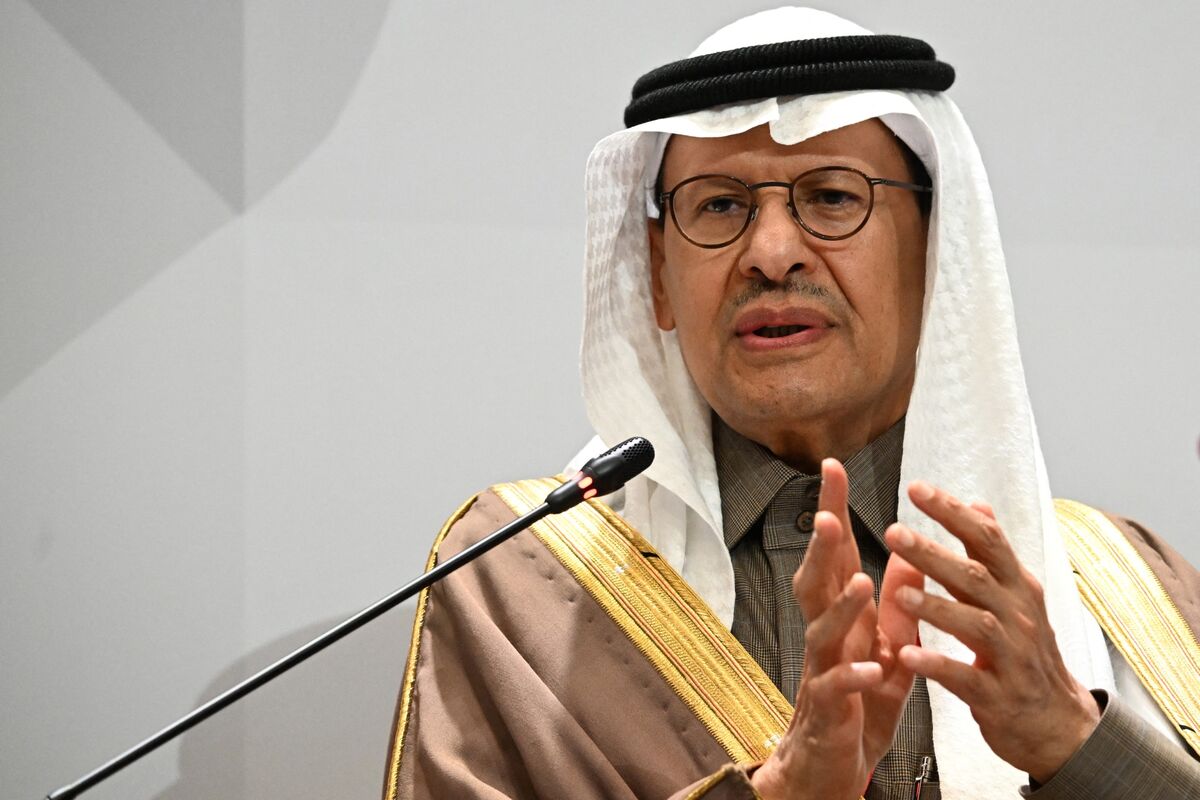
Saudi Energy Minister Prince Abdulaziz bin Salman was appointed minister of industry and mineral resources in addition to his energy role, expanding his portfolio and integrating the kingdom’s industry and minerals agenda. The appointment replaces Bandar Alkhorayef, who served since 2019, signaling a shift in leadership for Saudi industrial priorities. The news is largely structural with limited immediate quantifiable financial impact.
This is less a near-term earnings event than a governance signal: Saudi industrial policy is becoming more centralized around the same decision-maker that controls energy supply. That usually lowers coordination costs for megaprojects, but the first market effect is on expectations, not cash flow. The immediate beneficiaries are state-linked industrials and mining-linked capex chains; the cleaner second-order read-through is to equipment, EPC, and power-intensive infrastructure suppliers that get paid before any commodity volumes hit the market.
The bigger implication is competitive pressure on regional and global incumbents if Saudi Arabia pushes harder into downstream processing, fertilizers, metals, and mineral extraction with advantaged feedstock. That can compress margins for higher-cost producers in the Gulf, while supporting companies with exposure to mining machinery, electrification, and industrial build-out. The risk is that tighter control improves speed but worsens capital discipline; if this becomes politically driven allocation, returns on invested capital could disappoint even as headline project announcements accelerate.
Timing matters: over the next few days, the market may barely react; over 1-3 months, the catalyst is any concrete licensing, capex, or procurement announcement; over 6-18 months, the true test is whether new industrial capacity actually comes online. Consensus may be underestimating the policy continuity signal, but overestimating near-term monetization. If oil weakens materially or project awards stall, the thesis reverses quickly because this model depends on Saudi fiscal room and execution credibility.
AI-powered research, real-time alerts, and portfolio analytics for institutional investors.
Overall Sentiment
neutral
Sentiment Score
0.05
Ticker Sentiment
