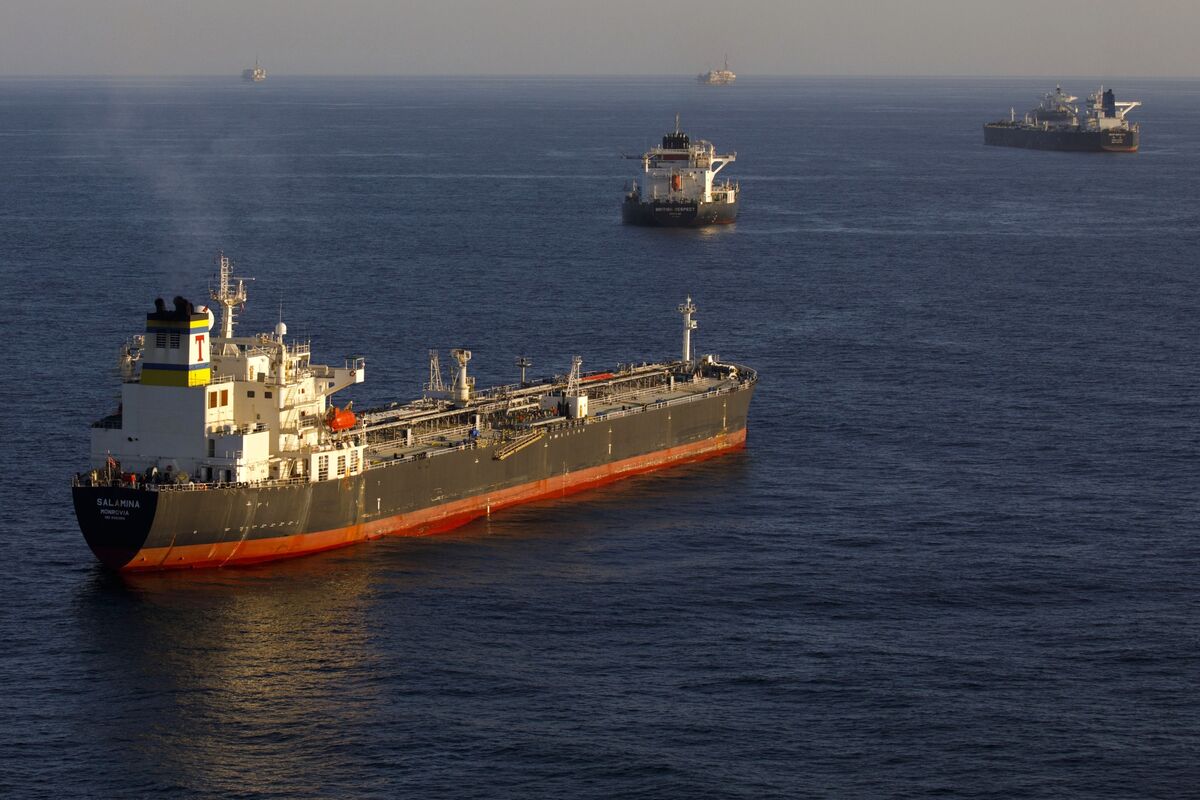
Freight rates to ship commodities worldwide are surging into year-end as conflicts, sanctions and swelling output disrupt supply lines: daily earnings to transport crude on key routes have risen 467%, while rates for LNG and cargos such as iron ore have increased more than fourfold and twofold, respectively. The move—atypical for the season—raises downside risks for supply chains, upside pressure on commodity prices and input inflation, and creates potential earnings upside for shipping operators amid tighter global logistics.
Market structure: The immediate winners are owners of tonnage (public dry‑bulk and tanker carriers) and LNG ship providers — pricing power has shifted to asset owners because sanctions, war‑risk zones and port rerouting permanently remove effective capacity while demand for seaborne flows (energy, iron ore) is rising. Importers and margin‑sensitive manufacturers/retailers are clear losers; higher freight behaves like a variable tariff that compresses US/EM consumer margins and raises delivered commodity costs by a definable, multi‑week lead time.
Risk assessment: Tail risks include a rapid geopolitical thaw that collapses war‑risk premiums (50–70% downside to charter rates within weeks), aggressive new sanctions that further fragment pools (prolonged upside), or an orderbook surge in 12–36 months that creates a booking bust. On 0–90 day, expect high volatility in Baltic indices and implied vols; on 3–18 months, credit spreads for healthy owners should tighten while weak operators face covenant stress if rates normalize below break‑even levels.
Trade implications: Direct tactical longs: high‑quality owners (drybulk/tanker/LNG) and miners with seaborne leverage; short import‑dependent retailers/SMID manufacturers. Use option structures to express directional view while capping downside and pair trades to neutralize commodity price moves (long shipping equity, short retail). Key monitors: Baltic Dry/BDTI >2,500 sustain longs; drop below 1,500 for 30 days triggers exits.
Contrarian angles: Consensus may underprice war‑risk insurance and crewing constraints that can keep rates elevated longer, but it may also overpay for short‑dated equity gains ahead of a 2026–27 newbuild wave. Historical parallels (2008 freight spike then crash) argue for size discipline, convex hedges and a 6–18 month re‑rate horizon rather than buy‑and‑hold without hedging.
AI-powered research, real-time alerts, and portfolio analytics for institutional investors.
Request DemoOverall Sentiment
moderately negative
Sentiment Score
-0.45
