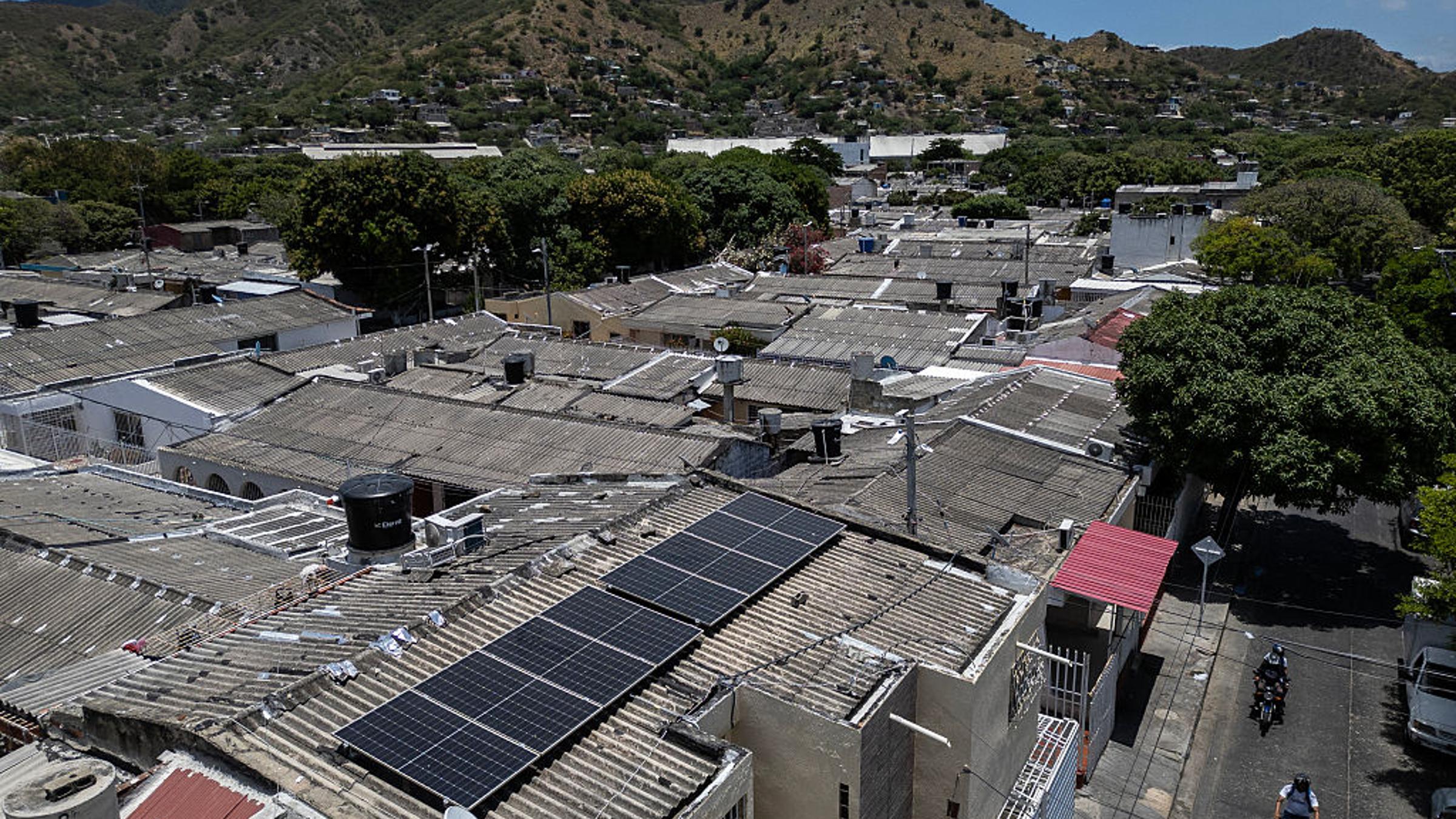
More than 50 countries are meeting in Colombia for the first international conference focused on phasing out fossil fuels, covering issues from renewable energy transition to mechanisms that reduce fossil-fuel dependence. The conference comes amid higher global oil and gas prices tied to war-related supply disruptions and aims to advance a Fossil Fuel Treaty within a year. While the event is politically significant for climate policy, near-term market impact is likely limited and mainly relevant to energy and clean-tech positioning.
This is less a direct market catalyst than an institutional signal that the policy center of gravity is shifting away from “net zero pledges” toward enforceable fossil-fuel restrictions. The second-order implication is that capital allocation risk rises for long-duration hydrocarbon projects, especially where permitting, financing, or sovereign support depends on multilateral legitimacy. That matters more for upstream and LNG developments with 5-10 year paybacks than for existing production, because the market will start discounting stranded-asset and policy-overhang risk even before any treaty exists.
The near-term market effect is actually mixed for energy equities: headline climate tightening is bearish for new supply growth, but persistent geopolitical supply shocks keep oil and gas prices high enough to defend cash flows. That combination tends to favor balance-sheet strength over growth exposure — integrated majors and low-cost producers can monetize elevated prices while avoiding the multiple compression that hits levered explorers and project developers. Clean power and electrification beneficiaries should see a steadier re-rating if policymakers pair rhetoric with procurement, grid, and subsidy commitments, but the real alpha is in names tied to system reliability rather than pure “green story” duration.
The biggest missing consensus point is that this kind of conference can accelerate fragmentation: countries that can coordinate outside COP may begin creating procurement clubs, trade preferences, and finance rules that gradually exclude high-carbon imports. If that happens, the losers are not just fossil producers but also equipment vendors and service firms exposed to stranded LNG terminals, offshore FIDs, and trade-sensitive carbon-intensive industrials. The main reversal risk is that absent the U.S., China, India, and Russia, the process remains symbolic; if national implementation stays weak over the next 6-12 months, the market will fade the headline and refocus on commodity tightness.
AI-powered research, real-time alerts, and portfolio analytics for institutional investors.
Request TrialOverall Sentiment
neutral
Sentiment Score
0.15
