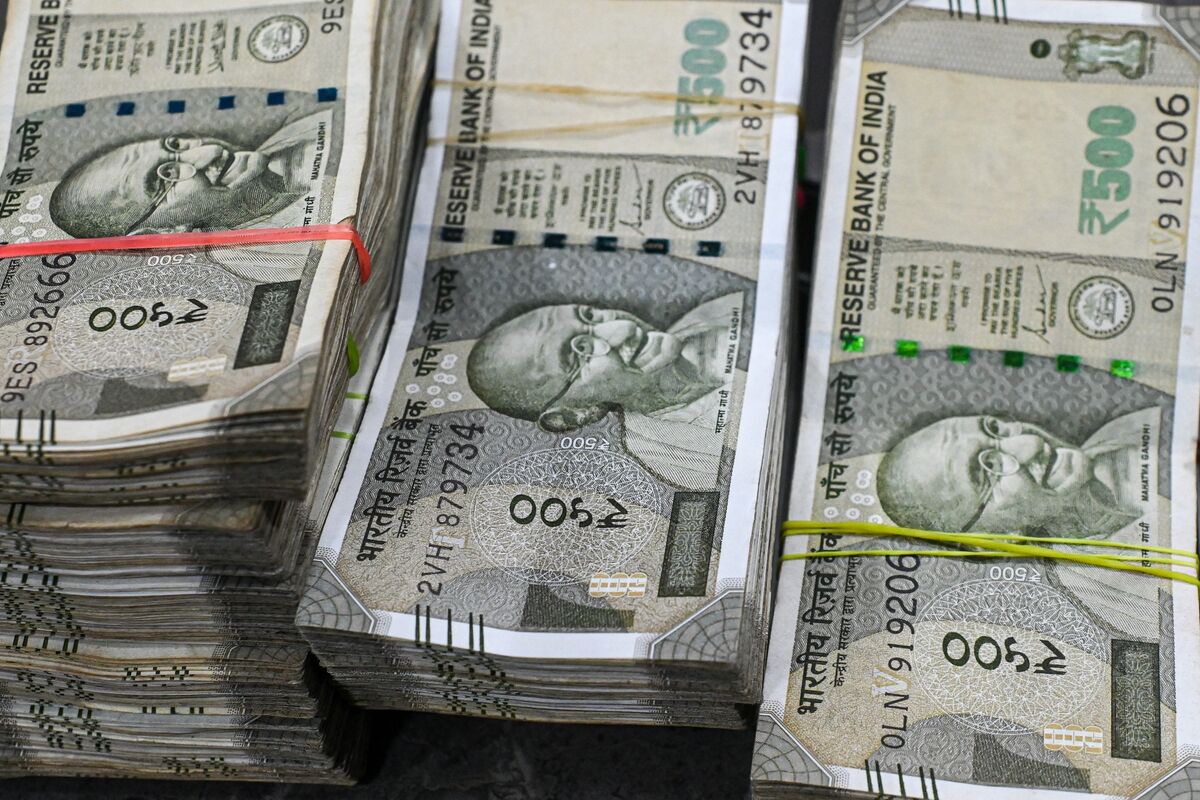
India’s rupee has fallen every year since 2018 and hit a series of all-time lows after US tariffs on Indian imports and the energy price shock tied to the Iran war. The central bank intervened aggressively in late March and early April to stabilize the currency, but the effort only briefly slowed the decline as dollars continued to flow out of the country. The piece highlights persistent FX pressure despite strong underlying economic growth.
The key market implication is not just FX weakness; it is a tightening of India's external funding constraint. Once a currency enters a one-way drift, corporates and local investors start preferring dollars for working capital and asset allocation, which creates a self-reinforcing bid for USD and can pressure domestic liquidity even if headline growth remains strong. That tends to hit the most levered, import-dependent parts of the market first: airlines, refining-heavy industrials, chemicals, and any business with USD debt but INR revenue. The central bank's aggressive defense likely bought time, not a regime change. Without a durable improvement in the balance of payments, rate hikes or reserve spending only slow the depreciation path; they do not reverse it. The highest-risk window is the next 1-3 months, when importers hedge more aggressively and foreign portfolio inflows tend to stay cautious; if the move becomes disorderly, India may have to choose between liquidity tightening and growth tolerance. The second-order winners are exporters with natural USD revenue and low import content: IT services, pharma, and select specialty manufacturers can see margin expansion even if topline growth is unchanged. More subtly, a weaker rupee can compress domestic consumption multiples because investors demand a higher discount rate for imported-inflation exposure, while global-capital-sensitive sectors underperform. The current move looks less like a benign competitiveness adjustment and more like a signal that India is being re-rated on external vulnerability, which can persist for several quarters unless oil falls, tariffs are rolled back, or capital inflows re-accelerate. Consensus may be underestimating how much of this is about portfolio flows rather than trade alone. If foreign investors keep reducing exposure to EM Asia or if global rates stay elevated, the rupee can overshoot fair value even with solid domestic growth. That creates opportunity for a tactical fade in the most protected exporters only after the currency stabilizes; until then, the better trade is to lean into the crowded pain in domestic INR-sensitive exposures.
AI-powered research, real-time alerts, and portfolio analytics for institutional investors.
Request DemoOverall Sentiment
moderately negative
Sentiment Score
-0.40
