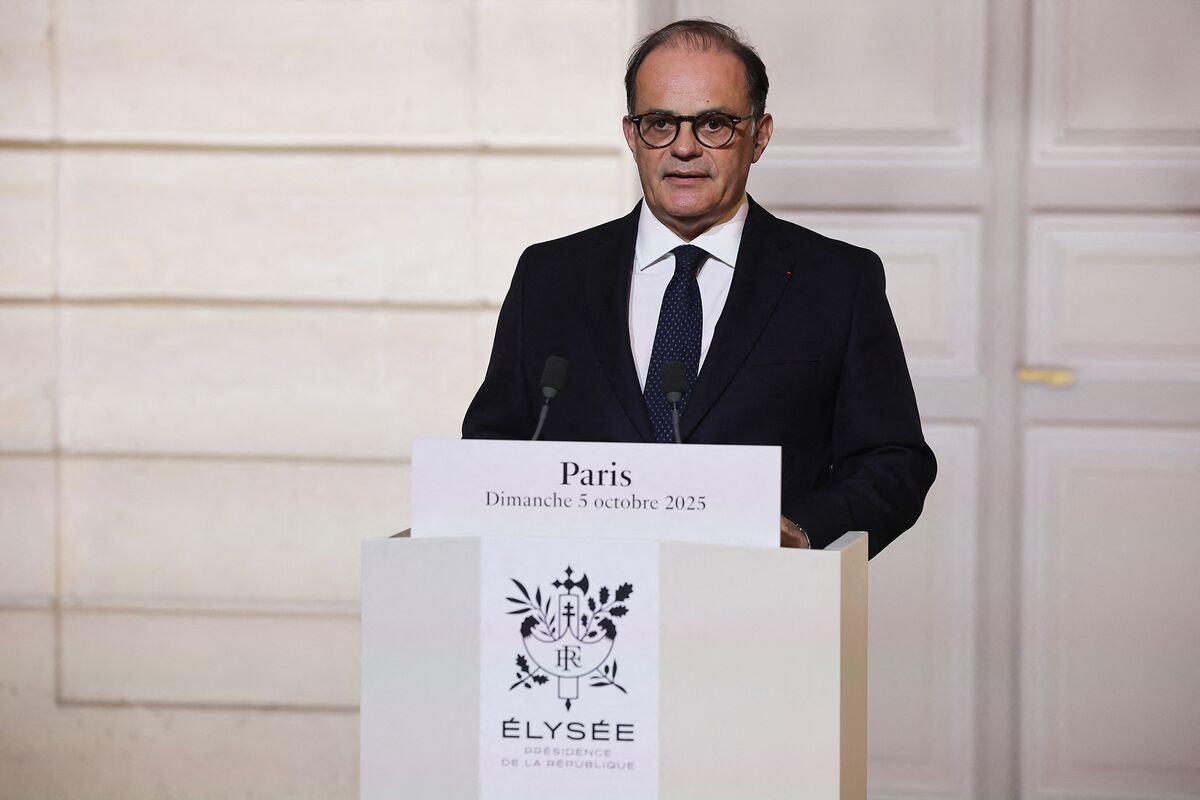
Emmanuel Macron will name Emmanuel Moulin, one of his closest advisers, as governor of the Bank of France, prompting concern over political backlash from lawmakers. The nomination underscores governance and central-bank independence issues rather than an immediate policy shift. Market impact should be limited unless the appointment signals a change in the bank’s policy stance.
This is less about near-term monetary policy and more about institutional credibility: markets will likely treat a politically adjacent appointment as a modest but persistent increase in policy-risk premium. The immediate loser is not French sovereign debt per se, but the perceived independence of the ECB’s peripheral support architecture if investors start pricing a more politicized Banque de France voice inside the Governing Council. That matters most in stress windows, when marginal credibility can widen OAT-Bund spreads faster than fundamentals would justify.
The second-order effect is on French duration and domestic banks. If the appointment is read as signaling tighter political control over future fiscal-financial coordination, French banks could benefit from a flatter domestic curve and stronger carry in the near term, but they also become more exposed to any repricing of sovereign risk because of their OAT holdings. The more interesting trade is cross-market: if France-specific premium widens while euro-area macro data stay soft, Bunds can outperform OATs even without a material growth shock.
Catalyst timing is likely measured in weeks to months, not days. The market will care most about whether lawmakers force a public fight, whether the nominee’s early messaging emphasizes independence, and whether the ECB line on fragmentation support is echoed or diluted. If the backlash is muted, the move will fade; if opposition hardens into a governance narrative, it can linger into next year’s broader election cycle and keep French assets cheap.
The contrarian view is that investors may overestimate the practical impact of a central-bank appointment relative to the ECB’s dominance over euro rates. Unless this becomes a broader confrontation about institutional capture, the real effect may be a small, tradable spread widening rather than a regime shift. That makes this a better relative-value event than an outright macro short.
AI-powered research, real-time alerts, and portfolio analytics for institutional investors.
Request DemoOverall Sentiment
neutral
Sentiment Score
-0.10
