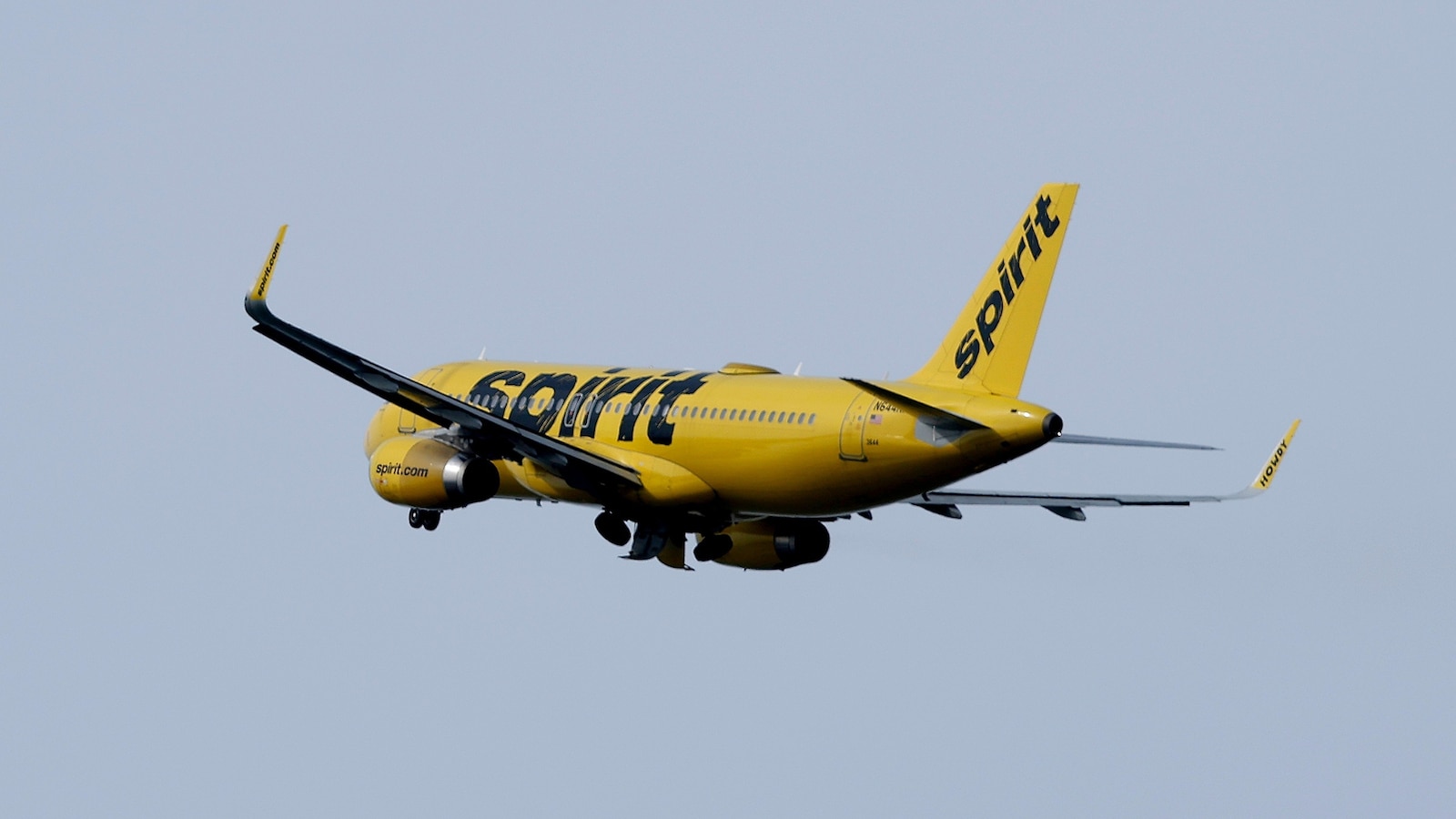
Spirit Airlines is reportedly at risk of liquidation after a second bankruptcy filing and pressure from soaring jet fuel costs, with debt and lease obligations said to be reduced from $7.4 billion pre-filing to about $2 billion post-emergence if restructuring succeeds. If liquidation occurs, future tickets would likely be worthless, while planes, gates, and landing rights would be sold to creditors and competing carriers. The potential exit of Spirit would reduce ultra-low-cost competition and likely lift fares for price-sensitive travelers.
A Spirit liquidation would be less about one airline disappearing and more about a sudden re-pricing of ultra-low-cost capacity across the domestic leisure network. The first-order winner is every carrier that can absorb narrowbody capacity into dense leisure markets: the real opportunity is not just higher fares, but better ancillary pricing because Spirit has acted as the marginal price setter on routes where price-sensitive demand is largest. The second-order effect is strongest at airports with constrained gates and high traffic concentration; once those slots are reallocated, incumbents can defend higher yields for several quarters before new competitive capacity is rebuilt.
The market is likely underestimating how quickly this could ripple into unit revenues for the lowest-end peers. Allegiant and Frontier are the obvious competitive comparables, but the cleaner expression is airlines with meaningful exposure to domestic leisure and strong balance sheets: they can selectively add capacity only where margins are highest, while letting fares reset upward elsewhere. A liquidation also creates a one-time but material asset overhang in the aircraft and engine leasing market, which could soften lease rates for older A320-family jets over 6-12 months even as airline equity prices react positively to removed capacity.
The key catalyst window is days, not months: the equity move would come on confirmation of financing failure or court-led shutdown, while the bond market will likely front-run distress sooner via recoveries. The contrarian risk is that a going-concern sale or rescue financing delays the real supply shock, leaving the market to overprice a full liquidation. If fuel retraces meaningfully or a white knight acquires the asset base, the bearish Spirit-specific thesis weakens, but even that outcome still removes some discount capacity from the market and keeps industry pricing firmer than consensus may expect.
AI-powered research, real-time alerts, and portfolio analytics for institutional investors.
Request DemoOverall Sentiment
extremely negative
Sentiment Score
-0.88
