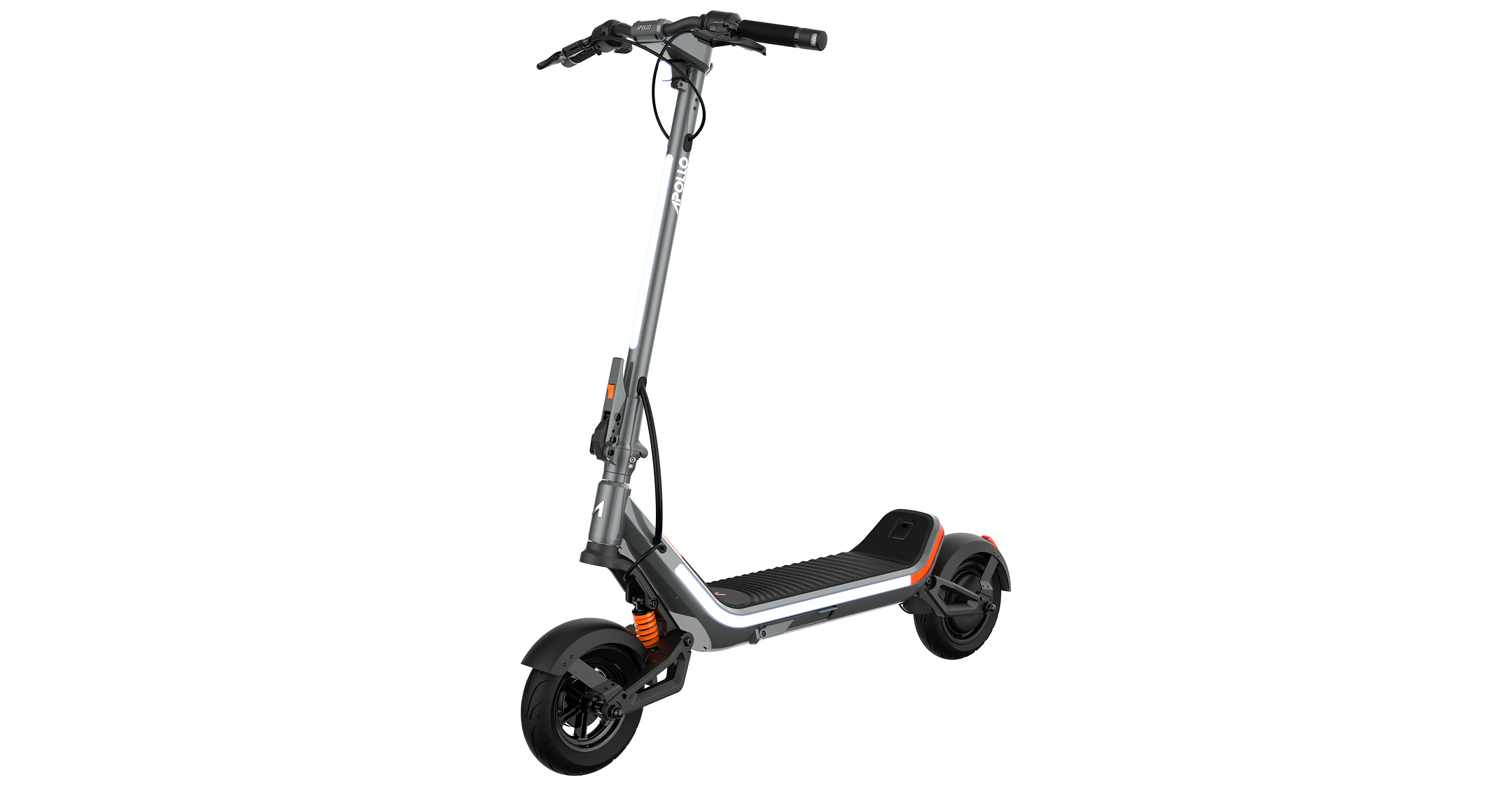
Apollo Scooters opened pre-orders for its rebuilt best-selling commuter models, the City 2.0 and City Stellar, with shipping expected in Q4 2026. The City 2.0 offers a single 1,900W peak motor, 864Wh battery and up to 40 miles range at a $1,449 pre-order price (MSRP $1,749), while the City Stellar adds dual motors (1,200W x 2 peak), 37-mile range and a $1,599 pre-order price (MSRP $1,999). Both include the full Apollo Signature feature set (e.g., NFC unlock and Apple Find My), supporting demand for mainstream commuter E-scooters.
This is more of a demand-quality test than a revenue event: pre-orders today do not tell us much until Q4 ship rates, cancellation rates, and warranty/service utilization show up. The pricing suggests Apollo is pushing up-market, which can support gross margin if conversion holds, but it also narrows the addressable market and makes the product more sensitive to consumer confidence and financing friction. For public equities, the direct read-through is essentially zero; the only named ecosystem beneficiary is AAPL, and even there the Find My/NFC angle is an ecosystem stickiness increment, not a material unit-driver.
Competitive dynamics matter more than the launch itself. A premium commuter scooter with a real service network and warranty is aimed at taking share from lower-trust DTC imports and generic marketplace brands, where post-sale support is weak; the second-order effect is pressure on rivals’ return rates, insurance claims, and reseller economics, not just MSRP competition. The bigger structural substitute is the e-bike segment: if Apollo can make scooters feel more reliable and less disposable, it can slow some conversion to bikes, but that is a multi-quarter narrative at best. The contrarian risk is that the headline product features overstate true willingness to pay—heavy form factor, maintenance, and urban theft risk are still adoption brakes. If preorder conversion is soft or cancellations are elevated, the market will quickly reprice this as marketing rather than momentum.
AI-powered research, real-time alerts, and portfolio analytics for institutional investors.
Overall Sentiment
mildly positive
Sentiment Score
0.15
Ticker Sentiment
