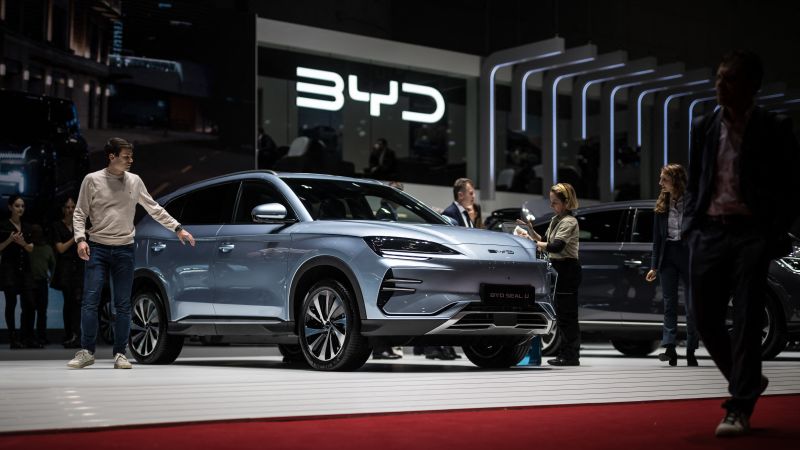
China's electric vehicle sector is grappling with severe overcapacity and intense price wars, exemplified by the collapse of startups like Ji Yue and a plunge in average profit margins to 4.3%, significantly straining manufacturers and their supply chains. Beijing, having previously fueled the boom with subsidies, is now attempting to address this 'disorderly competition' and 'involution' through measures such as discouraging price wars and mandating shorter payment terms. However, experts remain skeptical, noting that structural reforms are challenging and that efforts to reduce excess capacity risk social instability, suggesting the brutal competition will persist until only a few major players survive.
China's electric vehicle sector is experiencing a severe and protracted consolidation phase marked by excessive overcapacity and ruinous price wars, a situation the government terms 'disorderly competition.' The collapse of the Baidu-Geely joint venture, Ji Yue, exemplifies the extreme volatility, where even ventures with strong backing and initial sales growth can fail rapidly. Industry-wide profitability has been decimated, with average margins falling to 4.3% from nearly 8% in 2017, while manufacturing capacity utilization stands at a deeply inefficient 50%, according to Morningstar. This pressure is cascading through the supply chain, forcing parts makers to accept significant annual price cuts, extended payment terms, and in some cases, sell below cost, which in turn risks eroding product quality. While Beijing has initiated measures to curb this 'involution,' such as mandating 60-day payment cycles and warning against price wars, expert consensus suggests these efforts will be insufficient. The fundamental dilemma is that aggressive capacity reduction could trigger job losses and social instability, while automakers can engage in 'stealth competition' by launching cheaper models or enhancing features without price changes. The outlook, supported by commentary from executives like Xpeng's CEO, points to several more years of 'knock-out rounds' until only a handful of dominant players remain.
AI-powered research, real-time alerts, and portfolio analytics for institutional investors.
Overall Sentiment
strongly negative
Sentiment Score
-0.70
Ticker Sentiment
