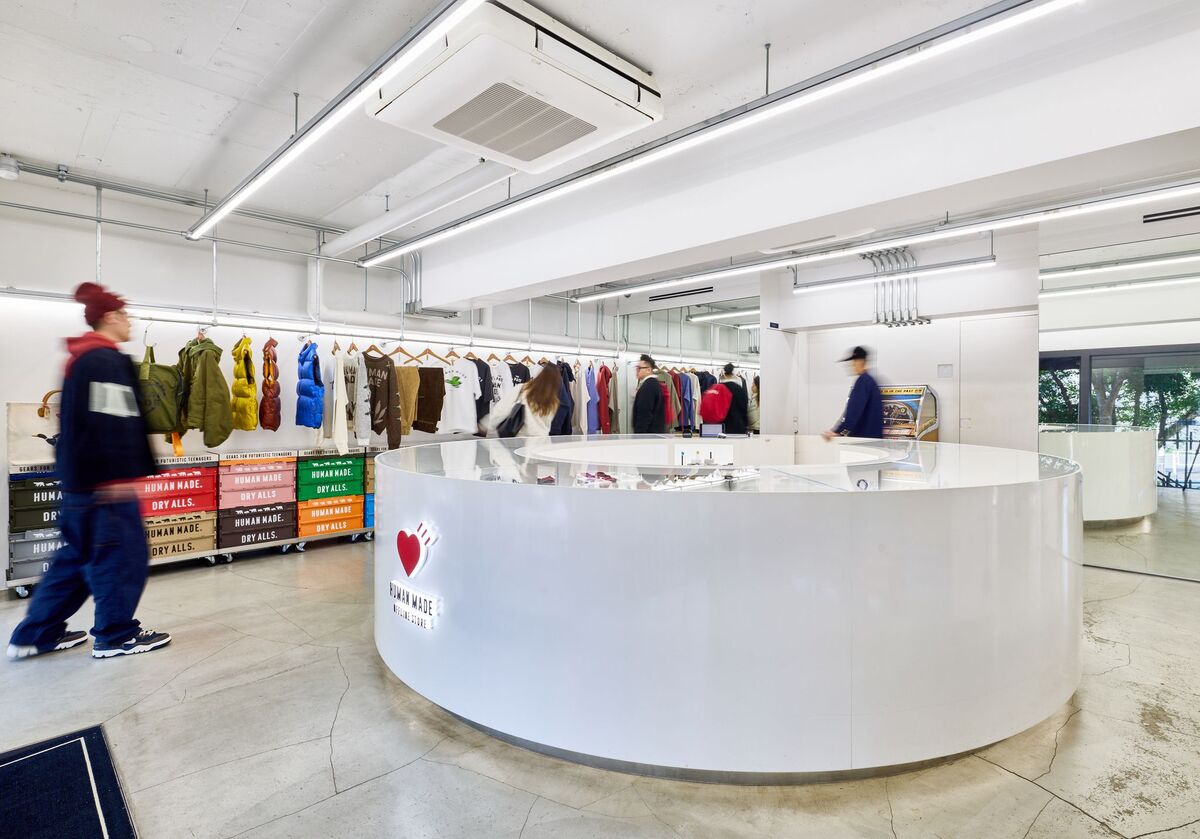
Human Made Inc., fresh from its market debut, is using newly raised capital to broaden its geographic footprint and reduce reliance on China amid rising Tokyo-Beijing tensions. The Japanese fashion label plans flagship stores in Tokyo and Osaka within two years, will add partner outlets in Seoul and Bangkok, and continues expansion efforts in China and the US — a strategic shift that signals management prioritizing diversification and revenue scaling while mitigating geopolitical concentration risk.
Market structure: Japanese labels broadening away from China benefit multi‑market operators, mall landlords in Tokyo/Osaka and regional wholesale partners in Korea/SE Asia; pure‑play China apparel retailers and low‑margin contract manufacturers will be most exposed to demand/geopolitical concentration risk. Pricing power shifts toward scale brands that can re‑route inventory and demand across markets; smaller brands face margin compression as they pay higher logistics/dual‑sourcing costs (estimate 3–7% margin hit for mid‑tier players over 12–18 months). Cross‑asset: a geopolitical uptick would likely compress Chinese consumer equities by 5–15% and push JPY stronger vs USD (2–4% moves) while lowering 10y JGB yields (10–30bps) as safe‑haven flows increase.
Risk assessment: Tail risks include a rapid China consumer boycott or formal trade restrictions targeting Japanese retail (low probability but >10% revenue impairment for exposed names in 6–12 months), and operational disruption from dual‑sourcing (inventory writeoffs if re‑routing fails). Immediate (days): sentiment swings on headlines; short‑term (weeks/months): store opening cadence and tourist flows; long‑term (quarters/years): structural reallocation of capex and supply chains. Hidden dependencies include RMB liquidity for cross‑border stores, local partner credit risk in SE Asia, and real estate lease renegotiations that can amplify margin movements.
Trade implications: Prefer long exposure to large, diversified Japanese retailers with omni‑channel scale and mall‑ownership optionality and underweight/short China‑centric apparel names; expect idiosyncratic alpha from pair trades (Japan long / China short) over 3–12 months. Option volatility should rise for China discretionary names — buy protection (puts or put spreads) rather than naked shorts to limit tail losses. Monitor monthly tourism and same‑store sales prints and bilateral diplomatic calendar as 30–90 day catalysts.
Contrarian angles: Consensus underestimates that fragmentation favors global scale players (not local champions) because higher unit logistics/sourcing costs create barriers to entry; the market may over‑discount Japanese retail exposure to China — historical parallels (post‑2010 tensions) show demand shocks are often front‑loaded and reverse within 12–24 months. Unintended consequence: faster consolidation opportunities for well‑capitalized players; if Japan‑China tensions normalize, China‑centric names could rebound 20–40% quickly, so hedged or asymmetric longs are preferable.
AI-powered research, real-time alerts, and portfolio analytics for institutional investors.
Request DemoOverall Sentiment
mildly positive
Sentiment Score
0.25
