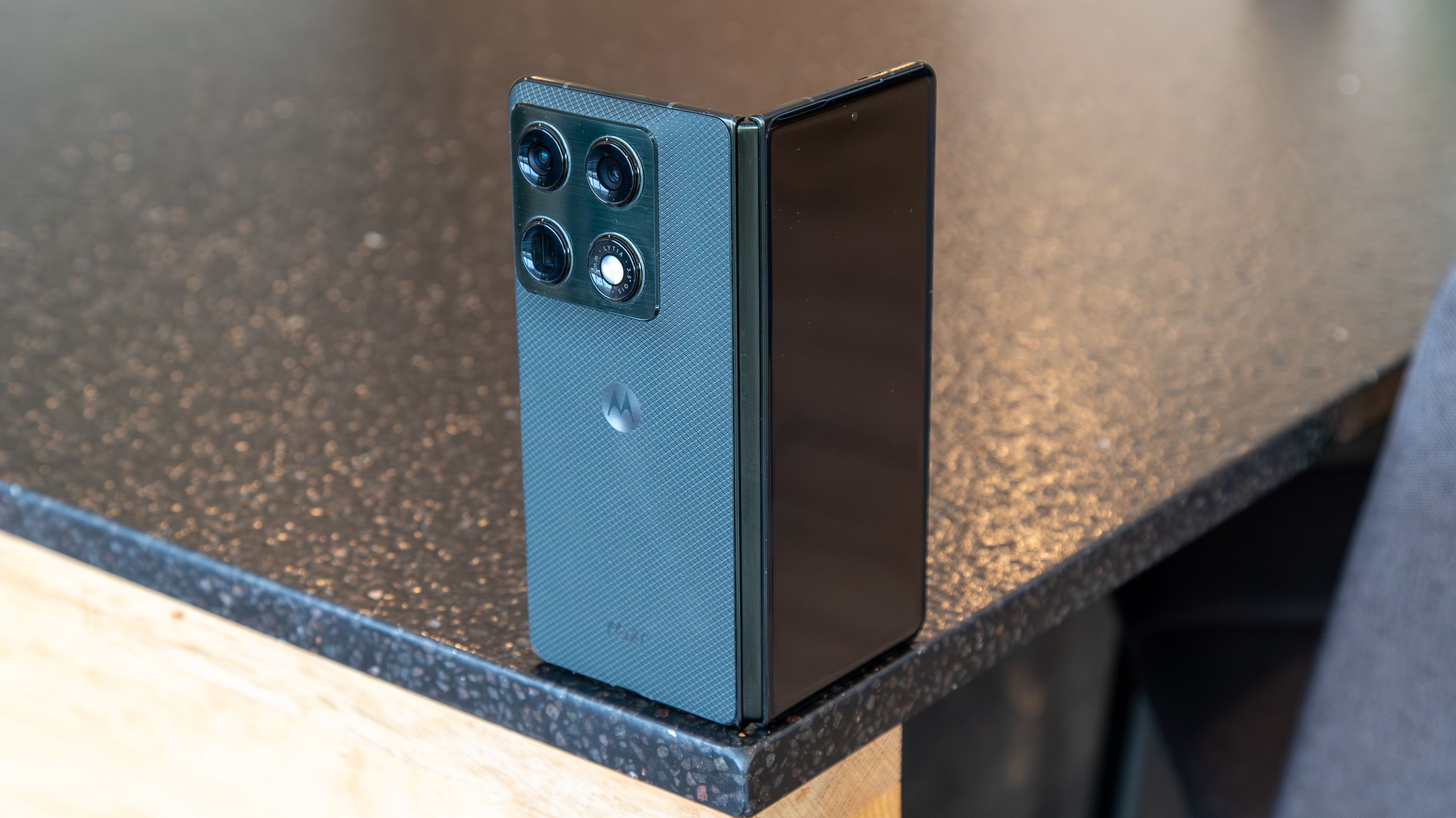
Motorola's Razr Fold launches with 80W wired charging, 50W wireless charging, and 5W reverse wireless charging, backed by a 6,000mAh silicon-carbon battery. The article frames the device as a premium, well-rounded foldable with top-tier specs, long battery life, and fast charging. Impact is limited as this is product commentary rather than a financial or earnings event.
This is less about one handset and more about the next phase of foldables: battery anxiety is being solved before hinge anxiety, which changes the purchase calculus. If Motorola can make a large-format foldable feel like a normal all-day device with genuinely fast replenishment, the category stops being a niche spec contest and starts competing on daily habit formation. That is a subtle but important shift because usage intensity is what drives accessory attach, carrier promotion, and eventual replacement cycles.
The second-order winner is likely the surrounding ecosystem: charger, cable, case, and power-bank vendors that can monetize premium-device buyers who now expect higher-wattage accessories to unlock advertised performance. For competitors, the pressure is not just on battery capacity but on thermal design and charging architecture; if rivals cannot match charge times without adding thickness or heat, they risk being compared on friction rather than foldable novelty. That tends to favor brands with stronger power-management IP and supply-chain coordination around battery cells, PMICs, and adapter bundles.
The contrarian risk is that ultra-fast charging can be more marketing-visible than behavior-changing. Many users still top up overnight or at desks, so the incremental value may be overestimated outside power users, reducing the immediate demand elasticity for premium-priced foldables. Another risk is durability: if consumers associate very fast charging with accelerated battery degradation or thermal throttling, the feature could become a support-cost issue and widen the gap between early adopters and mainstream buyers over the next 6-18 months.
From a market angle, this is mildly positive for Android premium hardware broadly, but the trade is better expressed through picks-and-shovels than handset OEM beta. The most attractive setup is a basket that benefits from premium device mix and accessory monetization rather than a single-name directional bet. Near term, the catalyst is review-driven demand and carrier merchandising over the next 1-2 quarters; the reversal risk is competing launches that match the spec sheet at lower price points.
AI-powered research, real-time alerts, and portfolio analytics for institutional investors.
Request DemoOverall Sentiment
mildly positive
Sentiment Score
0.35
