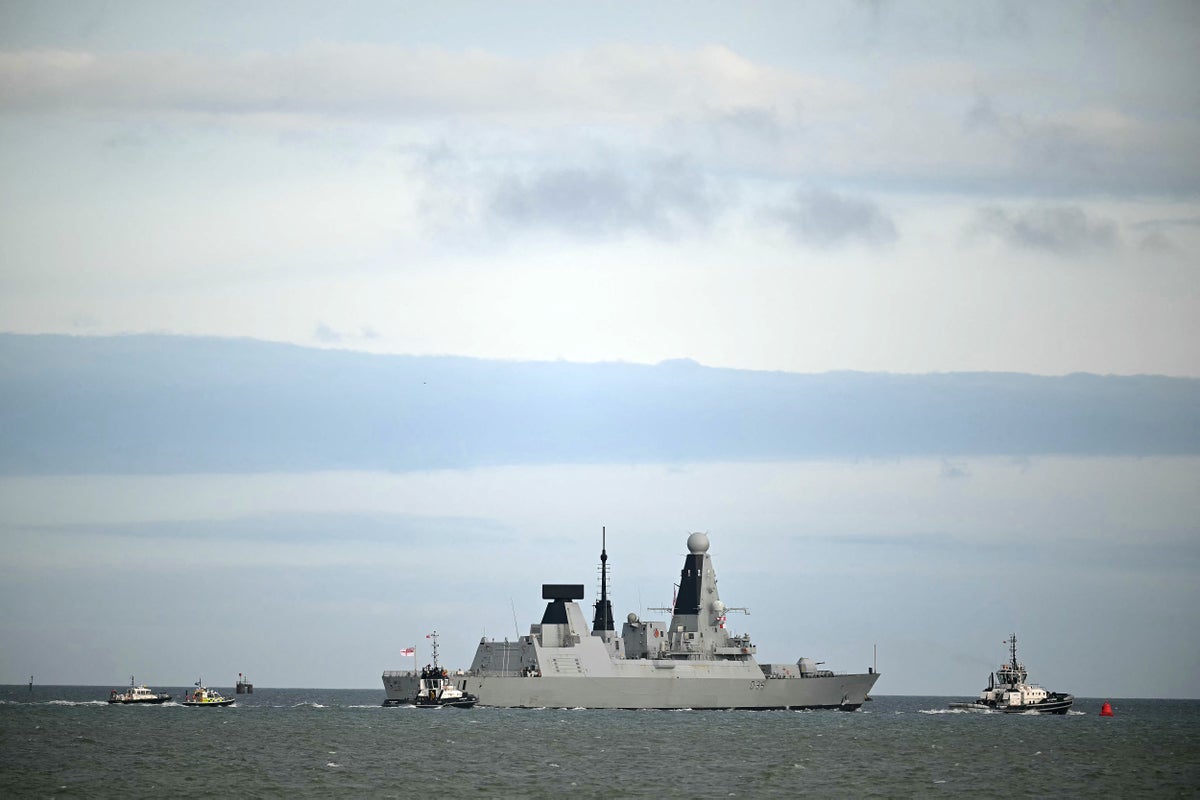
Tensions between the U.S. and Iran remain elevated, with Tehran warning of a "heavy assault" on U.S. assets in the Middle East if ships are attacked, while Trump says Washington is awaiting Tehran's response to a ceasefire proposal. The Strait of Hormuz remains a key flashpoint: the UK is redeploying HMS Dragon, a Qatari LNG tanker is reportedly transiting the strait, and a bulk carrier near Qatar was hit by an unknown projectile. The conflict is also affecting regional security and energy flows, with a U.S. blockade, tanker strikes, and intelligence suggesting Iran could withstand the pressure for 3-4 months.
The market is underpricing the distinction between headline de-escalation and operational de-risking. Even if a ceasefire framework emerges, the shipping risk premium will not vanish quickly because insurers, charterers, and port operators price incident probability on verification, not rhetoric; that means elevated freight and war-risk premia can persist for weeks after diplomacy improves. The immediate beneficiaries are the infrastructure layers around the chokepoint — naval support contractors, maritime security, satellite surveillance, and select defense systems — rather than broad defense primes.
Energy is more asymmetric than the spot crude move suggests. The key second-order effect is not just fewer barrels flowing, but a higher probability of temporary routing inefficiency, increased tanker dwell time, and precautionary inventory builds across Asia and Europe, which can tighten middle-distillate markets even if crude itself retraces. That supports refiners and shipping insurers only if the market remains in a “managed risk” regime; a single successful strike on a commercial vessel would reprice the entire corridor instantly.
The contrarian view is that the blockade narrative may already be forcing a demand response faster than supply is impaired: industrial users in the region, airlines, and LNG buyers can hedge, defer, or reroute, capping the upside in headline energy prices. The bigger medium-term risk is not a sustained shock to oil, but a policy pivot that restores flows and crushes the war premium while leaving the market overpositioned long vol. If talks progress, the unwind could be sharper than the initial spike because speculative length is built on tail-risk, not fundamentals.
AI-powered research, real-time alerts, and portfolio analytics for institutional investors.
Request DemoOverall Sentiment
strongly negative
Sentiment Score
-0.72
Ticker Sentiment
