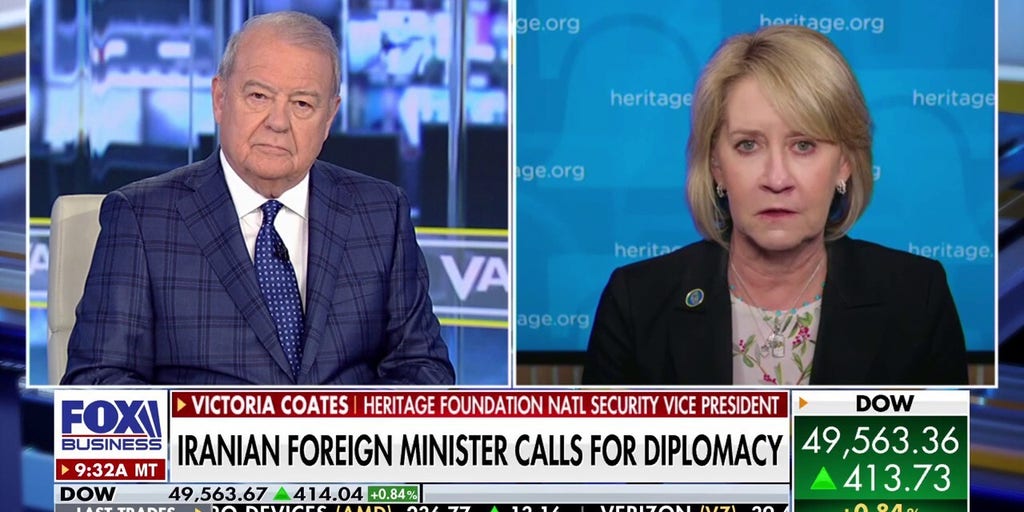
The text is purely a TV programming schedule listing show titles and times for Fox Business and Fox News channels (e.g., The Evening Edit, The Bottom Line, The Five, Special Report) and contains no financial data, economic indicators, corporate results, or policy information. There is no content that provides actionable information for markets or investment decisions.
Market structure: The apparent absence of fresh, market-moving news suggests near-term compression in information-driven dispersion; implied volatility (VIX) is likely to drift 10–25% lower over the next 2–6 weeks absent macro surprises, which benefits liquidity providers, passive ETFs (SPY, QQQ) and carry strategies. Winners: long-duration, low-volatility sectors (XLU, utilities; TLT) and options premium sellers; losers: high-beta small caps (IWM) and event-driven special situations that rely on news flow. Cross-asset: muted equity moves should keep FX rangebound (USD neutral) and commodities steady, with gold (GLD) acting as an asymmetric hedge if risk re-prices.
Risk assessment: Tail risks remain asymmetric — a sudden Fed comment, CPI miss, or geopolitical shock could spike VIX >18–25 within days; plan for a 10–15% S&P drawdown as a low-probability tail within 3 months. Hidden dependencies include concentrated retail options gamma and ETF liquidity; if gamma flips, small moves can cascade. Catalysts to watch in the next 30–60 days: payrolls, CPI, Fed minutes, and large option expiries (OPEX) that could amplify moves.
Trade implications: In a low-news environment favor income and defined-risk directional trades: sell short-dated premium (30–45 days) if VIX <14 with iron-condor structures, and hold small, cost-controlled long exposure to growth via 3-month call spreads (SPY/QQQ). Allocate 1–3% to duration (TLT) on any >20–30bp yield pullback, and keep a 0.5–1% portfolio tail hedge via 6-month 5–7.5% OTM SPY puts. Use pair trades (long XLU, short XLY) to exploit sector risk-off if volatility compresses further.
Contrarian angles: Consensus complacency is the primary mispricing — option sellers may be underpricing weekend/geopolitical jumps and concentrated dealer gamma; buying cheap deep OTM puts (small size) is asymmetric protection. Conversely, momentum names have become crowded; consider shorting the most short-term stretched names (2–4% positions in IWM-sized shorts) if intra-week breadth collapses. Historical parallels: quiet summers have been followed by quick repricing once macro data returns; position sizes should be capped and trigger-based.
AI-powered research, real-time alerts, and portfolio analytics for institutional investors.
Request DemoOverall Sentiment
neutral
Sentiment Score
0.00
