
Mill Valley homeowner aims to get ahead of AI by selling his estate for equity in Anthropic
Source: CBS News
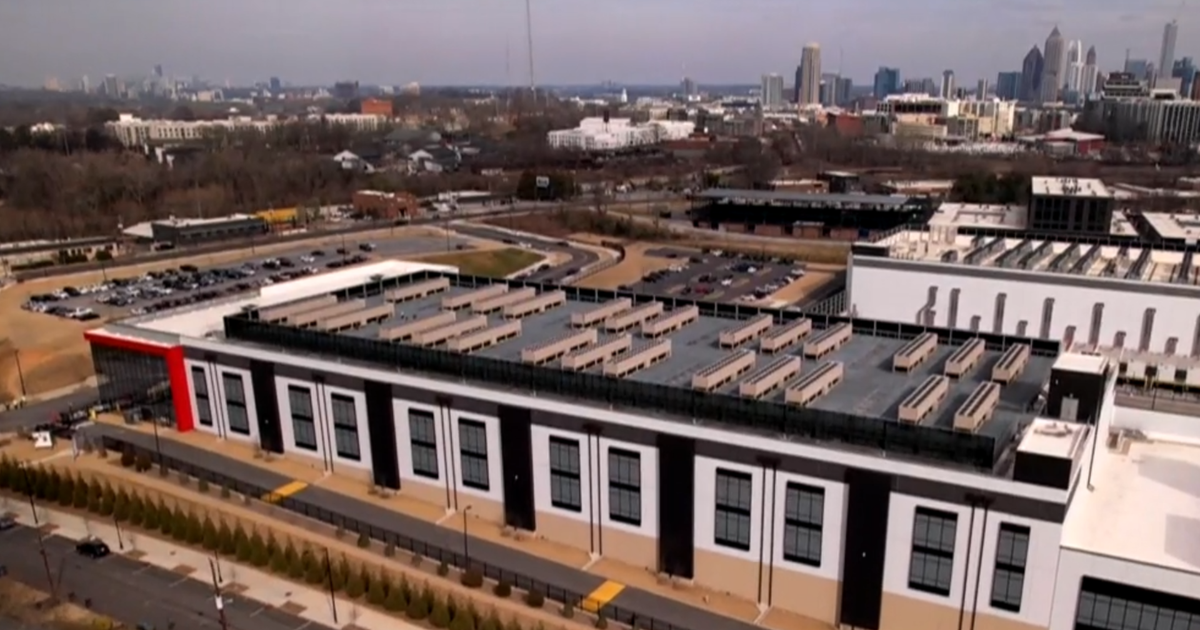
A Mill Valley estate priced at about $8 million is being listed for equity in Anthropic rather than cash, highlighting a novel attempt to swap real estate for private AI-company stock. The seller says he feels underexposed to AI and overexposed to real estate, while market participants note title, tax, and liquidity complications in executing such a trade. No serious buyers have emerged yet, though there are ongoing conversations and the concept could appeal to Anthropic employees seeking diversification.
Analysis
The immediate market signal is not about a single house-for-stock transaction; it is about the growing willingness of insiders and early employees to monetize concentration risk before a liquidity event. That matters because private-company wealth is increasingly behaving like a quasi-public asset class: once one sale is plausibly executed, it creates a reference price for secondary trading, collateralization, and tax planning across the employee base. The second-order winner is any firm that sits between private equity stakes and real assets—custody, wealth advisory, and structured-liquidity platforms—because they can package what is currently an idiosyncratic one-off into a repeatable product.
For COMP specifically, this is a sentiment catalyst with a dual edge. It reinforces scarcity value and signaling around the name, but it also highlights a latent overhang: as private-market paper becomes more liquid, employees are more likely to de-risk into housing, taxes, or diversification rather than wait for a binary IPO window. That can suppress incremental insider conviction in the 6-12 month period if there is no public listing, especially if the implied mark is already stretched. The bigger risk is not that a homeowner trades a property for equity; it is that the market starts to treat that equity as a transferable medium of exchange, which increases dispersion between headline valuation and executable liquidity.
The contrarian read is that this is closer to a late-cycle wealth effect than a fresh demand wave. People do not barter assets for exposure when they expect rapid multiple expansion; they do it when they feel the need to rebalance before the music stops. If Anthropic stays private for another 9-18 months, the trade becomes less about upside optionality and more about who is left holding concentrated paper through a tougher secondary market. Conversely, an IPO within 12 months would validate the thesis and compress any scarcity premium in private transfers.
The broader real-estate implication is that trophy assets in AI-adjacent geographies may increasingly trade at a liquidity discount to public-market equivalents, because sellers will accept mark-to-model paper only if they believe the equity can clear quickly and at a higher after-tax value. That creates a small but real behavioral bridge between housing prices and private-tech volatility: if private valuations wobble, marginal bid for high-end homes may soften first among concentrated tech holders rather than the general market.
AllMind Terminal
AI-powered research, real-time alerts, and portfolio analytics for institutional investors.
Request TrialMarket Sentiment
Overall Sentiment
neutral
Sentiment Score
0.15
Ticker Sentiment
Key Decisions for Investors
- Maintain a tactical long bias in COMP on any private-market liquidity headlines, but only as a short-dated momentum trade: 4-8 week horizon, use tight stops if IPO timing slips beyond 2 quarters because the narrative premium can fade quickly.
- Pair trade: long publicly listed AI beneficiaries with near-term monetization visibility vs short high-duration private AI exposure proxies; if no direct short is available, express through option collars on AI sentiment baskets to isolate the liquidity-event premium.
- Consider a small long in luxury housing-linked names or home-services exposure only if you expect copycat transactions to broaden; otherwise fade the idea—this is more a wealth-concentration story than a housing-demand catalyst.
- If you have access to private secondary or structured credit platforms, look for opportunities tied to employee-liquidity solutions over 6-12 months; these are the cleanest beneficiaries if this becomes a template rather than a one-off.
- Watch for an IPO filing or formal secondary tender within 90 days; that would be the trigger to trim any speculative long in COMP, as the trade would shift from scarcity premium to valuation scrutiny.
More News
- Philip R. Lane: Interview with Le Temps
- US, China Talks Focus on Trade, AI, Investment
- Alibaba shares jump as new AI chip, data center buildout plans unveiled
- Bitcoin surges past $85k as Strategy buys more coins
- Alibaba Cloud plans six-year stroll to 20GW of datacenters, reveals chip to power them
- Jamie Dimon says hyperscaler AI spending could hit $1 trillion next year