

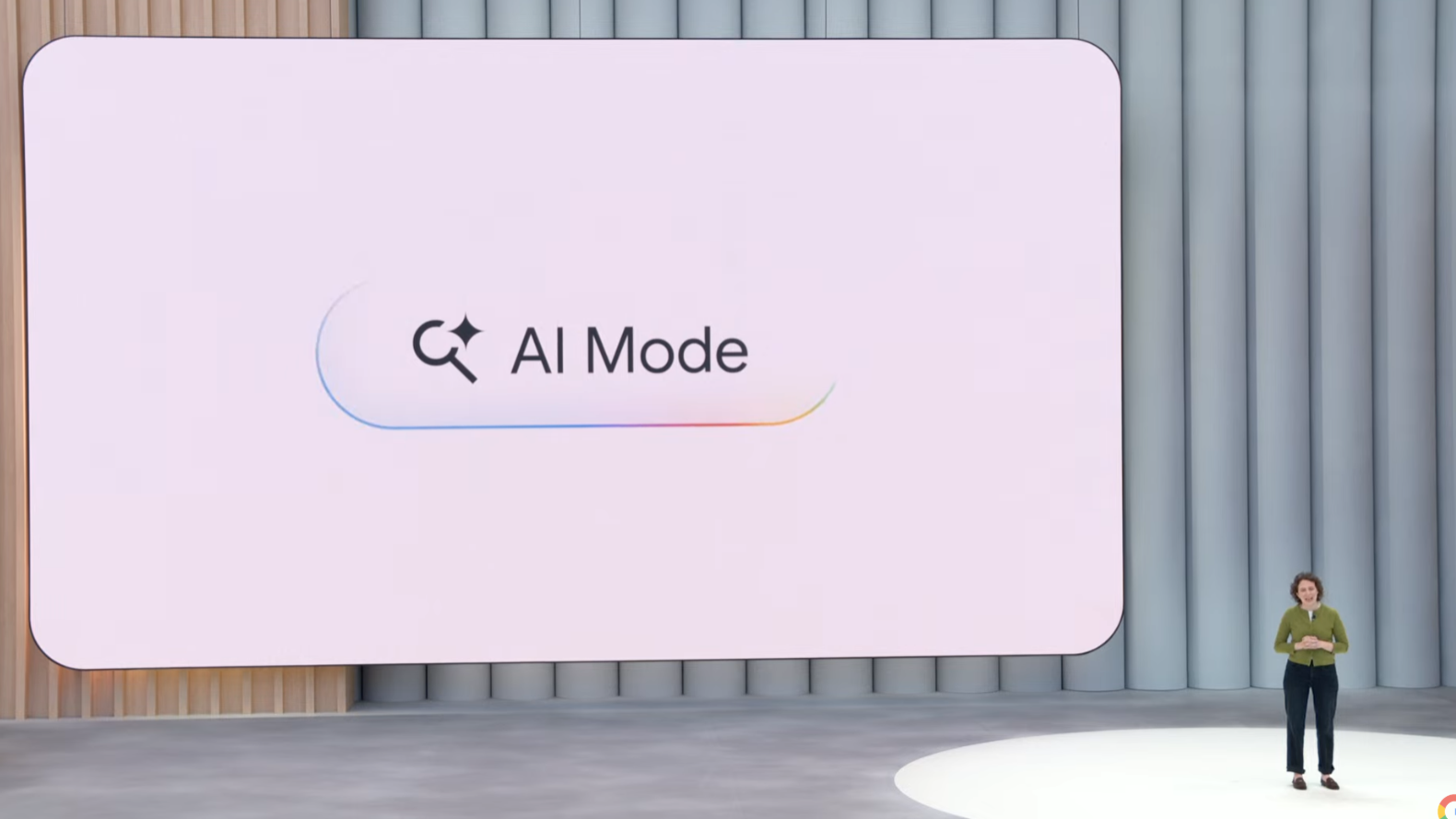
Google is rolling out 'Canvas in AI Mode' to U.S. English users starting Mar. 4, integrating its Canvas feature with Gemini to enable drafting documents, building interactive tools, and inspecting and editing generated code within Search's AI Mode. The prototype reportedly pulls up-to-date web search and Knowledge Graph data, can export to Google Docs where appropriate, and was showcased as capable of producing web apps at I/O 2025; the update may modestly boost user engagement and developer adoption but is unlikely to have material near-term financial impact on Alphabet.
Market Structure: Google (GOOGL/GOOG) is the primary winner—Canvas in AI Mode lowers friction for creatives and novice coders and increases stickiness of Search/Workspace; expect modest share gains in productivity and search engagement over 6–24 months, which could lift ad-impression monetization by 3–7% if usage converts. Losers are niche document/coding-tool startups and pure-play low-code vendors who compete on simplicity rather than distribution; pricing power shifts toward platforms that control distribution and data (Google, MSFT). Cross-asset: positive for tech equities and cloud/GPU suppliers; modest downward pressure on long-term sovereign bonds if capex and cloud demand accelerate, and lower realized equity vols for GOOGL if adoption is steady.
Risk Assessment: Tail risks include heightened antitrust/regulatory scrutiny in the U.S./EU within 6–24 months and potential model safety incidents that could force feature rollbacks and revenue disruption >5–15%. Short-term (days–weeks) we may see a traffic/ad-click blip; medium-term (3–12 months) monetization depends on advertiser acceptance and measurement; long-term (12–36 months) payoff relies on developer ecosystem lock-in and backend compute economics. Hidden dependencies: availability/pricing of datacenter GPUs (NVIDIA), Gemini model quality, and advertiser privacy constraints—any of which can materially change unit economics by ±10–30%.
Trade Implications: Direct play: tactically overweight GOOGL given distribution advantages; use options to define risk. Relative-value: long GPU/cloud suppliers (NVDA) vs underweight small-cap SaaS that compete with platform-integrated tools. Timing: initiate small, test KPI reaction over next 1–2 earnings (90–180 days) and scale into clear signals (search ad rev acceleration or MAU thresholds).
Contrarian Angles: Consensus underestimates monetization lag—feature adoption may take 6–12 months before ads/Workspace revenue shows >3% lift, so near-term euphoria could be overdone. Conversely, investors are likely underweight the indirect beneficiary (NVDA) where GPU demand could rise >15% YoY; regulatory backlash is the main non-linear downside. Historical parallel: feature-led product integrations (Maps, Gmail) took multiple quarters to convert to material ad/paid revenue; expect similar cadence here, not instantaneous earnings power.
AI-powered research, real-time alerts, and portfolio analytics for institutional investors.
Request TrialOverall Sentiment
mildly positive
Sentiment Score
0.33
Ticker Sentiment
