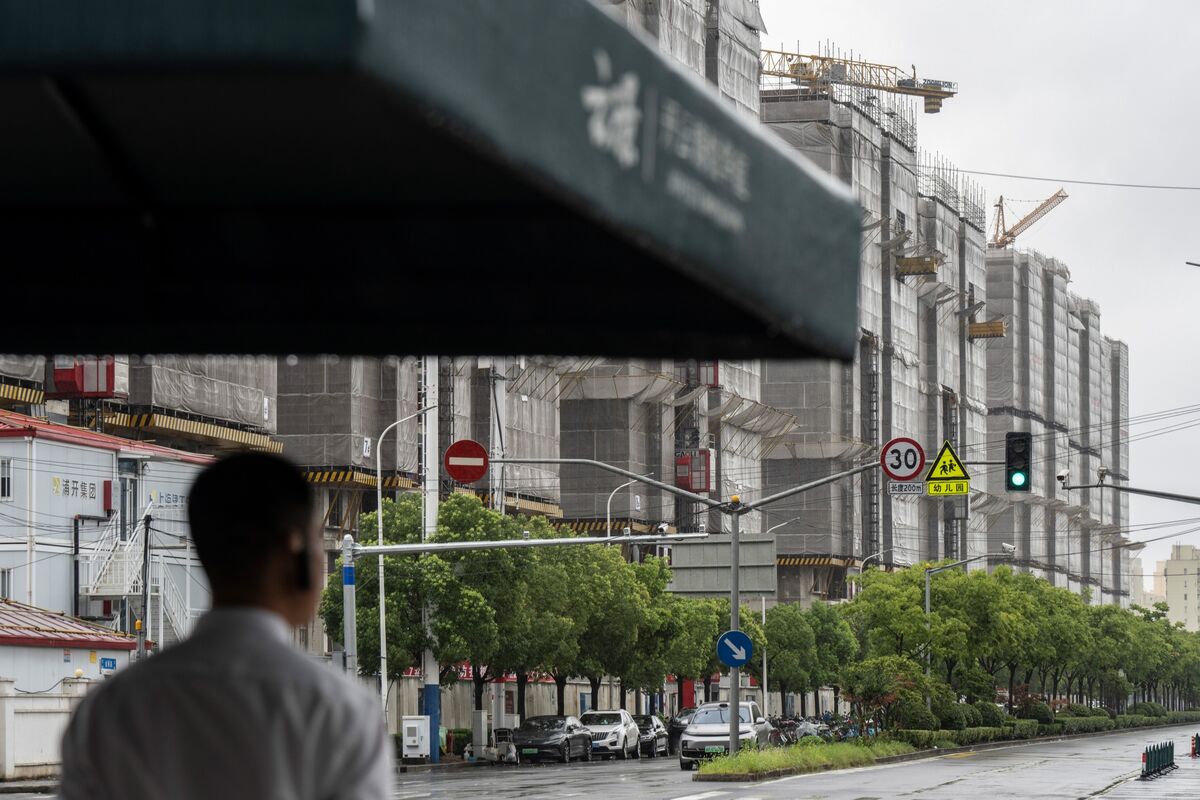
China's home sales extended their six-month slump in August, with new home sales from the 100 largest property companies falling 17.6% year-over-year to 207 billion yuan ($29 billion), following a 24% decline in July. This persistent downturn, despite ongoing price declines and recent stimulus measures in major cities, underscores continued weakness in the property sector and poses a significant challenge to China's economic stability.
China's property sector continues to exhibit significant weakness, with the value of new home sales from the 100 largest real estate firms contracting 17.6% year-over-year in August to 207 billion yuan ($29 billion). This marks the sixth consecutive month of falling sales and, while a slight moderation from the 24% slump in July, confirms a persistent downturn. Critically, this decline occurred despite the implementation of stimulus measures in the country's two largest cities and an ongoing drop in home prices. The inability of these initial policy responses to reverse the negative momentum underscores the depth of the market's fragility and weak consumer confidence, posing a considerable headwind to China's broader economic stability.
AI-powered research, real-time alerts, and portfolio analytics for institutional investors.
Request DemoOverall Sentiment
strongly negative
Sentiment Score
-0.80
