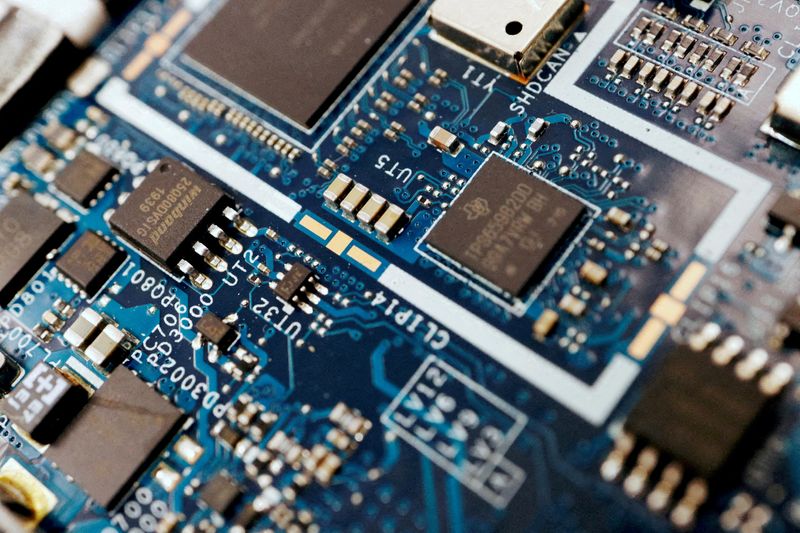
Memory chip makers are benefiting from AI-driven demand, with Micron saying DRAM prices rose more than 60% quarter over quarter and NAND flash prices increased more than 80% in the quarter ended May 28. Tight HBM supply, limited manufacturing capacity, and several years of lead time for new production are keeping pricing elevated and boosting profits for Micron, SK Hynix, and Samsung. Higher memory costs are also filtering through to AI developers, cloud providers, and consumer tech pricing, with Apple already raising prices on some MacBook and iPad models.
The most important second-order effect is that AI capex inflation is shifting bargaining power from hyperscalers to upstream semiconductor suppliers. Memory is a classic bottleneck market: when supply is inelastic and lead times are multi-year, a pricing spike tends to persist longer than consensus expects, which means gross margin expansion for the suppliers can outlast the next quarterly earnings cycle. That creates a cleaner earnings revision setup in MU and the Korea/Taiwan memory complex than in the broader AI software stack, where higher input costs are more likely to compress ROI assumptions.
For the megacaps, this is less about near-term demand destruction and more about delayed monetization. MSFT, AMZN, GOOGL, and META can likely absorb another leg of component inflation for several quarters, but the hidden risk is that every incremental dollar of AI infrastructure spend now needs a higher revenue hurdle to justify it. If memory prices stay elevated into the next 2-3 quarters, market scrutiny should shift from “how much are they investing?” to “what is the marginal return on each AI server deployed?”, which can compress multiple expansion even if topline remains intact.
The contrarian view is that investors may be underestimating the duration of the squeeze because new capacity takes years, not months. The real setup is not a quick spike-and-revert but a prolonged re-rating of upstream semiconductor economics, with downstream firms forced either to defer deployments or eat margin pressure. In the near term, any sign of inventory normalization or weaker cloud ordering would be a sharp negative catalyst for MU, but absent that, the path of least resistance is still higher for memory pricing and supplier earnings revisions.
AI-powered research, real-time alerts, and portfolio analytics for institutional investors.
Request DemoOverall Sentiment
mildly positive
Sentiment Score
0.35
Ticker Sentiment
