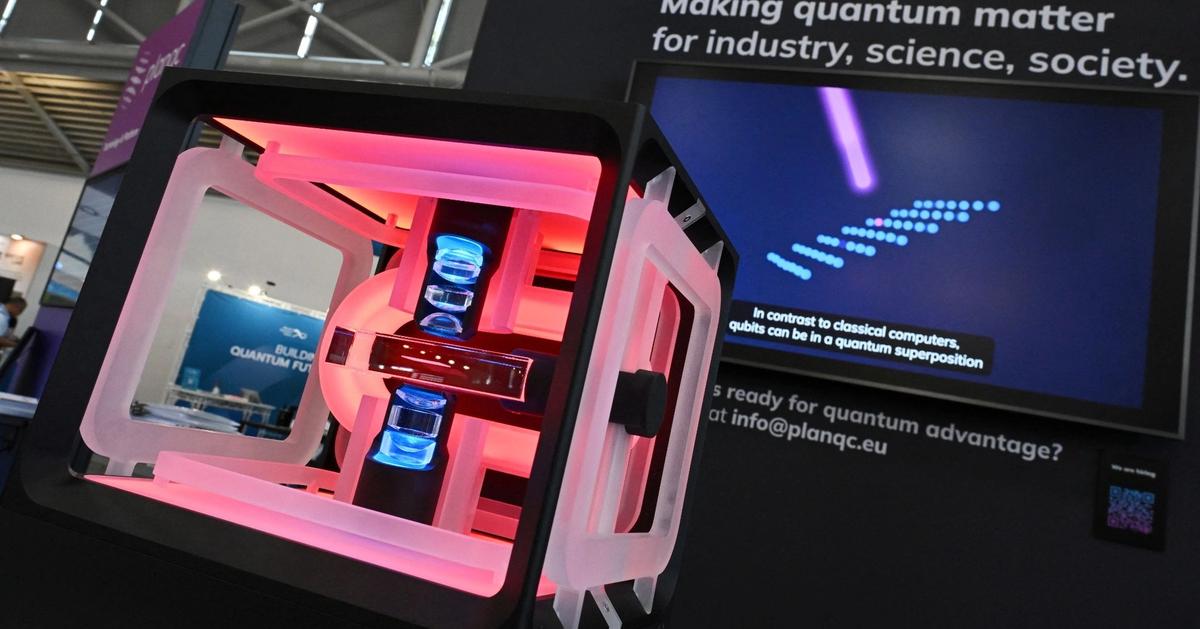
Expect 2026 to be a deal-heavy year for tech with more traditional acquisitions, IPOs and SPAC activity as regulatory pressure eases; the piece flags concrete policy moves including an anticipated executive order to accelerate quantum-computing supply chains. It highlights near-term market frictions — notably an AI-driven memory shortage that will pressure prices and supply chains — while noting geopolitical actions (the US took a 10% stake in Intel and limited some Nvidia sales to China) and persistent capital flows into AI; data-center design and autonomous-driving safety are identified as operational and reputational risks rather than triggers for a systemic tech downturn.
Market structure: Winners are domestic semiconductor & infrastructure plays (INTC, MU, DLR) that benefit from US policy support and reshoring; losers include China-exposed revenue streams (NVDA sales to China constrained) and mobility platforms sensitive to autonomous-driving incidents (UBER). Expect pricing power to shift toward memory suppliers as AI demand lifts DRAM/NAND prices 10–30% over 6–12 months and to capital expenditure growth for hyperscalers, but higher energy costs will compress margins for legacy cloud clients.
Risk assessment: Tail risks include a hard regulatory clampdown on AI or an AV fatality causing litigation/regulatory freezes — assign 5–15% probability over 12 months; supply-chain shock in memory fabs could spike prices >40% in 3–9 months. Hidden dependencies: data-center build delays depend on municipal permitting and grid upgrades; watch AES/power utilities and municipal bond issuance for bottlenecks. Key catalysts: a Trump executive order on quantum (next 30–90 days), quarterly guidance on China revenues (NVDA next earnings), and major M&A announcements concentrated in H1–H2 2026.
Trade implications: Tactical long bias to domestically favored semis and select cloud infra (establish 1.5–3% longs in INTC and MU, 3–4% in DLR REIT) while hedging market-concentration risk with 3–6 month NVDA puts (buy 1–2% notional, strike ~10–20% OTM). Pair trades: long INTC / short NVDA to express policy-driven share rotation; short UBER (1–2%) as a tail-risk trade against AV headlines. Time entries 30–90 days to front-run M&A and policy clarity; tighten stops at 15–20%.
Contrarian angles: Consensus underestimates how quickly memory shortages can boost smaller fabs; a 20–40% price move in DRAM would re-rate MU and Asian suppliers despite short-term noise. Conversely, NVDA downside may be overplayed if secondary sales and enterprise demand offset China cuts — avoid oversized outright shorts; prefer option structures to monetize asymmetric risk. Historical parallel: 2017–18 GPU demand surge shows structural re-rating can be fast and durable if capacity lags for >12 months.
AI-powered research, real-time alerts, and portfolio analytics for institutional investors.
Request DemoOverall Sentiment
moderately positive
Sentiment Score
0.45
Ticker Sentiment
