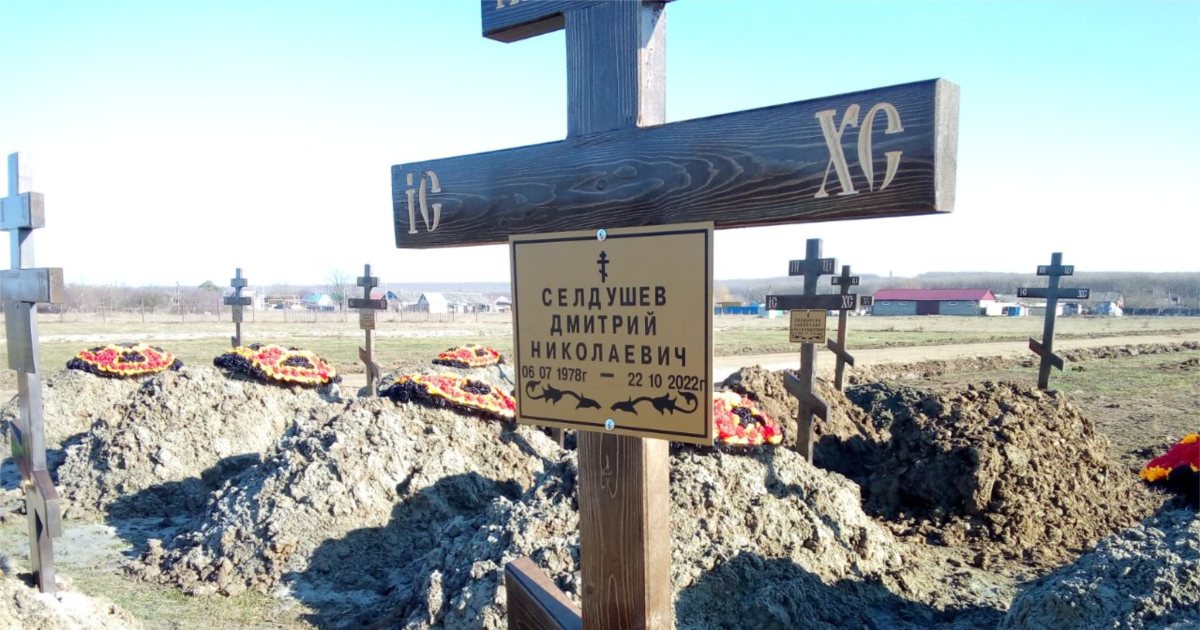
CSIS projects the human and economic toll of Russia’s war in Ukraine remains severe: overall casualties could reach 2 million by spring, with roughly 1.2 million Russian forces killed, wounded, or missing and an estimated 275,000–325,000 Russian dead since February 2022; Ukrainian fatalities are estimated at 100,000–140,000. Militarily, Russian advances have been minimal (gaining <1.5% of Ukrainian territory since 2024) while economically Russia is described as sliding to a second- or third-tier power—shrinking manufacturing, limited FDI, closed access to markets, and lagging badly in AI and high-tech—which implies persistent sanctions-related frictions, ongoing regional fiscal strain, and a prolonged risk-off environment for investors exposed to Russian assets and energy/technology supply chains.
Market structure: Prolonged high Russian casualties and shrinking Russian productivity imply iterative defense spending increases in NATO/EU and sustained Western sanctions that keep Russian capital and tech markets isolated. Short-term commodity tightness (oil/gas/grains) will be episodic — expect oil shocks on escalations and seasonal gas squeezes in Europe, supporting energy and defense primes (LMT, RTX, GD) while Russian equities/FX and EU gas-dependent utilities (E.ON, RWE) remain structurally weaker. Risk assessment: Tail risks include a major escalation (limited conventional to wider regional war or unconventional strike) that would spike oil >$120/bbl and safe-haven flows into USD/Treasuries, or a surprise ceasefire that compresses defense multiples by 20–40%. Immediate (days) risks are volatility spikes; short-term (weeks–months) are order announcements and sanctions rounds; long-term (years) are Russia’s tech decimation and demographic damage reducing export capacity. Hidden dependencies: China’s willingness to buy discounted Russian hydrocarbons and winter weather/European storage levels. Trade implications: Tactical trades favor 3–18 month longs in US defense primes and selective energy majors, paired with shorts in Russian exposure and EU gas-intensive utilities. Use directional options (six-month call spreads on defense, three-to-six month Brent call spreads) to cap downside while capturing convexity from escalations. Manage entry around catalysts: NATO procurement announcements, major offensives (spring), and EU gas flow curtailments. Contrarian angles: Consensus may over-assign permanent upward oil trajectory; a mild Northern Hemisphere winter or increased Chinese buyback of Russian oil at discounts could cap prices and retrench energy majors ~15–25%. Defense stocks’ multiples already price some secular upside — if a credible ceasefire emerges within 6–12 months, expect 20–30% multiple contraction. Look for mispricings in European defense-industrial vendors and dual-use tech names that underreact to re-shoring capex.
AI-powered research, real-time alerts, and portfolio analytics for institutional investors.
Request DemoOverall Sentiment
strongly negative
Sentiment Score
-0.60
