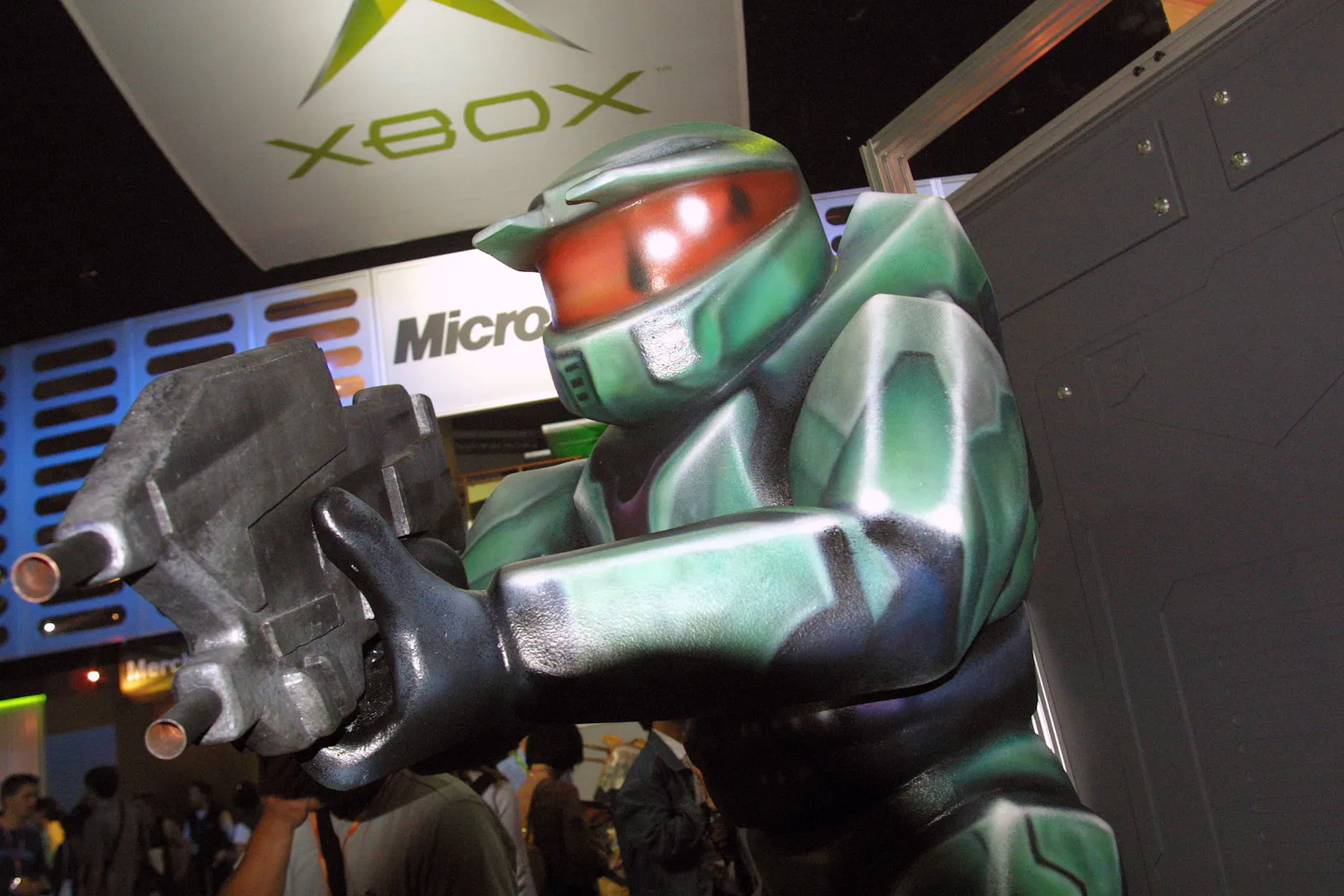
Xbox is overhauling its leadership team by adding four executives from Microsoft’s CoreAI group and appointing former Instacart growth executive David Schloss to run subscriptions and cloud. The move comes after Microsoft reported Xbox console sales fell 33% year over year and forecast additional declines for Game Pass and consoles in the current quarter. The article points to operational restructuring amid weakening fundamentals rather than a clear near-term turnaround.
This is less about one gaming org shuffle and more about Microsoft admitting the current Xbox model is structurally under-optimized: weak execution, slower product cadence, and a business mix that is too exposed to mature hardware and sticky but slowing subscriptions. Bringing in growth and AI operators suggests a pivot from content-first thinking toward funnel optimization, personalization, and monetization engineering — which can improve conversion and ARPU over 2-4 quarters, but won’t change console unit trends in the next 1-2 quarters.
The key second-order effect is that Xbox is becoming a proving ground for Microsoft’s consumer AI stack. If Sharma can translate CoreAI talent into better discovery, retention, and cloud monetization, the strategic upside is not in consoles but in attaching more high-margin software revenue to an installed base that is already de-emphasized on the hardware side. The downside is organizational churn: leadership imports often create a 3-6 month integration drag before any operating leverage appears, and that timing matters because guidance is already soft.
For competitors, a weaker Xbox is most relevant in the ecosystem, not the console race. Sony benefits at the margin if Microsoft continues to signal less urgency around hardware differentiation, while cloud gaming and subscription adjacencies could come under pressure if engagement softens faster than Microsoft can repackage the offering. The broader read-through is that management is trying to engineer a floor, not reaccelerate growth; that usually limits near-term downside for the stock but lowers the probability of a positive surprise in the next earnings cycle.
Consensus may be underestimating how much of this is defensive rather than transformative. The market often rewards AI-related leadership changes, but here the more likely outcome is incremental efficiency and a slower rate of decline rather than a true re-acceleration. That makes the setup attractive for relative-value expressions: upside is capped unless Microsoft can show retention and monetization metrics inflect within 1-2 quarters, while the risk is a series of small disappointments that keep sentiment heavy without forcing a large rerating.
AI-powered research, real-time alerts, and portfolio analytics for institutional investors.
Request DemoOverall Sentiment
mildly negative
Sentiment Score
-0.35
Ticker Sentiment
