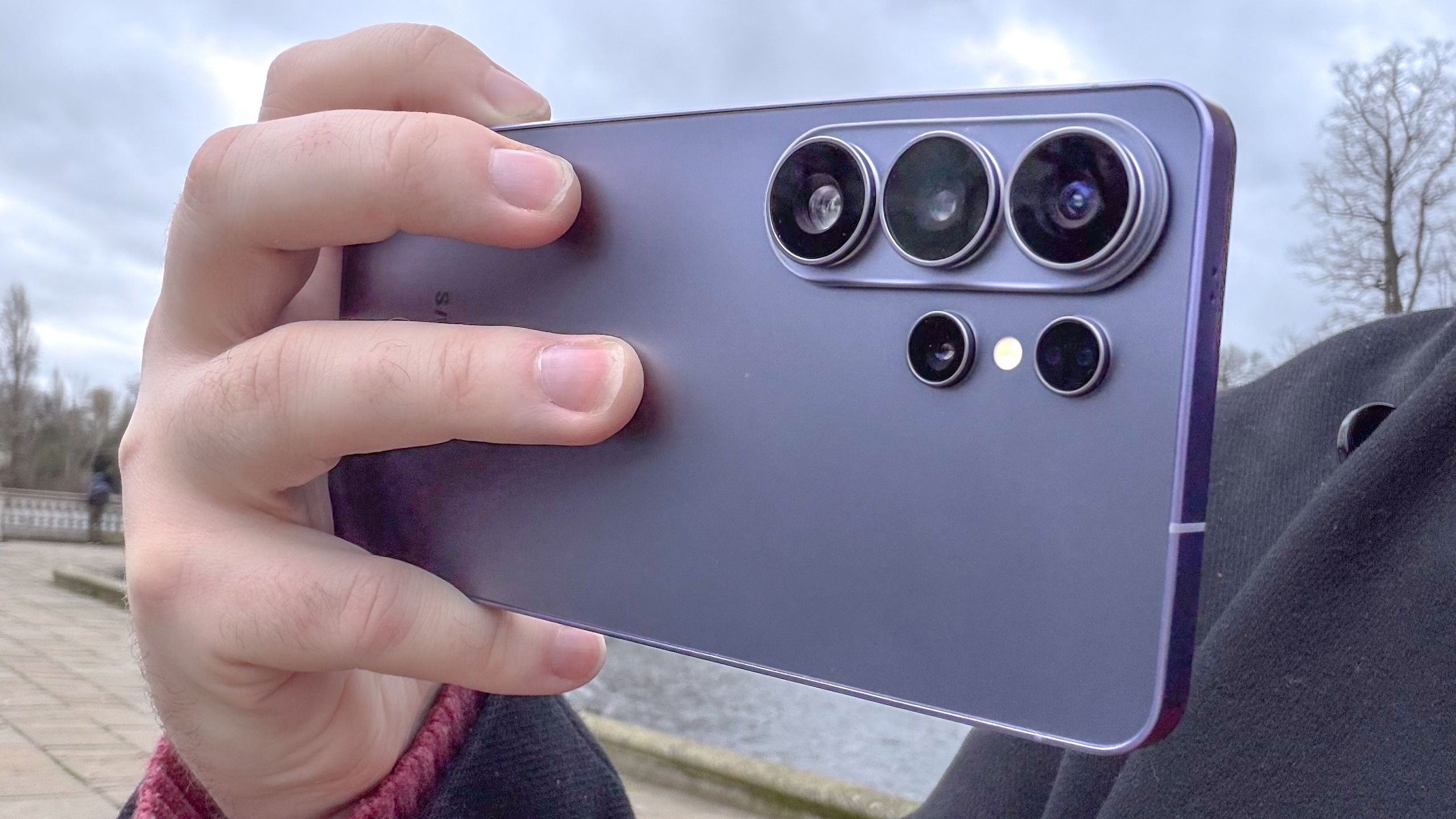
Tom’s Guide reports that the Samsung Galaxy S26 Ultra, iPhone 17 Pro Max, and Google Pixel 10 Pro can all melt black trash bags when their flashlights are left on at maximum brightness, with the S26 Ultra heating the fastest. The article frames this as a consumer safety reminder rather than a product defect, noting black plastic is more susceptible than white and that flashlight intensity can be reduced on iOS 18 and Android 16. The piece is largely anecdotal and unlikely to have meaningful market impact.
This is not a handset quality story; it is a thermal-design and software-default story that can quietly affect accessory attach rates, warranty costs, and brand perception. The second-order implication is that premium phone vendors are converging on similar peak flashlight output, so differentiation shifts from raw brightness to heat management, UI friction, and how often users accidentally leave high-draw features enabled. That favors companies with tighter system-level power governance and more disciplined human-interface design, while exposing any OEM whose skin temps or enclosure materials create viral failure modes.
The market-relevant angle is reputational, not demand destruction. A single viral clip rarely moves unit volumes, but it can increase support tickets, returns, and social-media noise around safety for a product category where consumers increasingly treat phones as multipurpose utilities. Over the next 1-3 months, watch for a spike in accessory makers, thermal-case vendors, and OEM software patches that reduce accidental flashlight activation or cap default brightness; those are the real monetization and mitigation vectors.
For GOOGL, the direct read-through is modest but positive on ecosystem stickiness if Android controls are perceived as more configurable or safer than iOS defaults. The contrarian view is that this is overinterpreted as a hardware issue when the real edge is in OS-level power management, where Google can quietly improve lockscreen shortcuts, haptics, and power ceilings without a flagship-cycle refresh. If this theme persists, the winners are the platforms that can solve a mundane safety issue with software, not the brands whose hardware looks brightest in a lab test.
The main risk is that the story fades quickly unless a broader pattern of thermal complaints emerges across devices and use cases. A second-order tail risk is regulatory: repeated consumer-safety anecdotes can invite scrutiny of battery and enclosure materials, especially if there are documented burn incidents. That said, the timeline for any financial impact is weeks to months, not days, and the most likely outcome is incremental UI changes plus a small bump in accessory and case demand.
AI-powered research, real-time alerts, and portfolio analytics for institutional investors.
Request DemoOverall Sentiment
neutral
Sentiment Score
0.05
Ticker Sentiment
