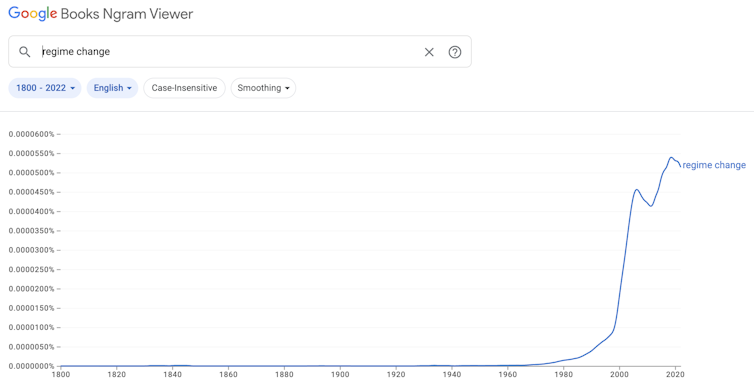
A U.S. operation on Jan. 3 removed Venezuelan President Nicolás Maduro and resulted in his transfer to a Brooklyn jail, but the piece argues this leadership removal does not equate to externally driven "regime change," which involves remaking institutions and governance. Citing the Iraq experience, the author warns that true regime change would trigger contested reorganization of power and likely prolonged instability, signaling continued political risk for investors with exposure to Venezuela or the region despite the personnel change.
Market structure: A sudden push to remove Venezuela’s leadership is an oil-supply shock candidate — near-term winners are global oil producers and energy equities (XOM, CVX, XLE) and safe havens (GLD, TLT); losers are Venezuelan sovereign bondholders, regional banks and EM FX (COP, CLP) via capital flight. Pricing power shifts to producers for weeks–months if exports from PDVSA collapse or buyers are sanctioned; freight/insurance for Caribbean crude will spike and raise all-in breakevens by an estimated $5–$20/bl on disrupted barrels. Risk assessment: Tail risks include an armed escalation or expanded sanctions that truncate exports for 6–24 months (oil +$20–$40/bl), or conversely rapid normalization if outside actors restore exports within 6–12 months (oil -$10–$25). Immediate (days) risk = volatility in oil, EM FX and sovereign CDS; short-term (weeks–months) = capital flight from LatAm equities/banks; long-term (quarters–years) = structural political realignment that could either deter or invite foreign investment in hydrocarbons. Hidden dependencies: Russia/China/India buying patterns, shipping insurance and reflagging of tankers, and remapping of Venezuelan crude grades into refinery supply chains. Trade implications: Tactical plays should be short-duration and size-constrained: favor oil/upstream exposure and USD/treasury safe-haven, hedge EM beta and avoid outright long EM sovereigns. Use options to cap downside — volatility will spike then mean-revert. Pair trades (long energy, short EM) capture divergence while capping tail risk through spreads. Contrarian angles: The market’s reflexive oil-buy may be overdone if regime replacement restores exports within 6–18 months — that scenario would punish long-only oil positions. Historical parallels: sanctions cycles on Iran show spikes then retracement once buyers adapt; unintended consequences include regional banking stress and migration-driven fiscal burdens that could amplify sovereign defaults beyond Venezuela.
AI-powered research, real-time alerts, and portfolio analytics for institutional investors.
Request DemoOverall Sentiment
mildly negative
Sentiment Score
-0.25
