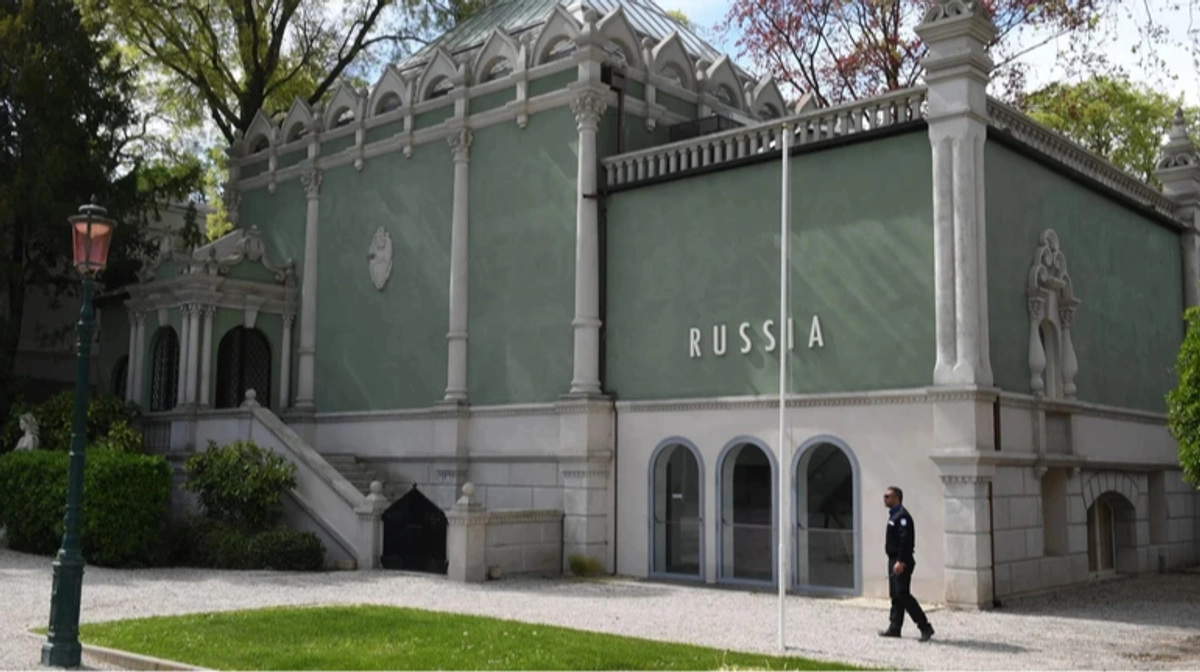
Latvia said it will boycott the Venice Biennale if Russia participates, while the EU is warning it may cut up to €2 million in funding over the Russian pavilion. The European Commission has given the Biennale 30 days to resolve the issue, and multiple governments, including Finland and Ukraine, have objected to Russia's return. The dispute is primarily geopolitical and reputational, with limited direct market impact beyond EU cultural funding and governance pressure.
This is less about an art event and more about the EU demonstrating that cultural platforms are now part of the broader sanctions and legitimacy toolkit. The immediate loser is the Biennale’s funding base and governance credibility: once Brussels conditions grants on participant eligibility, every publicly funded cultural institution in Europe faces a higher compliance bar and a more politicized board process. The second-order effect is that organizers will likely self-censor or pre-clear politically sensitive participants to avoid funding risk, which should tighten the ecosystem for institutions reliant on EU, municipal, or ministry support.
The market implication is reputational rather than direct revenue, but the signaling matters for entities exposed to European public funding, cultural sponsorship, and soft-power channels. Russia’s re-entry, if sustained, creates a template for adversarial-state “normalization” battles across sports, academia, and media festivals; that broadens the scope of future deplatforming disputes and increases legal/administrative costs for event organizers. Over the next 1-3 months, the key catalyst is whether the Commission actually withholds the €2m and whether additional member states join the boycott, which would turn this from symbolism into a real financing haircut.
The contrarian angle is that the backlash may overstate the economic impact on the Biennale while underestimating the benefit to fringe and protest-adjacent cultural brands. In the near term, confrontation can increase attention and sponsorship value for alternative events, dissident artists, and media outlets covering the dispute. The bigger medium-term risk is policy contagion: if the EU successfully uses funding leverage here, similar conditionality could be applied elsewhere, making public cultural capital structurally less reliable.
AI-powered research, real-time alerts, and portfolio analytics for institutional investors.
Request TrialOverall Sentiment
mildly negative
Sentiment Score
-0.35
