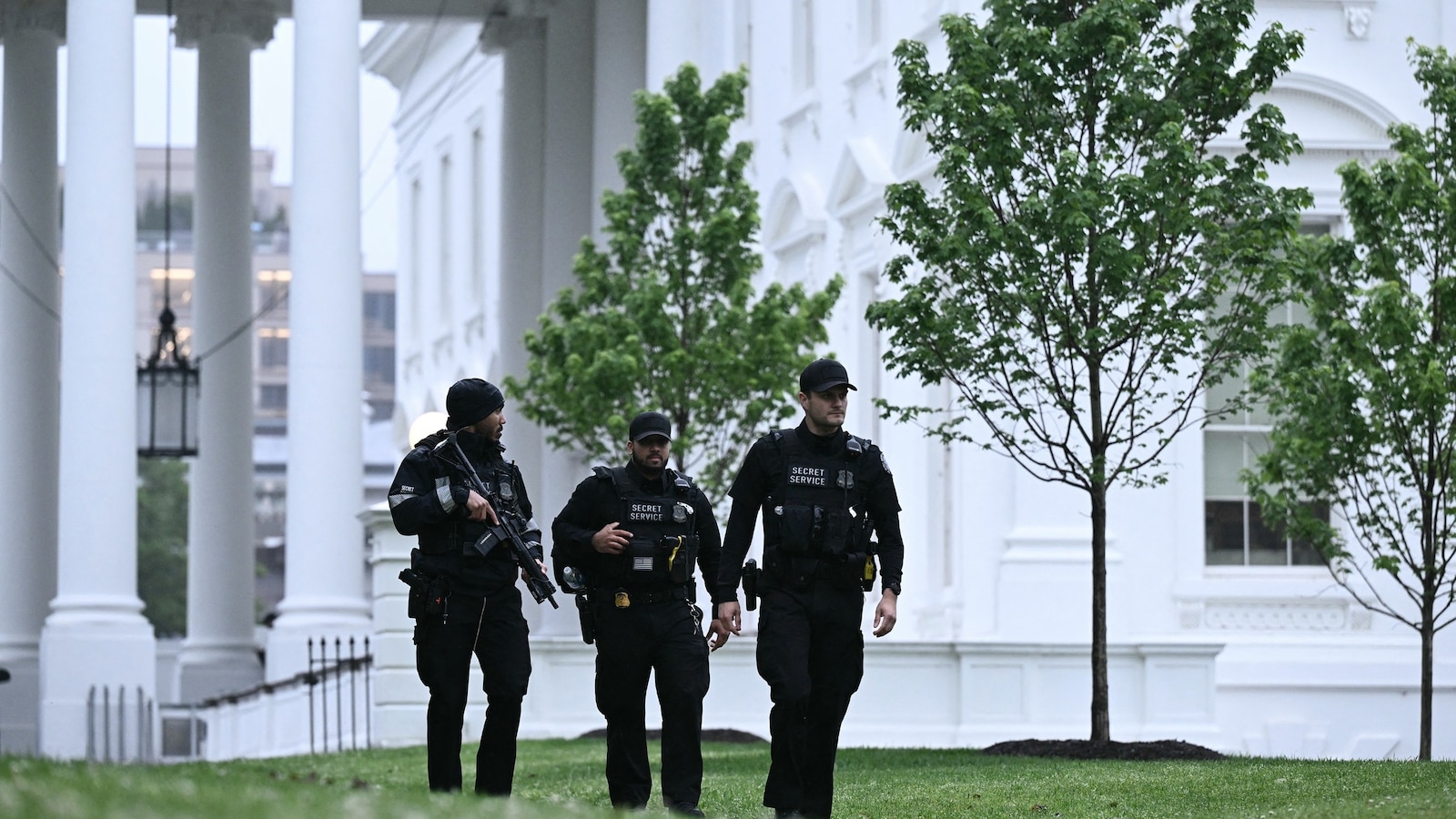
The DOJ filing ties a weekend White House shooting to its push to lift an injunction blocking above-ground construction of the White House ballroom, adding security justifications and new detail on planned defenses. The filing says the ballroom would include bullet-, ballistic-, and blast-proof materials, a drone-proof roof, and rooftop sniper positions, while the administration also highlighted donor funding and prior security-related budget requests. The article is primarily a legal and political update with limited direct market impact.
This is less about the underlying courtroom merits and more about the government effectively turning the case into a national-security stress test. The immediate marketable implication is not the ballroom itself, but the growing probability of a broader security-spending envelope around federal facilities, which tends to favor prime contractors with cleared, mission-critical capabilities and long-cycle installation work. The disclosure of design specifics also raises the odds of scope creep: once a project is framed as security infrastructure, cost estimates usually ratchet higher and timelines become harder to defend.
The second-order winner is the ecosystem that sells hardened glass, surveillance, access control, secure HVAC, and drone mitigation; these are incremental spend categories that often flow through subcontractors before reaching large primes. The loser set is the historic-preservation and general-construction constituency, because each escalation in threat rhetoric makes injunction relief politically harder and raises the reputational cost for judges to slow work. Over the next 1-3 months, the key catalyst is the appeals hearing: any stay extension or remand would likely encourage the administration to widen the security rationale, while a procedural win for challengers would force a reset and delay the security narrative’s monetization.
Consensus may be underestimating how much this supports defense-adjacent budget arguments outside the headline project. Even if this specific build remains partially blocked, the precedent of citing active threats to justify federal hardening can spill into Secret Service, DHS, and Capitol campus appropriations, which is bullish for contractors with indoor/outdoor secure-facility exposure. The contrarian risk is that the rhetoric becomes too overdrawn and politically toxic, triggering judicial skepticism and making the funding ask look like discretionary political theater rather than necessary protection; that would cap the upside in “security premium” trades and unwind quickly if the court narrows the record.
AI-powered research, real-time alerts, and portfolio analytics for institutional investors.
Request DemoOverall Sentiment
mildly negative
Sentiment Score
-0.15
