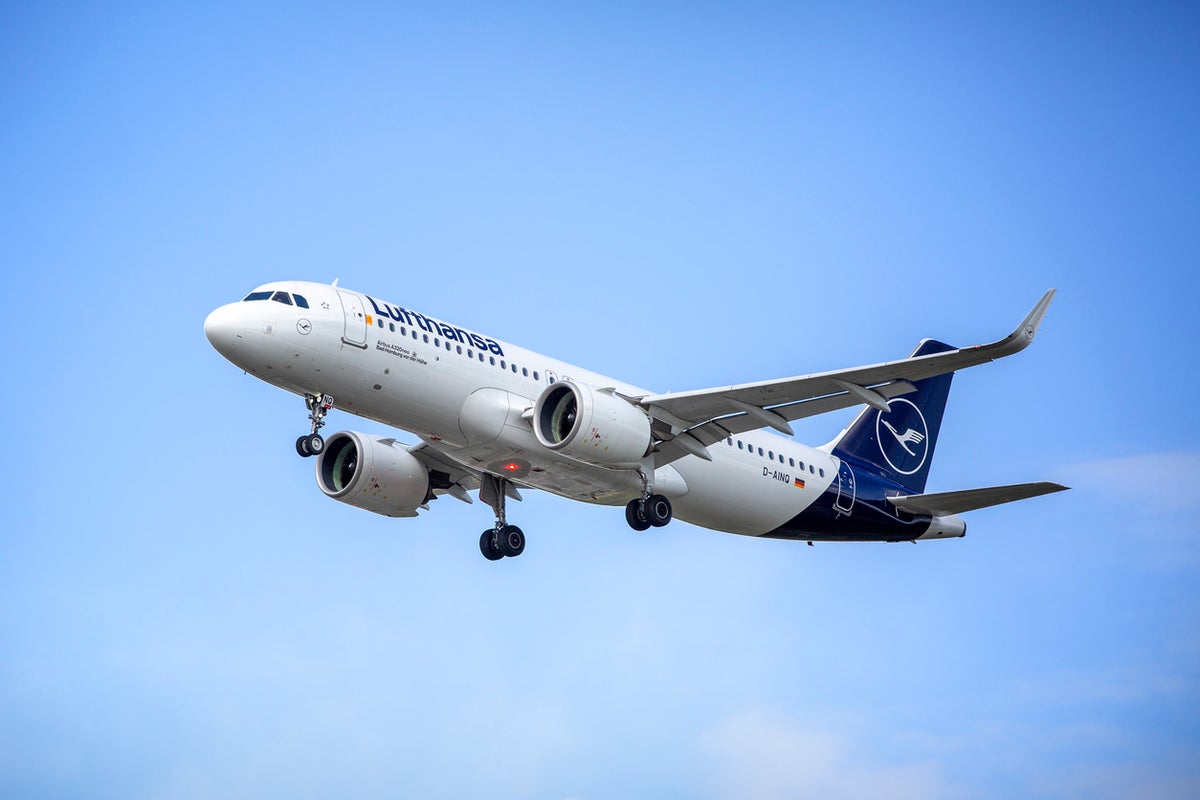
Lufthansa Group has cancelled 20,000 flights over the next six months to save 40,000 metric tonnes of jet fuel after fuel prices doubled, cutting group capacity by 1% in available seat kilometres this summer. The first 120 daily cancellations began on Monday, with some routes from Frankfurt to Poland and Norway temporarily removed from the schedule and 27 Lufthansa CityLine aircraft permanently taken out of operation. The move is a cost-control step amid elevated jet fuel prices and should pressure near-term revenue and network capacity, though the airline says summer fuel supply is expected to remain largely stable.
The immediate market read is not about Lufthansa alone, but about how quickly airline capacity gets re-priced when jet fuel spikes. Cutting marginal short-haul flying is a classic “protect the denominator” move: it preserves near-term cash flow, but it also signals that low-cost and regional connectivity is where pain shows up first, not on flagship long-haul routes. That usually pushes incremental demand onto competitors with stronger hub density or better fuel hedging, while regional operators and smaller feeders lose leverage in contract renegotiations.
The second-order effect is that this is a margin reset, not just a volume cut. If Lufthansa is willing to cancel flights now, peers with weaker balance sheets or less hedging discipline may be forced into heavier schedule reductions over the next 1-2 quarters, especially if fuel stays elevated into the summer peak. Watch airport and route mix: short-haul leisure and thin business routes are likely to be the first casualty, which can distort load factors upward even as total capacity falls, creating a misleadingly healthy headline environment for the strongest carriers.
The contrarian point is that the market may be underestimating the speed of supply normalization in jet fuel relative to crude headlines. Air carriers can hedge around the next few months, but they cannot hedge demand destruction if fares rise enough to offset fuel; that lag usually shows up after booking curves soften, not at the moment of cancellations. If oil retraces or crack spreads compress, airlines with aggressive capacity cuts could look overly defensive and lose share into the autumn schedule release.
From an investable angle, this favors a relative-value long in carriers with pricing power and diversified networks versus regional/low-cost exposure, rather than a blanket short airlines trade. The cleaner expression is to short the weakest balance-sheet, shortest-haul-exposed airline names on any rally, while looking for a tactical long in airport and aviation-services names that benefit from higher per-passenger pricing even if flight counts dip. The risk is that fuel supply stabilizes faster than expected and the market rewards the capacity discipline before it punishes the revenue loss.
AI-powered research, real-time alerts, and portfolio analytics for institutional investors.
Request TrialOverall Sentiment
mildly negative
Sentiment Score
-0.35
