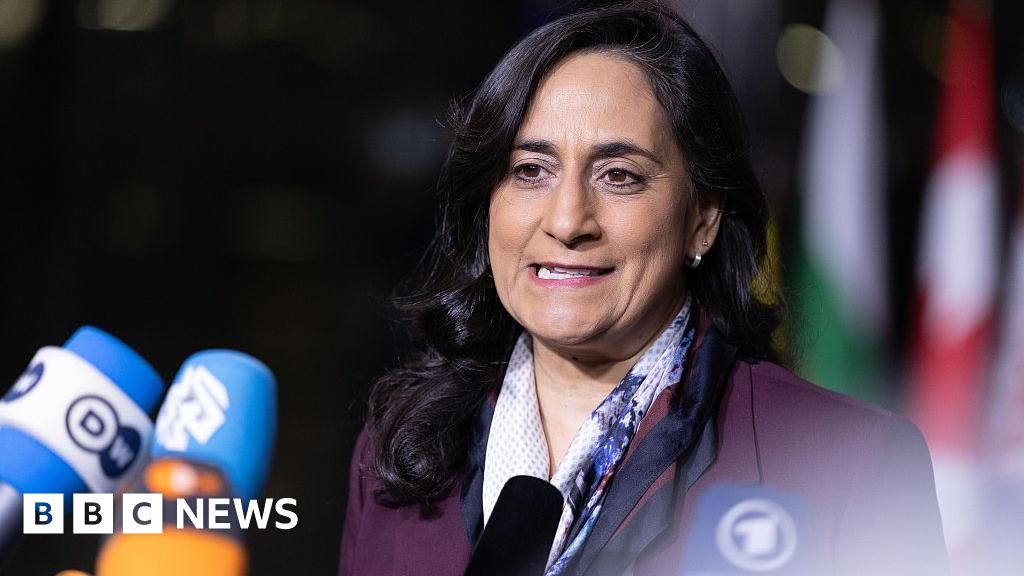
Six Canadian MPs and a 24-person delegation were denied entry to the occupied West Bank at the Allenby crossing after arriving from Jordan; Israel's ambassador cited the group's organiser, The Canadian-Muslim Vote, having links to Islamic Relief Worldwide, which Israel proscribes as a terrorist organisation — a claim the NGO and its Canadian affiliate deny. Ottawa formally lodged objections and Canadian civil-society groups called the move part of a broader pattern restricting independent observers; the incident underscores heightened Canada–Israel diplomatic tensions since Canada recognised a Palestinian state and is unlikely to have direct market impact but raises modest geopolitical and legal risk for bilateral relations and NGOs operating in the region.
Market structure: This diplomatic incident modestly increases demand for border-security, ISR and defense tech (wins: ESLT, LMT, RTX, PANW) while creating reputational/regulatory pressure on NGOs, charities and banks that move donor funds (losers: payment/fintech processors and certain Canadian banks). Pricing power shifts toward specialized defense and cybersecurity vendors; tourism and parliamentary civil-society travel providers see downside to revenues if access restrictions broaden. Cross-asset signal: risk-of-escalation uplifts gold and oil risk premia and drives safe-haven demand into USTs and USD in short windows (expect ±1-3% moves on headlines).
Risk assessment: Tail risk is low-probability but high-impact—regional escalation that lifts Brent/WTI >10% within 1–2 weeks would push equity volatility +30–50% and trigger commodity reflation trades. Immediate timeframe (days): headline-driven FX and gold knee-jerks; short-term (weeks–months): reputational/regulatory actions that raise compliance costs for banks and NGOs; long-term (quarters+): structural procurement increases for defense/tech vendors. Hidden dependency: fundraising/payments rails and audit clearances—if more NGOs are proscribed, banks face AML strain and contingent liabilities.
Trade implications: Tactical allocations should be small and event-driven: 1–2% portfolio exposures to defense/ISR names and 0.5–1% hedges in commodities/gold; use options to cap downside. Pair trades: long Elbit (ESLT) vs short small-cap Israel/Palestine tourism proxies; or long large-cap defense (LMT) vs short regional airlines if volatility spikes. Entry: act within 2 weeks on defense/ISR names; exit or re-assess after 3–6 months or on 10–20% price moves.
Contrarian angles: The market may overprice escalation—historical parallels (previous MP denials) produced only transitory moves, not sustained conflict-driven demand; defensives are already expensive—prefer mid-cap ISR-specialists with clearer bid pipelines (ESLT) to megacap defense. Unintended consequence: knee-jerk buying of gold/defense can create a shortable near-term pop; set disciplined stop-losses (12–15%) and escalation thresholds (WTI +3–5% triggers position scale-up).
AI-powered research, real-time alerts, and portfolio analytics for institutional investors.
Request DemoOverall Sentiment
neutral
Sentiment Score
-0.10
