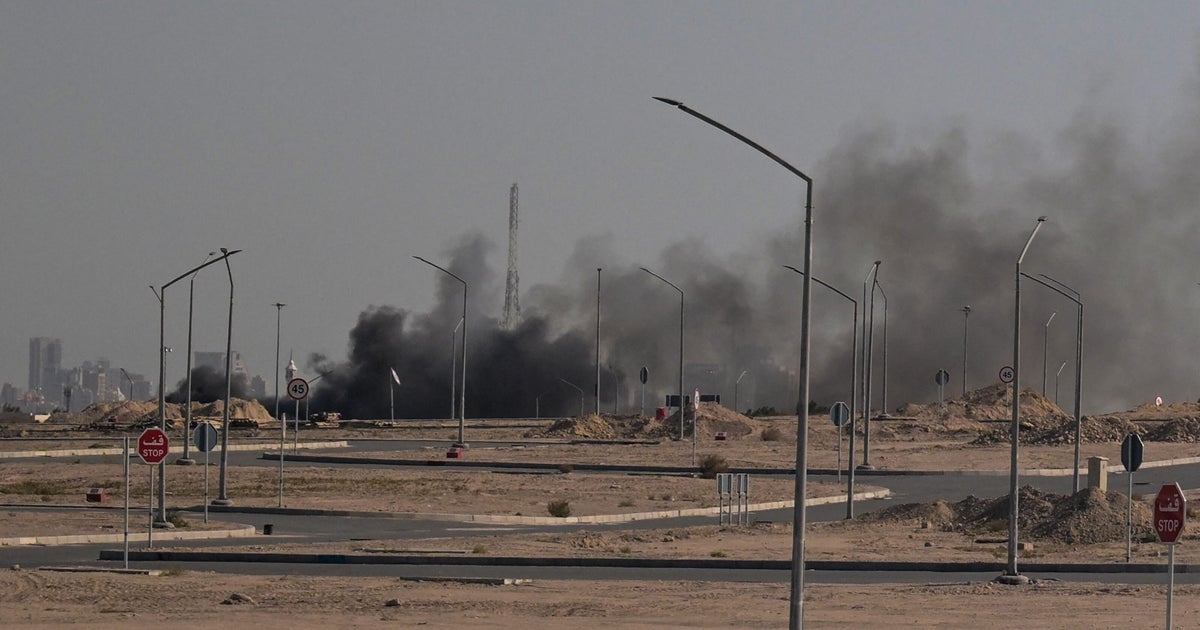
U.S.-Israeli strikes on Iran and subsequent Iranian missile and drone retaliation have escalated into a wider regional conflict, producing hundreds of casualties (Iran Red Crescent: 555 in Iran; at least 11 in Israel; three U.S. service members killed in Kuwait) and damaging military and civilian infrastructure. The attacks and counterstrikes have disrupted aviation and shipping (Jordan closed airspace; tens of thousands stranded), forced Aramco to shutter the Ras Tanura refinery, and hit tankers (MKD VYOM, ~59,463 metric tons cargo; one crew member killed), sending Brent futures up roughly 10% and U.S. crude to $72.64 (+8.2%) while airline stocks plunged and S&P 500 futures slid about 1.5%. The situation presents a pronounced risk-off shock to markets with sustained upside pressure on energy prices and material operational risk to logistics and regional supply chains.
Market structure: Immediate winners are energy producers and defense contractors while airlines, travel services, and Gulf-based logistics face acute revenue hits. Expect Brent and WTI to spike 8–15% in the first 1–4 weeks (already +~10% on day one), which shifts pricing power to majors (XOM, CVX, SHEL) and commodity exporters; airlines and integrators lose margin from fuel + cancelled routes, pressuring near-term cashflows.
Risk assessment: Tail risks include closure of the Strait of Hormuz or direct strikes on major refineries (Ras Tanura-like) — a low-probability event with very high impact (Brent >$120, global GDP shock). Timing: days = travel/airline revenue shock and volatility; weeks/months = energy re-pricing and defense spending repricing; quarters+ = potential normalization if chokepoints stay open. Hidden dependencies: insurance premiums, charter rates, and LNG/spot gas linkage can amplify energy price moves.
Trade implications: Tactical longs in oil/energy equities and ETFs, and defense names, short or put-protect airline exposure; use options to express convexity (3–9 month tenors). Cross-asset: expect USD and Treasuries to rally as risk-off — use 2–3% portfolio hedges (SPX puts, TLT) and volatility plays (VIX options) to protect drawdowns.
Contrarian angles: Consensus may overprice permanent energy scarcity — historical parallels (post-Gulf War, 2019 tanker attacks) show oil spikes often fade within 2–4 months absent sustained supply shocks. If Brent reverts below $75 within 60 days or no chokepoint closures occur, rotate back into beaten-down cyclicals and travel names; mispricings likely in high-quality industrials and European banks sold in panic.
AI-powered research, real-time alerts, and portfolio analytics for institutional investors.
Request TrialOverall Sentiment
strongly negative
Sentiment Score
-0.80
