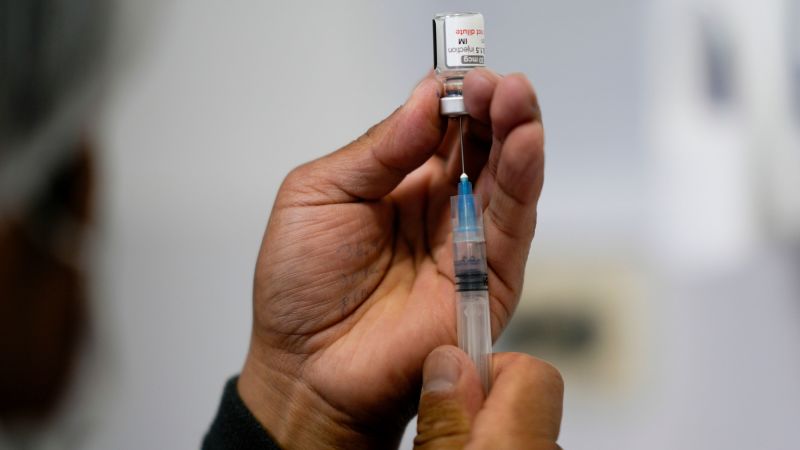
New research published in Nature by MD Anderson Cancer Center and the University of Florida reveals that COVID-19 mRNA vaccines (Pfizer, Moderna) may significantly boost immunotherapy efficacy for advanced lung and skin cancer patients. The study found patients receiving mRNA shots within 100 days of starting checkpoint inhibitor treatment exhibited substantially longer survival, with vaccinated lung cancer patients nearly doubling their three-year survival rates. This discovery suggests a novel application for mRNA technology in sensitizing immune-resistant tumors, potentially expanding its therapeutic scope beyond infectious diseases and paving the way for new cancer treatment strategies, warranting further rigorous investigation despite existing political skepticism regarding mRNA funding.
New research published in Nature indicates that COVID-19 mRNA vaccines from Pfizer and Moderna significantly enhance the efficacy of immunotherapy for advanced lung and skin cancer patients. Patients receiving these mRNA shots within 100 days of starting checkpoint inhibitor treatment demonstrated substantially longer survival, with vaccinated lung cancer patients nearly doubling their three-year survival rates compared to unvaccinated counterparts. This suggests a novel, unexpected therapeutic benefit for existing mRNA vaccine technology.
The underlying mechanism appears to involve the mRNA molecule sensitizing immune-resistant tumors, thereby improving the immune system's response to checkpoint inhibitors. This "off-the-shelf" application of existing mRNA vaccines offers a promising interim step while researchers design new, dedicated mRNA vaccines for cancer treatment. The findings underscore the versatile potential of mRNA technology beyond its established role in infectious disease prevention.
Despite political skepticism and funding cuts, the research team from MD Anderson and the University of Florida views these preliminary results as highly promising, prompting plans for more rigorous studies. This continued investment in mRNA research, particularly in oncology, positions companies like Pfizer and Moderna at the forefront of potential new therapeutic frontiers. The strong positive sentiment surrounding this discovery highlights its significance for the healthcare and biotech sectors.
AI-powered research, real-time alerts, and portfolio analytics for institutional investors.
Request DemoOverall Sentiment
strongly positive
Sentiment Score
0.75
Ticker Sentiment
