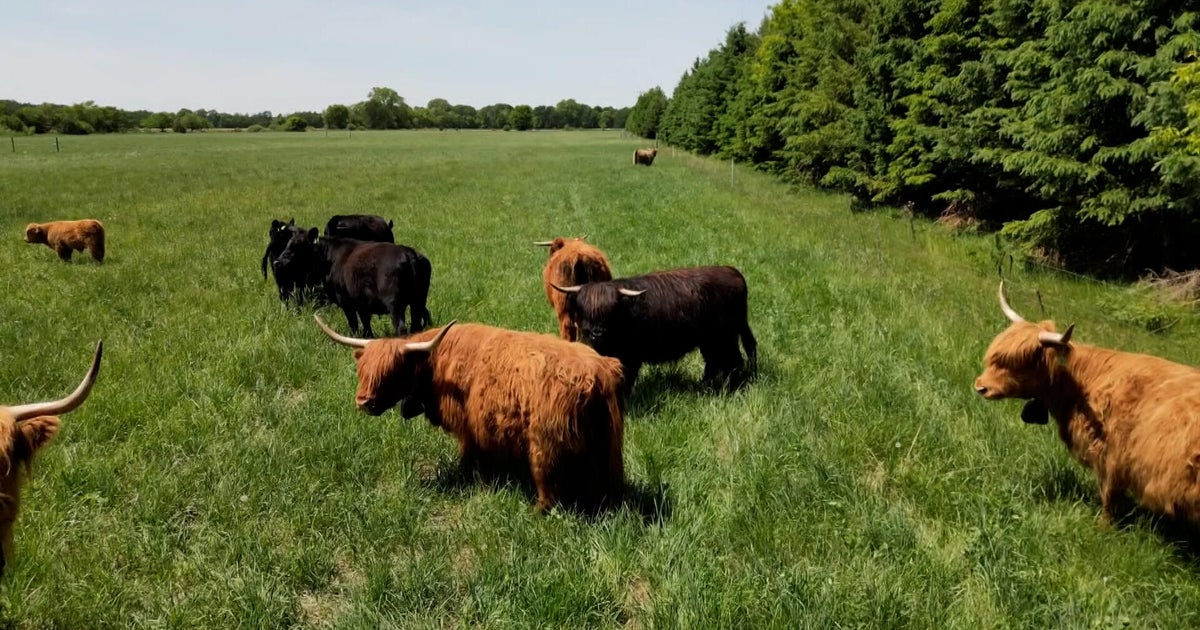
U.S. beef prices are at record highs, reflecting the smallest cattle herd in 75 years due to drought and high feed costs. Small Minnesota Highland cattle producers say customers are trading down from 35-pound packages priced around $450 to 10- to 15-pound purchases, pressuring sales volumes. Farms are responding by cutting overhead and using technology to lower labor costs.
The immediate loser is not the cattle producer so much as the downstream buyer with weak pricing power: regional butcheries, farm-direct freezer programs, and smaller local grocers selling premium beef into a household that is already trading down. When consumers can still afford beef but only in smaller increments, the mix shifts from bulk purchase to convenience purchase, which usually compresses unit economics for producers that built their labor model around larger order sizes. That creates a hidden margin squeeze: higher headline beef prices do not necessarily translate into higher realized revenue if order frequency falls faster than per-pound pricing rises.
The second-order effect is on supply elasticity. Smaller farms with leaner balance sheets may respond by delaying herd expansion, cutting advertising, or exiting direct-to-consumer channels, which tightens local supply even if national cattle prices eventually soften. Over 6-18 months that can create a bifurcated market: commodity cattle prices stay elevated while niche/local brands lose share to better-capitalized processors and distributors that can absorb smaller basket sizes and higher customer acquisition costs.
The catalyst to reverse this is not just rain; it is feed cost relief and a clear signal that household discretionary budgets have stabilized. If grain and hay inputs roll over for a full quarter while wage growth keeps up, producers can defend margins even if volumes remain choppy. But if consumer stress persists into the next grilling season, the risk is a demand step-down rather than a slow normalization: volume declines can hit direct-sales farms abruptly because they lack the channel diversification of larger protein companies.
Contrarian take: the market may be over-anchored on "high beef prices = producer win." For small operators, high prices can be demand-destructive and working-capital negative if inventory turns slow and customers downsize orders. The better trade is not long beef exposure broadly, but selectively long upstream input relief or distribution scale, and short the weakest consumer-facing food concepts with premium protein exposure and limited pricing flexibility.
AI-powered research, real-time alerts, and portfolio analytics for institutional investors.
Request DemoOverall Sentiment
mildly negative
Sentiment Score
-0.25
