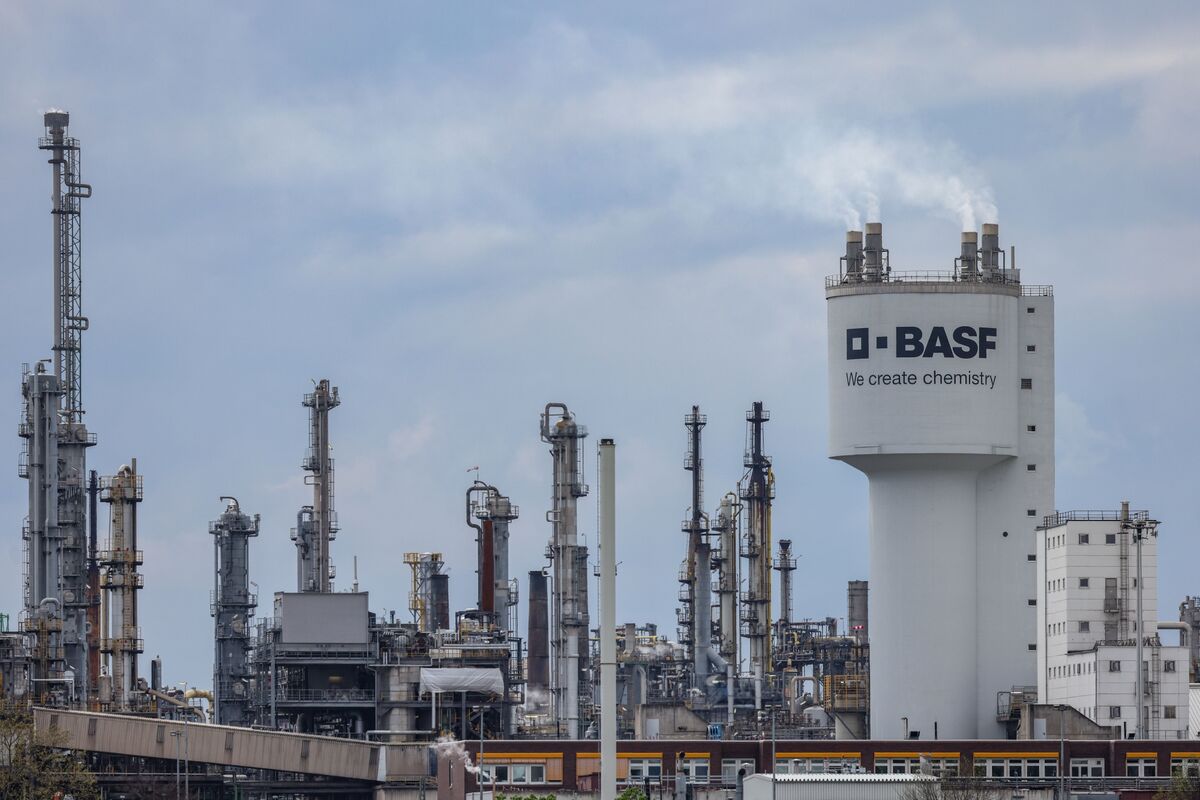
Banks have launched more than $2 billion of financing for BASF Coatings, including a $1.4 billion dollar term loan B and a €750 million euro term loan B to support its acquisition by Carlyle Group and Qatar Investment Authority. The deal highlights continued leverage financing activity in a difficult chemicals market backdrop. The news is relevant for the loan market and M&A financing, but it is more transactional than broadly market-moving.
This financing is a cleaner read-through for CG than the headline suggests: the sponsor is not just buying an asset, it is validating that middle-market carveouts can still clear leverage markets even in a softer industrial-credit tape. The key second-order effect is on spread compression in sponsor-backed secured paper: if this loan prints well, it may reset clearing levels for adjacent cyclical carveouts and reduce execution risk for other PE exits in chemicals and adjacent manufacturing over the next 1-2 quarters.
The bigger beneficiary may be the broader private-markets fundraising/execution story rather than the asset itself. A successful close would reinforce Carlyle’s ability to monetize industrial complexity where financial engineering plus operational separation can create returns even without immediate top-line acceleration; that can support a modest rerating over months, not days, if investors conclude CG is under-earning on realized exits. The flip side is that a weak syndication would signal lender fatigue with assets exposed to auto and industrial demand, which could widen spreads for sponsor LBOs and slow PE distribution velocity into year-end.
The contrarian angle: the market may be overfocusing on "chemicals weakness" and underestimating that coatings are a relatively sticky, recurring-demand subsegment tied to OEM production and aftermarket maintenance rather than commodity chemicals beta. If the deal prices tighter than feared, it may actually indicate that lenders are distinguishing between cyclically exposed assets and structurally impaired chemical names, which would be a positive for higher-quality industrial credit but not a broad green light for the sector. The main tail risk is not this asset failing; it is a broader repricing event in leveraged loans if risk-free rates back up or if auto production weakens into the next reporting cycle.
AI-powered research, real-time alerts, and portfolio analytics for institutional investors.
Request DemoOverall Sentiment
neutral
Sentiment Score
0.15
Ticker Sentiment
