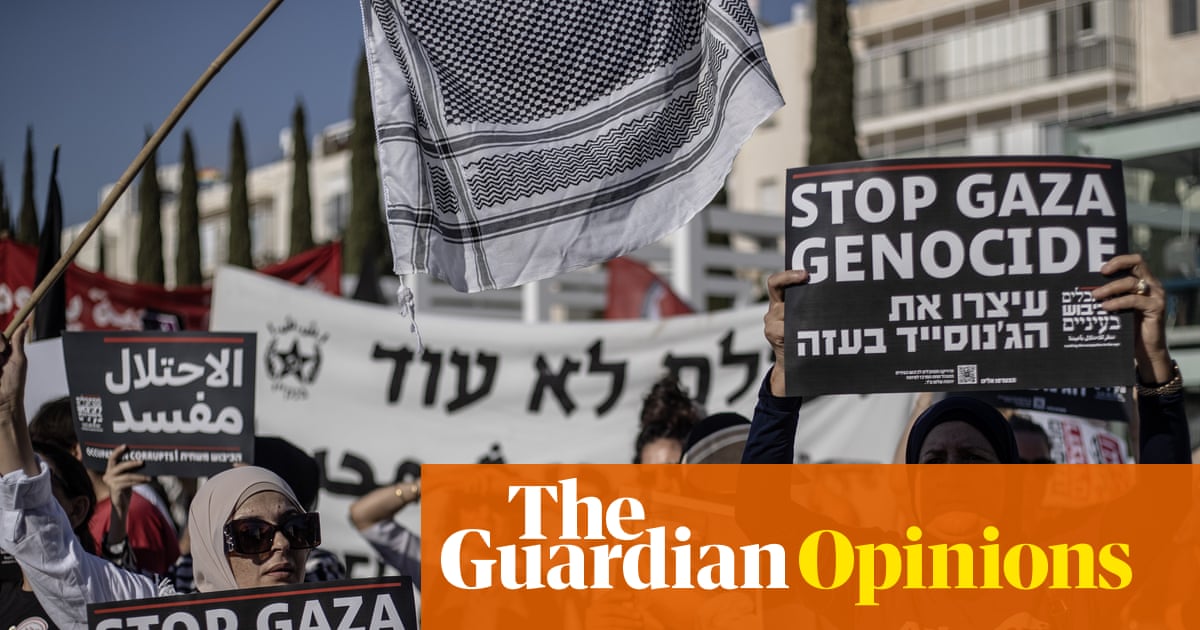
Amidst the IPC's declaration of famine in Gaza and expanded military operations, significant internal dissent is mounting in Israel, evidenced by thousands protesting in Tel Aviv and a growing 'refusal movement' among reservists. This opposition, driven by moral objections and concern for hostages, is gaining public support, with a recent poll indicating 33% of Jewish Israelis view refusal as justified. This increasing domestic pressure could challenge the government's ability to sustain its military campaign and signals a potential shift in internal political dynamics, impacting regional stability and investor outlook.
Israel's military campaign is intensifying, with plans to increase reserve forces to a peak of 130,000, but this escalation is met with significant and growing domestic dissent. Large-scale protests in Tel Aviv and an expanding military service "refusal movement" signal a potential erosion of the national consensus required to sustain a prolonged conflict. This internal friction is underscored by a Haaretz poll indicating that a notable 33% of Jewish Israelis now believe draft refusal is justified to secure the release of hostages. The dissent is driven by a mix of moral objections, particularly following the Integrated Food Security Phase Classification's (IPC) declaration of famine in Gaza, and political opposition to the government's strategy. While the article reflects an "extremely negative" sentiment and raises the specter of international sanctions, the associated market impact score is low (0.25). This suggests that while internal political stability is under pressure, potentially complicating the government's long-term capacity, markets may have already priced in a high degree of regional geopolitical risk.
AI-powered research, real-time alerts, and portfolio analytics for institutional investors.
Overall Sentiment
extremely negative
Sentiment Score
-0.85
