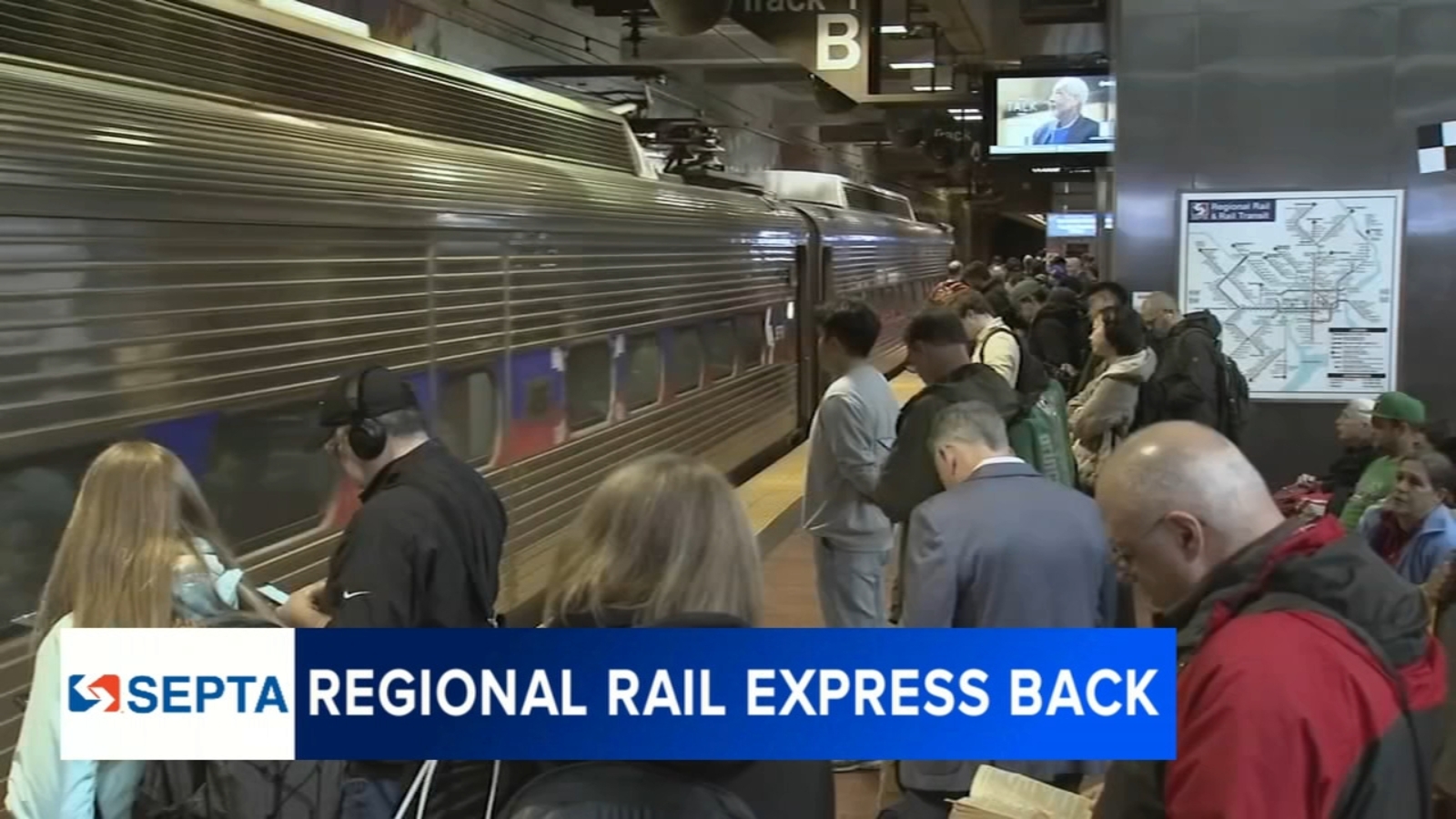
SEPTA reopened the Center City T‑trolley tunnel at 5 a.m. Monday and restored the Regional Rail morning express from the suburbs to Center City after closures tied to a failed upgrade and emergency repairs that began in mid‑November. The agency is gradually returning Silverliner IV cars to service following federally mandated inspections after several fires; officials cautioned there will be overnight tunnel closures through February for additional repairs, easing commuter disruption but leaving some near‑term operational risk.
Market structure: The immediate winners are rail-equipment suppliers and engineering/construction contractors that can service urgent repairs (e.g., Wabtec WAB, Jacobs J, AECOM ACM) because emergency work and federally mandated inspections create near-term demand spikes and favorable pricing power for skilled contractors. Losers are marginal mobility providers (ride‑hailing like LYFT, UBER) for short windows of disrupted commutes and cash‑stretched transit authorities that may push higher fares or defer other projects. Cross‑asset: expect localized pressure on Philly muni spreads if service problems persist (>3 months), while national muni ETFs (MUB) should outperform corporates if risk‑off hits city budgets temporarily. Risk assessment: Tail risks include a broader NTSB-driven grounding/inspection order across multiple transit systems, triggering multi-month service outages and fiscal aid needs (high impact, low prob). Time horizons split: immediate (days) relief from reopened lines; short‑term (weeks–3 months) higher contractor revenues and parts demand; long‑term (1–3 years) potential capex programs and fare/political pushback altering ridership patterns. Hidden dependencies: supplier capacity constraints (lead times for rolling stock parts) could amplify pricing; federal funding announcements or grants are key catalysts within 30–90 days. Trade implications: Tactical long exposure to J and ACM (1–2% each) to capture a 12‑month +15–25% upside from municipal capex; prefer covered-call or call‑spread structures to cap downside (stop‑loss 8–10%). Buy a directional play on WAB via a 3–6 month call spread sized 0.5–1% for parts/retrofit upside. Overweight MUB by +3% vs core bond allocation for 3–12 months if Philadelphia spreads widen >25bp; consider a pair trade long ACM / short LYFT (0.5–1%) for 3–6 months to express contractors vs marginal mobility demand. Contrarian angles: Markets may underprice a multi‑agency inspection cycle — this could generate 12–24 month revenue visibility for suppliers beyond one city, favoring mid‑cap engineering names with backlog (J, ACM) over large diversified builders. The knee‑jerk view that transit ridership is permanently impaired is likely overstated; service restorations typically recover 60–80% of lost trips within 3–6 months historically, supporting the capex narrative. Watch for unintended consequences: prolonged night closures or cost overruns could force municipal rate increases or slow other projects — exit longs if billings miss consensus by >10% next two quarters.
AI-powered research, real-time alerts, and portfolio analytics for institutional investors.
Request DemoOverall Sentiment
neutral
Sentiment Score
0.00
